The shift to native onchain billing
Traditional off-chain payment processors were never built for autonomous software. They rely on static credit cards, recurring bank drafts, or manual approvals that assume a human operator is available to verify transactions. For AI agents operating at scale, this friction is fatal. An agent cannot pause its workflow to enter a CVV number, and it cannot wait for a three-day bank settlement to verify service delivery. This mismatch between legacy billing cycles and onchain execution speeds creates a trust gap that off-chain middleware cannot bridge.
Native onchain billing programs, such as the recent infrastructure updates on Solana, solve this by embedding payment logic directly into the protocol. Instead of relying on a third-party processor to hold funds and distribute them later, developers can use Recurring Delegations. This feature allows a user to authorize a smart contract to pull funds up to a defined amount on a fixed cadence. The authorization is immutable and transparent, removing the need for the agent to trust a centralized billing platform.
This architectural shift transforms how SaaS infrastructure handles revenue. With native subscriptions, an AI agent can execute recurring payments instantly upon service completion, ensuring that billing is synchronized with actual computational work. It also introduces granular control; developers can set spending limits directly in the smart contract, preventing runaway costs for autonomous tasks. This is the foundation for true agent-to-agent commerce, where value exchange happens in milliseconds without human intervention.
The implications for onchain subscription SaaS infrastructure are significant. By moving billing onchain, you eliminate chargeback fraud and reduce operational overhead. The system becomes self-auditing, with every payment tied to a verifiable onchain event. As AI agents become more sophisticated, the ability to handle micro-transactions and recurring revenue streams natively will be the difference between a functional service and a broken prototype.
Core infrastructure layers for recurring revenue
Building onchain subscription SaaS infrastructure requires more than just a payment gateway; it demands a stack that handles state, identity, and execution simultaneously. The traditional SaaS model relies on centralized billing cycles and off-chain user databases. Onchain, these functions must be replicated through smart contract logic and decentralized identity protocols to ensure transparency and automated enforcement.
Smart contract standards for recurring delegations
The backbone of any recurring revenue model is the ability to authorize repeated value transfers without manual intervention. In the onchain world, this is achieved through recurring delegations—smart contract permissions that allow a service provider to withdraw funds from a user’s wallet at defined intervals. Unlike traditional credit card auto-renewals, these delegations are executed directly on the blockchain, reducing friction and chargeback risks.
To implement this, developers typically rely on established standards like ERC-20 allowances or account abstraction (ERC-4337) for sponsored transactions. The smart contract must enforce strict limits on withdrawal amounts and frequencies to prevent abuse. For example, a SaaS platform might deploy a contract that checks a user’s subscription tier and automatically deducts a fixed fee from their USDC balance every 30 days. This automation ensures that access to the SaaS product is directly tied to payment status, creating a self-sovereign billing system.
Identity verification and compliance
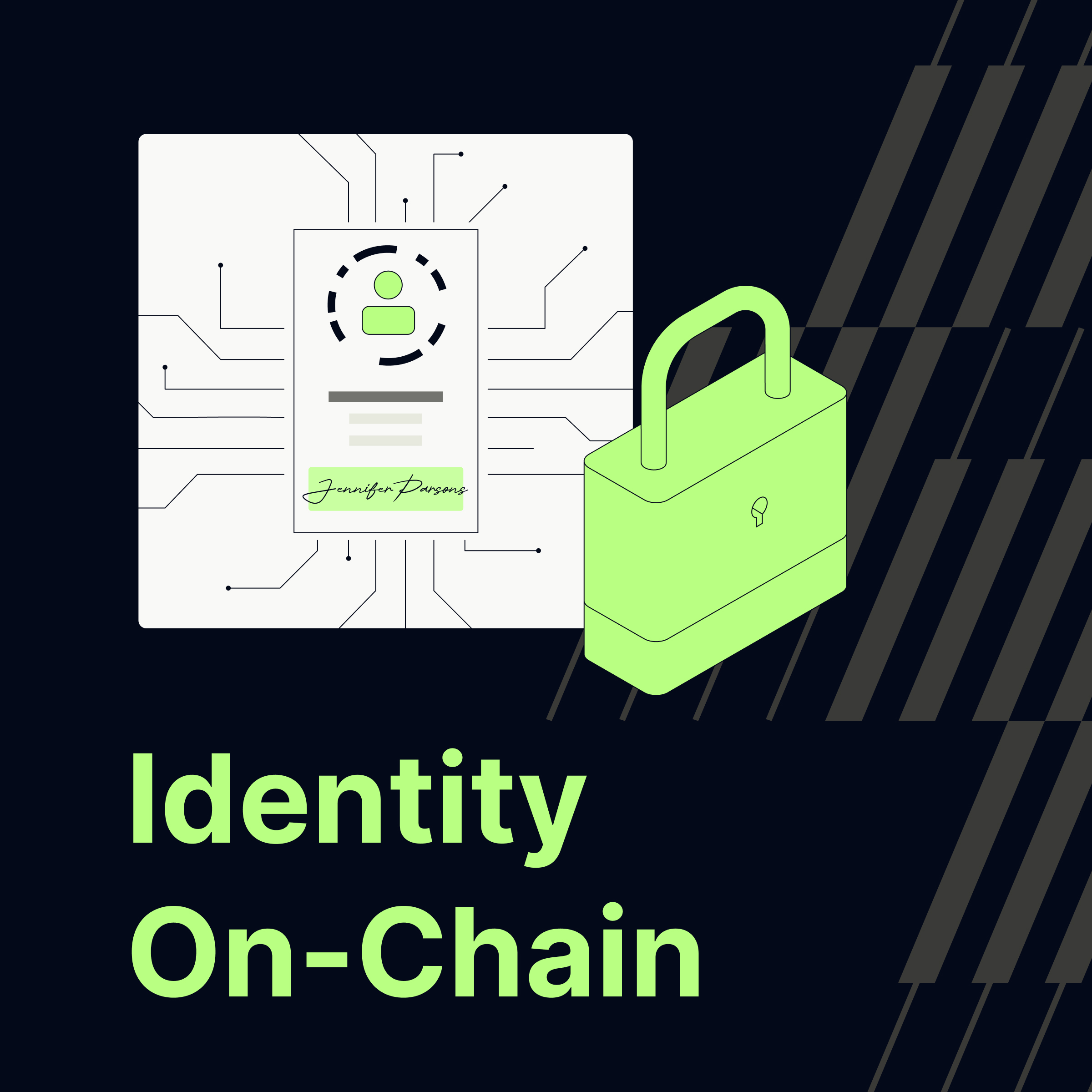
While smart contracts handle the money, they cannot inherently verify the human behind the wallet. Onchain subscription SaaS infrastructure must integrate identity verification layers to prevent fraud and meet regulatory requirements like KYC (Know Your Customer). This is where decentralized identity (DID) solutions come into play. By linking a wallet address to a verified identity credential, SaaS providers can ensure that each subscription is unique and tied to a real-world entity.
This verification process often involves zero-knowledge proofs (ZKPs), which allow users to prove they meet certain criteria (such as being over 18 or residing in a specific jurisdiction) without revealing sensitive personal data. This balance between compliance and privacy is critical for enterprise adoption. As noted by industry leaders, the integration of identity on chain is shifting from a theoretical concept to a practical necessity for trust and compliance in crypto services.
Smart contract execution skills
Beyond simple transfers, onchain infrastructure must support complex logic. Agents and smart contracts need built-in execution skills to interact with various protocols seamlessly. This means the infrastructure must be flexible enough to handle different token standards, cross-chain bridges, and dynamic pricing models. For instance, a SaaS platform might need to adjust subscription fees based on the current market value of the payment token, requiring real-time oracle data integration.
This level of flexibility is often provided by "Vault-as-a-Service" or similar modular infrastructure layers. These services offer pre-audited smart contract templates that can be customized for specific use cases, reducing development time and security risks. By leveraging these standardized components, developers can focus on building the unique value proposition of their SaaS product rather than reinventing the wheel for basic financial operations.
Market Context
The performance of the underlying blockchain layer significantly impacts the viability of onchain SaaS infrastructure. High transaction fees or network congestion can make micro-subscriptions economically unviable. Therefore, choosing a high-throughput, low-cost L1 is essential. The following chart illustrates the recent price action of Solana (SOL), a leading L1 for onchain applications due to its speed and low fees.
Monetizing AI agents with onchain SaaS
The next wave of onchain subscription SaaS infrastructure shifts the customer model: AI agents are no longer just tools, they are autonomous subscribers. Unlike human users who log in and click, these agents operate through recurring delegations and smart contract execution, purchasing access to data feeds, compute resources, and API endpoints without human intervention.
This capability transforms how infrastructure providers charge for services. By leveraging native subscription features on chains like Solana, developers can enable agents to hold crypto balances and automatically renew access to critical services. This reduces friction and enables micro-transactions that would be economically unviable with traditional payment processors.

The economic model relies on the agent's ability to execute trades or manage a treasury autonomously. As agents gain built-in smart contract execution skills, they can negotiate terms, verify service delivery, and settle payments in real time. This creates a new layer of B2B commerce where software services are consumed programmatically, opening up high-frequency, low-latency markets for onchain SaaS providers.
Compare onchain subscription saas infrastructure options
Building onchain subscription saas infrastructure requires choosing between three distinct payment stacks. Each model offers different trade-offs between control, cost, and developer complexity. Understanding these differences helps teams select the right architecture for their specific growth stage.
Native Onchain Billing
Native billing relies on smart contract execution to manage recurring payments directly on the blockchain. This approach uses recurring delegations to automate subscription renewals without intermediate custodians. Developers retain full autonomy over customer data and transaction logic, but they must handle complex edge cases like failed signatures or insufficient gas fees.
Traditional Crypto Gateways
Services like Stripe Crypto or BoomFi act as intermediaries, converting crypto payments into stablecoins or fiat while handling compliance and user experience. These gateways simplify integration for SaaS companies by abstracting away blockchain complexity. However, this convenience comes with higher processing fees and a reliance on third-party infrastructure that may introduce latency or censorship risks.
Hybrid Models
Hybrid solutions combine onchain automation with offchain settlement layers. They use smart contracts for subscription state management while routing payments through established payment rails for stability. This model offers a balance between the transparency of onchain systems and the reliability of traditional financial infrastructure, making it suitable for enterprise-grade applications.
| Feature | Native Onchain | Traditional Gateway | Hybrid |
|---|---|---|---|
| Autonomy | Full control | Limited by provider | Shared control |
| Transaction Fees | Network gas only | 2-3% processing | Moderate |
| Speed | Block time dependent | Instant settlement | Fast |
| Compliance | Self-managed | Provider handled | Shared responsibility |
| Complexity | High development effort | Low integration effort | Moderate |
Implementation checklist
Before launching an onchain subscription SaaS infrastructure, ensure your stack can handle recurring delegations and smart contract execution without friction. This checklist covers the legal, technical, and user experience pillars necessary for a high-stakes launch.
Consult legal experts on jurisdictional regulations for crypto payments. Ensure your terms of service clearly define the nature of the digital asset and the subscription rights.

Rigorously test your subscription logic. Use official documentation from Solana or Stripe to validate how recurring payments are processed and how user allowances are managed securely.

Reduce friction by integrating wallet abstraction or social login solutions. Users should not need to understand private keys to subscribe; the experience must feel like traditional SaaS.
By following these steps, you build a foundation that balances innovation with the reliability users expect from enterprise-grade software.
Common questions on onchain SaaS
Onchain SaaS infrastructure is reshaping how businesses handle recurring revenue and compliance. Unlike traditional cloud services, this model relies on smart contract execution to manage access and billing directly on the blockchain. Understanding the distinction between these models is essential for high-stakes financial planning.
No comments yet. Be the first to share your thoughts!