Why onchain subscription models matter now
The traditional SaaS subscription model is hitting a wall. While 40% of B2B providers still rely on recurring billing, the infrastructure supporting it was built for credit cards and bank transfers, not for the velocity of digital assets. For founders building AI agents and autonomous services, this friction is becoming unsustainable. You cannot bill a machine learning model for a single inference using a Stripe webhook that takes three days to settle.
Onchain subscription SaaS changes this by leveraging stablecoin infrastructure to enable micro-transactions and automated recurring payments. This shift isn't just about faster settlements; it is about enabling new business models that were previously impossible. AI agents can now pay for their own API calls, data feeds, and compute resources in real-time, creating a self-sustaining economy that operates 24/7 without human intervention.
The move to onchain subscriptions reduces friction for global AI agent payments, enabling micro-transactions that traditional banking cannot support. By removing the middleman and the associated fees, you unlock higher margins for both the service provider and the consumer. This is not theoretical finance; it is practical tooling that allows your SaaS product to scale globally without worrying about cross-border payment restrictions or currency volatility.
As we look toward 2026, the competitive advantage will belong to those who integrate these payment rails early. The technology is mature enough to handle the load, and the user base is ready for a seamless experience that feels like magic but operates like code. This is the foundation for the next generation of SaaS, where revenue is not just recurring, but continuous and autonomous.
Core infrastructure for recurring onchain billing
Building a subscription model onchain requires moving beyond simple one-off transfers. You need a technical stack that handles recurring logic, price stability, and automated retries without manual intervention. The foundation rests on three pillars: smart contract automation, stablecoin rails, and oracle feeds to manage volatility.
Smart contract automation and billing logic
Manual invoicing breaks the "set and forget" nature of SaaS. Instead, your smart contracts must encode subscription terms directly into the chain. This involves creating a recurring payment schedule that triggers automatically when conditions are met. Tools like Chainlink Automation or native layer-2 schedulers can call your contract to check if a user’s subscription is active and if funds are available.
The contract logic should handle common failure states. If a payment fails, the contract should pause access or queue a retry rather than immediately terminating the subscription. This mirrors traditional SaaS billing systems that retry cards automatically. Stripe’s guide on on-chain crypto practices highlights how automating these flows reduces friction for users while maintaining transparency for the business [src-serp-4].
Stablecoin rails and volatility management
Subscriptions require predictable revenue. Accepting volatile assets like ETH or BTC for monthly fees introduces accounting nightmares. The standard approach is to bill in stablecoins (USDC, USDT, DAI). However, you must also consider the stability of the stablecoin itself against fiat.
For most SaaS operations, USDC on layer-2 networks like Arbitrum or Base offers the best balance of speed, low cost, and regulatory clarity. If you must accept volatile assets, you need an immediate swap mechanism. When a user pays in ETH, the contract should automatically swap it to USDC via a DEX aggregator before settling. This ensures your revenue remains stable regardless of market swings.
Oracle feeds for pricing and conversion
Oracles bridge off-chain data with on-chain contracts. In a subscription context, oracles serve two critical functions: price feeds and data verification.
First, price feeds allow your contracts to convert between assets at real-time rates. If a user pays in a non-standard stablecoin, an oracle provides the exchange rate to your base currency (e.g., USDC). Second, oracles can verify off-chain events, such as whether a user has completed KYC or if a third-party API confirms a service level.
Using Chainlink’s decentralized oracle network ensures that price data is not manipulated by a single source. This is vital for billing accuracy. If your contract relies on a single, centralized price feed, a glitch could overcharge or undercharge your customers. Decentralized oracles provide a robust, tamper-resistant data layer for your billing logic [src-serp-7].
Context: Monitoring ETH/USDC volatility helps determine if your subscription pricing needs dynamic adjustment or if you should strictly enforce stablecoin-only billing.
Tools for automating AI agent subscriptions
Onchain automation changes the billing model from human-managed credit cards to programmable, machine-executed contracts. For AI-native services, this means your agent can pay for its own compute, storage, or API calls without human intervention. The infrastructure has shifted from simple recurring billing to complex, state-aware payment channels that handle usage spikes and multi-party splits.
To build this, you need tools that sit at the intersection of traditional SaaS billing logic and onchain smart contract execution. These protocols handle the heavy lifting: detecting usage events, calculating costs in real-time, and triggering payments across different chains. The goal is to reduce friction so your AI service feels instant to the user, even if the underlying settlement happens across multiple layers.
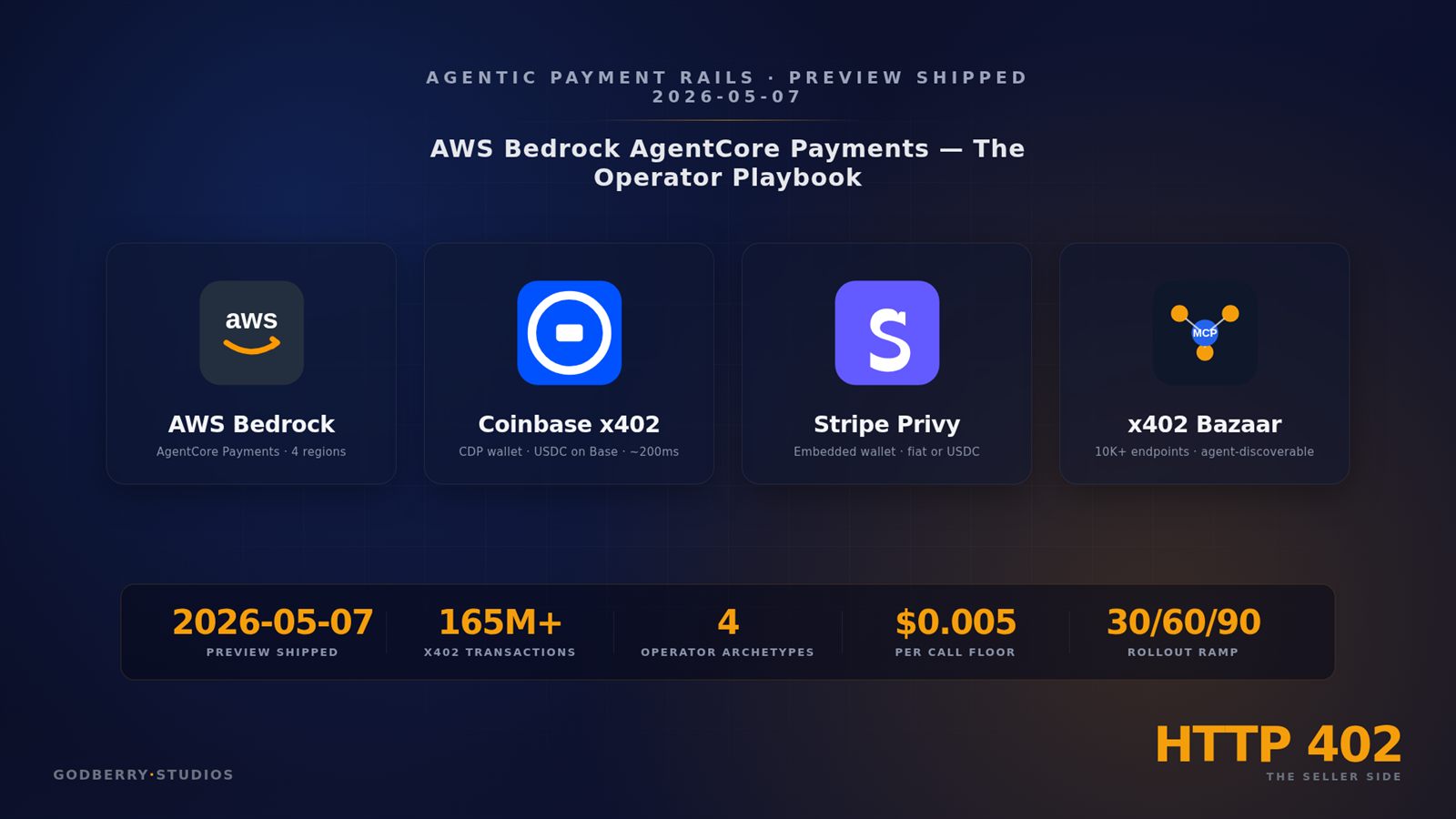
Choosing the right stack depends on where your users live and how your agent consumes resources. Below is a comparison of the leading tools for automating these subscriptions, focusing on gas efficiency, chain support, and native AI integration capabilities.
The AI-Native Revenue Shift
The traditional SaaS model is hitting a ceiling. Customer acquisition costs are rising, and churn remains a persistent headache for founders. Onchain subscription SaaS offers a structural fix by moving revenue verification and access control directly onto the blockchain. This isn't just about crypto payments; it's about creating a transparent, automated revenue stream that reduces friction for both providers and users.
Adoption is accelerating among AI-native tools. Unlike legacy software, AI services often require compute-heavy resources. Token-gated access allows developers to charge per-use or via subscription in stablecoins, ensuring immediate liquidity and reducing chargeback risks. Major players in the AI infrastructure space are beginning to integrate these models, recognizing that onchain billing aligns incentives better than traditional invoicing.
The economic incentive is clear: transparency. When subscription data is onchain, it becomes auditable. This builds trust with investors and users alike. We are seeing a shift from opaque SaaS metrics to verifiable onchain activity. This transparency is driving a new wave of investment into AI infrastructure projects that prioritize open, programmable revenue models.
Common pitfalls in onchain subscription design
Building an onchain subscription SaaS strategy requires more than just deploying a smart contract. The infrastructure is unforgiving, and small oversights in billing logic or user experience can quickly erode retention. Founders often underestimate how blockchain volatility and network congestion directly impact recurring revenue reliability.
Gas fee spikes are the first major hurdle. If your subscription model charges users in ETH or other volatile assets, network congestion can make a $5 monthly fee cost $20 in gas, causing immediate churn. The solution is to integrate stablecoin payments and use Layer 2 solutions or account abstraction to batch transactions. This keeps the cost predictable and removes the friction of manual gas payments for your subscribers.
Smart contract vulnerabilities present a second, more existential risk. A single bug in your subscription logic could allow users to bypass payments or drain funds. Always conduct rigorous audits and consider using established, battle-tested libraries for recurring billing rather than writing custom logic from scratch. Security is not just a feature; it is the foundation of trust in an onchain SaaS business.
Finally, user experience friction can silently kill your product. Requiring users to sign every transaction or manage complex wallet connections creates high drop-off rates. Implementing session keys or social login options can streamline the process, making onchain subscriptions feel as seamless as traditional SaaS. Remember, if it’s harder to pay you onchain than offchain, you will lose customers.
Pre-Launch Validation Checklist
Before you go live, treat your infrastructure like a product, not a prototype. Onchain SaaS requires rigorous testing of payment rails, smart contract security, and user onboarding flows. Use this ordered sequence to validate your stack.
Engage a reputable auditor for your subscription logic. Even small vulnerabilities in recurring payment contracts can drain funds. Verify that your code handles edge cases like failed transactions or network congestion gracefully.

Run end-to-end tests for both crypto and fiat on-ramps. Ensure that subscription renewals trigger correctly across different blockchains and that off-chain notifications sync with on-chain events without delay.
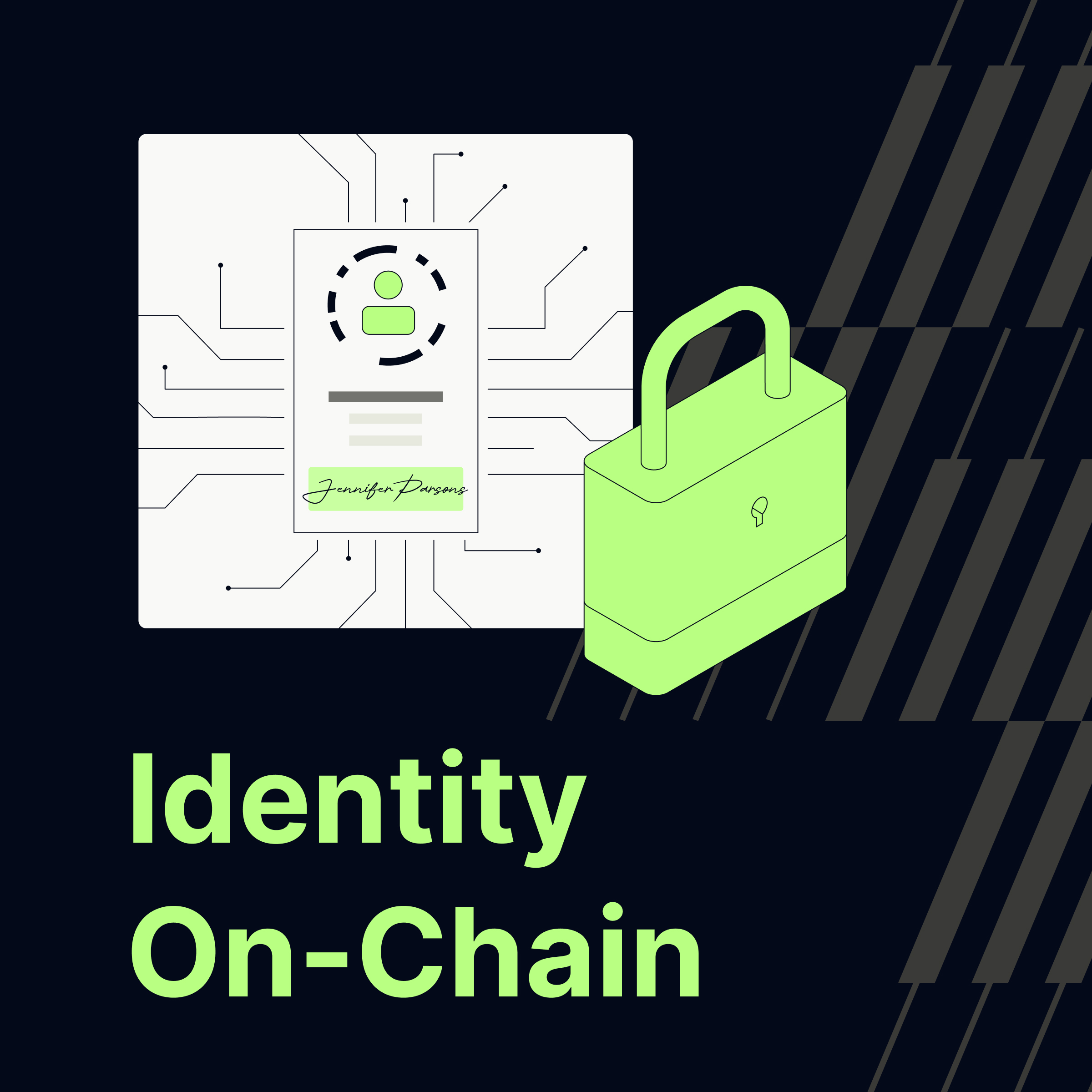
Walk through the entire user journey yourself. From wallet connection to first payment, every step should be intuitive. If a user needs more than three clicks to subscribe, simplify the flow.

Deploy real-time alerts for contract interactions and revenue metrics. You need immediate visibility into failed renewals or unusual activity to prevent revenue leakage and maintain trust with your early adopters.
Frequently asked questions on onchain SaaS
Helpful gear
Use these product recommendations as a starting point, then choose the size, material, and price point that fit how you actually use the gear.

As an Amazon Associate, we may earn from qualifying purchases.
No comments yet. Be the first to share your thoughts!