Onchain subscription saas limits to account for
Building an onchain subscription SaaS guide for 2026 requires navigating a landscape where traditional recurring billing logic meets the immutable nature of blockchain. The core challenge is not just integrating wallets, but creating a user experience that feels as frictionless as Stripe while leveraging the transparency of onchain data. For developers, this means balancing the complexity of smart contract interactions with the simplicity users expect from modern SaaS products.
One major constraint is the variability of token prices and gas fees. Unlike fiat subscriptions, where a $49/month plan is predictable, crypto payments fluctuate. Solutions like Solana’s native subscription plans allow merchants to publish fixed billing tiers onchain with immutable terms, but this requires careful handling of allowance approvals and token swaps. Developers must decide whether to accept volatile assets or build stablecoin rails, each carrying different risks and user expectations.
Another hurdle is the "rule of 40" in a crypto context. In traditional SaaS, this metric suggests that your growth rate plus your profit margin should exceed 40%. Onchain, this translates to balancing the cost of onchain operations (gas, smart contract audits) with the revenue generated. High gas fees on Ethereum L1s can eat into margins for low-tier subscriptions, making Layer 2 solutions or alternative L1s like Solana more viable for micro-subscriptions. However, these choices impact user base and liquidity.
Finally, there is the question of churn and retention. Onchain subscriptions can be canceled instantly by revoking allowances, which increases churn risk compared to traditional credit card billing. To mitigate this, some platforms are experimenting with "allowance allowances" or time-locked commitments, but these add complexity. The key is to design subscription models that offer tangible onchain benefits, such as governance tokens or exclusive NFT access, to justify the ongoing cost and technical friction for the user.
Onchain subscription saas choices that change the plan
Choosing an onchain subscription model requires balancing transparency against complexity. Unlike traditional SaaS, where payment logic is hidden behind a Stripe dashboard, onchain infrastructure exposes every state change to the public ledger. This visibility builds trust but introduces friction for users unfamiliar with wallet interactions.
The primary tradeoff involves the choice between native blockchain protocols and specialized middleware. Native solutions like Solana’s Subscription Plans offer low fees and immutable billing tiers directly on-chain. However, they often lack the sophisticated dunning management and multi-currency support that enterprise customers expect. Middleware providers bridge this gap, abstracting wallet signatures and handling failed transactions, but they introduce a centralization point and higher operational overhead.
Another critical factor is the user experience. Onchain subscriptions require users to manage private keys and approve recurring transactions. While tools like account abstraction are improving this, the barrier to entry remains higher than credit card onboarding. You must decide if your target audience values self-custody and composability enough to tolerate this friction.
To help visualize the market context, here is the current performance of the Ethereum network, which underpins most of the SaaS tokenomics discussed here:
| Feature | Native Onchain (e.g., Solana) | Middleware/Abstraction Layer | Traditional SaaS (Stripe) |
|---|---|---|---|
| Transaction Costs | Very Low (~$0.001) | Low to Medium | Medium ($0.30 + %) |
| User Experience | High Friction (Wallets) | Moderate (Embedded Wallets) | Low (Credit Card) |
| Transparency | Full Public Ledger | Partial/Abstracted | Private |
| Chargeback Risk | None (Irreversible) | Low (Smart Contract Logic) | High |
| Integration Speed | Slow (Custom Dev) | Fast (APIs) | Fastest (APIs) |
The table above highlights the core tension: you gain trust and lower costs by going native, but you lose the convenience that drives mass adoption. For AI-native revenue models, this choice dictates your total addressable market. If you target developers, native onchain logic is compelling. If you target general consumers, middleware or traditional SaaS may be necessary to reduce churn caused by payment friction.
Choose the next step for onchain subscription SaaS
Deciding how to implement recurring payments requires matching your technical stack to your revenue model. Unlike traditional SaaS, onchain subscriptions involve immutable smart contracts, token allowances, and gas considerations that change the unit economics. The following steps provide a decision framework to move from research to implementation.

Determine if your pricing is fixed or usage-based. Solana’s native subscription plans support fixed billing tiers with immutable terms, such as a $49/month plan, which simplifies the smart contract logic. If your model requires dynamic pricing based on API calls or compute, you will need a more complex oracle or off-chain pricing engine to trigger onchain payments.

Choose between stablecoins for predictable revenue or volatile assets for potential upside. For most B2B SaaS, stablecoins like USDC reduce accounting friction and align with traditional financial expectations. Ensure your chosen chain supports native subscription allowances to prevent users from having to manually approve every transaction, which degrades the user experience.
Move away from simple wallet-to-wallet transfers. Instead, use token allowances that grant your smart contract permission to withdraw funds up to a set limit. This allows for seamless recurring billing without requiring the user to sign a new transaction for every invoice. This pattern is critical for maintaining a subscription-like feel in a wallet-driven environment.
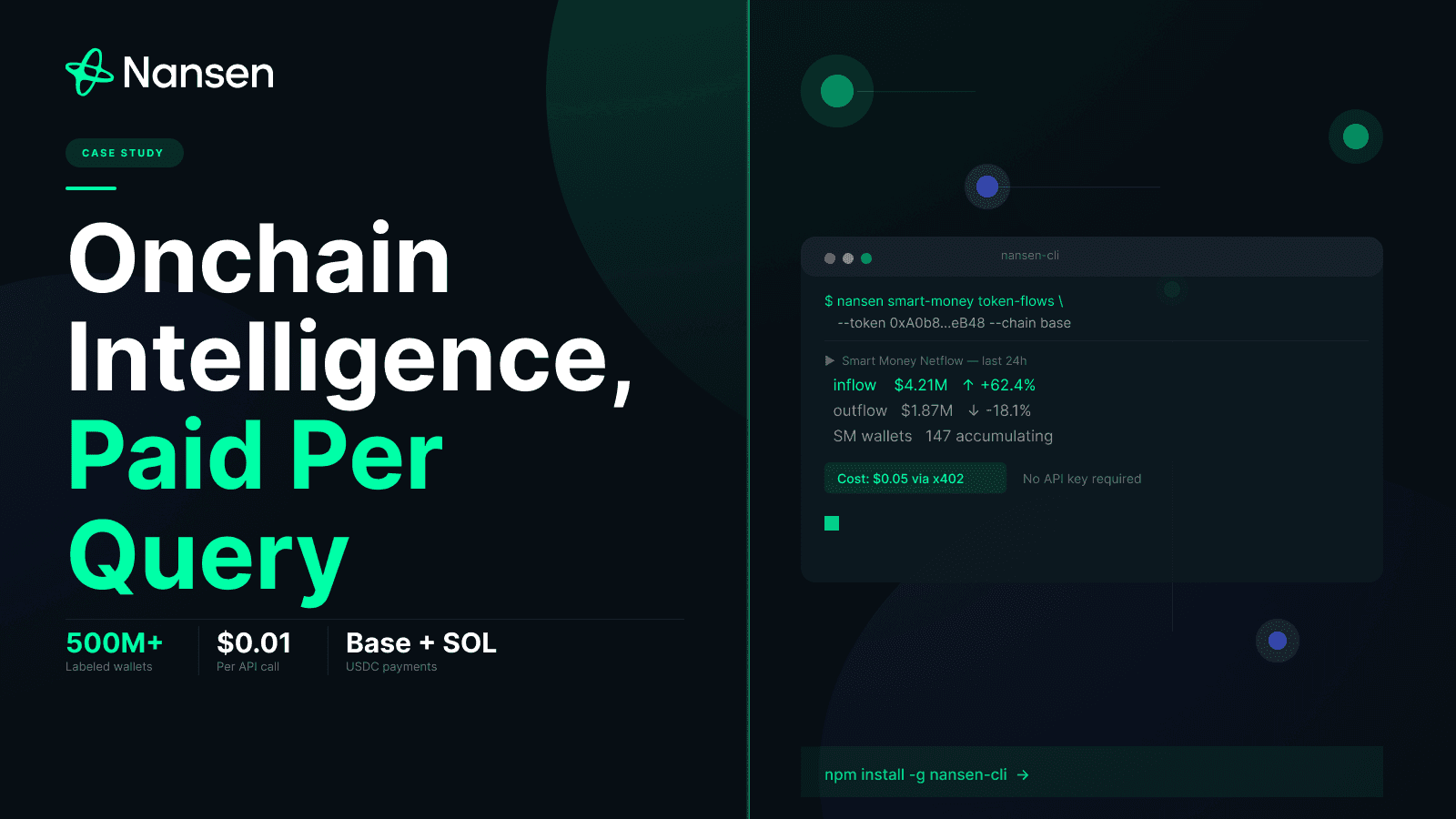
Onchain data is not always real-time. Use a reliable indexer to monitor payment status and trigger service access or denial. If a payment fails or the allowance is insufficient, your system must gracefully handle the downgrade or suspension of service without breaking the user’s session. This reliability is the backbone of trust in onchain SaaS.

Before scaling, run a beta with a small group of users to identify edge cases in gas estimation and allowance expiration. Watch for failed transactions due to insufficient gas or expired approvals. This phase helps you refine your error handling and user notifications, ensuring that technical failures do not lead to revenue loss or churn.


As an Amazon Associate, we may earn from qualifying purchases.
Avoid the weak options
The easiest mistake with Onchain Subscription SaaS is comparing options on the most visible detail while ignoring the day-to-day constraint. A choice can look strong on paper and still fail because it is too hard to maintain, too expensive to repeat, or awkward in the actual setting. Use the same checklist for every option: fit, cost, durability, timing, upkeep, and fallback plan. That keeps the comparison practical instead of drifting into preference alone.
The simplest way to use this section is to write down the real constraint first, compare each option against it, and choose the path that still works outside ideal conditions.
No comments yet. Be the first to share your thoughts!