The shift from SaaS to onchain subscriptions
Traditional SaaS models are built on a simple premise: you pay a recurring fee for access to software. This human-gated account structure works for enterprise contracts, but it creates friction for the emerging wave of autonomous economic activity. As AI agents begin to execute tasks, the rigid monthly subscription model is proving too slow and expensive for the micro-transactions these agents require.
The industry is shifting toward onchain subscriptions where automated payments replace manual billing. Instead of a human logging in to manage a credit card on file, AI agents use smart contracts to pay for compute, data, or API calls in real-time. This transition from SaaS (Software-as-a-Service) to a more fluid, agent-driven economy allows for granular billing that scales with actual usage rather than seat count.
The SaaS subscription model is dying. Your future customers aren't humans; they are AI agents. Today, access is gated through accounts, but tomorrow it will be gated through wallets and smart contracts. The shift is already underway as agents seek the lowest-latency, lowest-friction payment rails.
This infrastructure change is not just about payment processing; it is about redefining ownership and access. Onchain subscriptions leverage the transparency and immutability of blockchain data to ensure that every micro-transaction is verifiable. For developers and founders, this means building tools that can natively interact with wallets and smart contracts, moving beyond the legacy SaaS playbook of email-based logins and Stripe integrations.
| Feature | Traditional SaaS | Onchain Subscription |
|---|---|---|
| Billing | Monthly/Annual | Real-time micro-transactions |
| Customer | Human users | AI agents & humans |
| Access Control | Email/Password | Wallet/Sig verification |
| Data | Private database | Public ledger |
Core infrastructure for onchain billing
Building onchain subscriptions requires a stack that handles both the payment rails and the logic for recurring access. Unlike traditional SaaS, where you rely on Stripe or PayPal to manage churn and retries, onchain billing shifts that responsibility to smart contracts and stablecoin transfers. The goal is to create a system where access is granted or revoked automatically based on whether a valid token balance exists.
Smart contracts and stablecoin integration
At the heart of this infrastructure is a smart contract that acts as the subscription manager. This contract holds the logic for renewal intervals, grace periods, and access rights. When a user subscribes, they typically approve a token spend or deposit a lump sum of stablecoins into the contract. The contract then checks the balance periodically to determine if the subscription is active.
Using stablecoins like USDC or USDT is critical for SaaS businesses to avoid the volatility of native tokens like ETH or SOL. This ensures your revenue remains predictable. The smart contract must be audited and designed to handle edge cases, such as failed transactions or insufficient gas fees, which can interrupt service. Tools like OpenZeppelin provide standard interfaces for ERC-20 token approvals, making integration smoother.
Payment processing and identity verification
While the smart contract handles the logic, you need a way to bridge offchain payments to onchain execution. This often involves using payment gateways that support onchain settlements or building custom integrations with wallet providers. These gateways handle the initial fiat-to-crypto conversion or facilitate direct stablecoin transfers from user wallets.
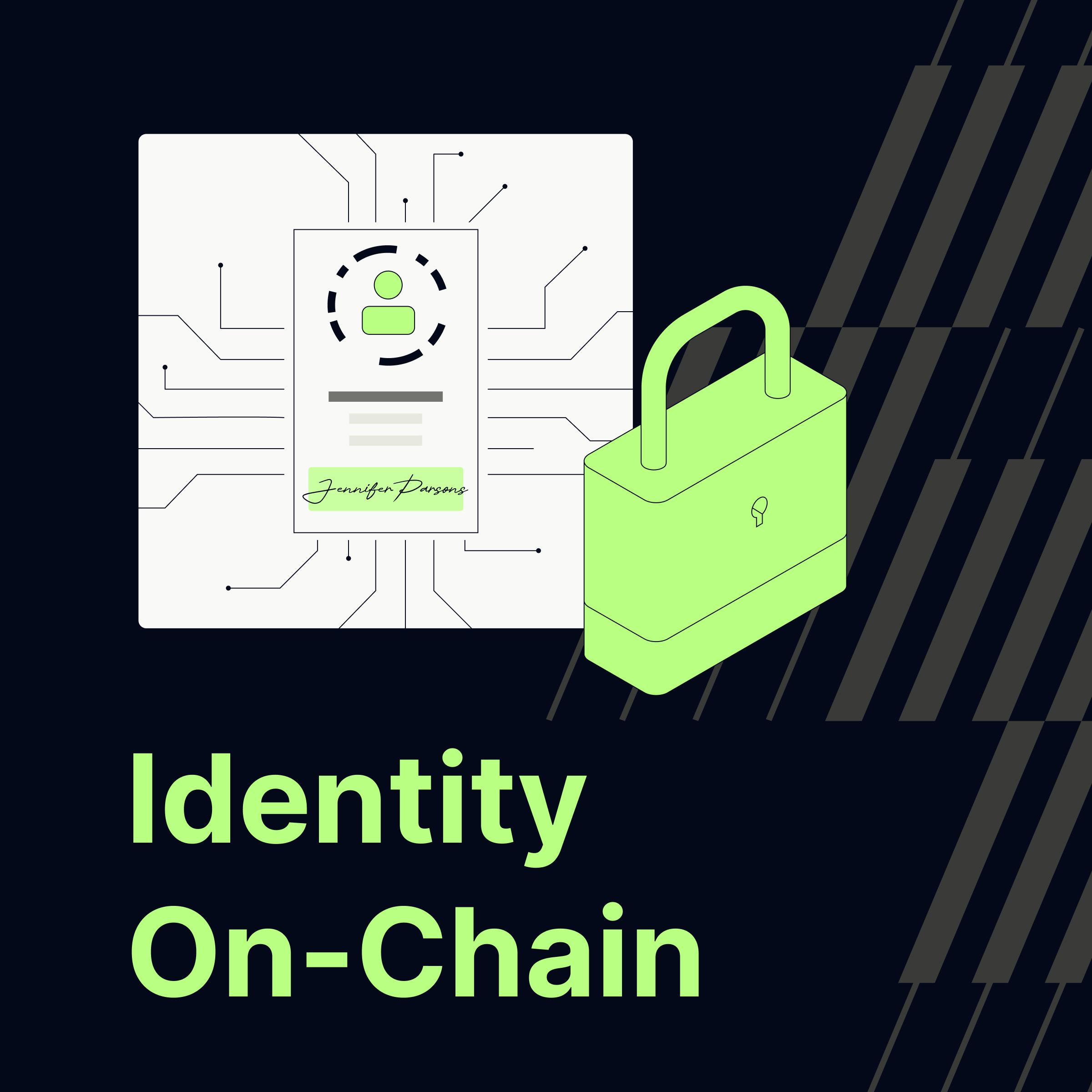
Identity verification is also part of the core infrastructure, especially for compliance. Proof of Personhood (PoP) or decentralized identity (DID) solutions can help prevent Sybil attacks and ensure that each subscription is tied to a unique user. This adds a layer of trust and security to the billing process.
Monitoring and maintenance
Finally, you need robust monitoring tools to track subscription health. This includes real-time dashboards for revenue, churn rates, and active subscribers. Since blockchain transactions are public, you can leverage onchain data to audit your billing system. However, you must also implement offchain monitoring to detect anomalies, such as sudden drops in active subscriptions or unusual transaction patterns.
Essential tools for subscription management
Managing recurring revenue on-chain requires a stack that handles smart contract logic, user identity, and automated payouts. The infrastructure has matured from simple token-gating to full-service SaaS platforms that mirror traditional billing cycles without the friction of centralized payment processors. These tools allow founders to retain custody of funds while offering subscribers the transparency of public ledger verification.
The following comparison highlights three primary infrastructure providers that facilitate onchain subscription management. Each offers distinct advantages for affiliate tracking, recurring token payments, and user retention.

DropLinked
DropLinked focuses on the affiliate and referral layer of subscription SaaS. It enables platforms to track sales and automate commission payouts between parties using smart contracts. This is particularly useful for subscription models that rely on network effects, ensuring that promoters and affiliates are compensated instantly and accurately without manual reconciliation. The tool bridges the gap between traditional affiliate marketing and onchain settlement.
Collab.Land
For retention, Collab.Land provides the interface between token ownership and community engagement. It verifies onchain holdings to grant access to Discord servers, forums, or gated content. By tying subscription status to token balance, it creates a natural churn mechanism: if a user stops paying or sells their tokens, access is revoked automatically. This reduces the administrative burden of managing user accounts and cancellations.
Superfluid
Superfluid introduces a different payment model: streaming money. Instead of waiting for a monthly invoice to clear, subscriptions are streamed in real-time. This infrastructure is ideal for high-frequency SaaS products or API access where usage-based billing is preferred. It allows for instant refunds and precise proration, offering a level of financial flexibility that traditional credit card processors struggle to match.
Market Research and Data Transparency
Trust in the AI crypto infrastructure space rests on one thing: verifiable data. Unlike off-chain metrics buried in private databases, on-chain data lives permanently on the blockchain. This permanence means transaction histories, token transfers, and smart contract interactions are public and immutable. No single party can secretly alter the record once it is confirmed, creating a baseline of honesty that traditional SaaS models struggle to match.
For market research, this transparency is a game-changer. Analysts and builders can audit real-time usage patterns and revenue flows without relying on self-reported metrics from companies. Tools like Chainlink Proof of Reserve provide a standardized framework for auditing digital asset reserves, ensuring that the capital backing these AI infrastructure projects is actually there. This level of visibility reduces information asymmetry, allowing investors to make decisions based on hard ledger data rather than marketing slides.
The ability to trace funds and verify contract logic also mitigates the risk of manipulation. While no system is entirely immune to front-running or flash loan attacks, the public nature of the ledger allows the community to spot anomalies quickly. This collective scrutiny acts as a powerful deterrent against fraudulent activity, fostering a more resilient ecosystem for on-chain subscription models.
FAQs on onchain subscription models
Can onchain data be manipulated?
Onchain data is the information recorded directly on a blockchain, such as transactions, token transfers, smart contract activity, and wallet balances. It is public and permanent, so anyone can read it and no single party can secretly change it after it is confirmed. While the raw ledger is immutable, on-chain analysis focuses on measuring the intrinsic value of a cryptoasset using this unalterable data. This transparency is what makes onchain subscription models trustworthy for automated renewals.
Who owns an onchain wallet?
In a true onchain wallet, you are the custodian. This means you get full access and control of your crypto private keys. Unlike a centralized custodian on a traditional app, you have complete ownership of your crypto when they are stored in your own wallet. This self-custody is fundamental to onchain subscriptions, as it allows you to sign and revoke smart contract permissions without relying on a third-party intermediary.
What is the difference between onchain and offchain data?
Onchain data lives directly on the blockchain, making it permanent, transparent, and verifiable by anyone. Offchain data is stored outside the blockchain, typically on traditional servers, decentralized storage networks like IPFS, or private databases. For subscription SaaS, onchain data provides the settlement layer (payments), while offchain data might handle the actual service delivery or user metadata.
Can you make money on onchain subscriptions?
Onchain subscriptions allow users to sign a smart contract that automatically renews payments using tokens or stablecoins. This eliminates failed payments and reduces churn for Web3 businesses. By leveraging these automated mechanisms, creators and SaaS providers can build sustainable revenue streams that operate 24/7 without the friction of traditional payment processors.
Helpful gear
Use these product recommendations as a starting point, then choose the size, material, and price point that fit how you actually use the gear.

As an Amazon Associate, we may earn from qualifying purchases.
No comments yet. Be the first to share your thoughts!