Why SaaS needs onchain billing
The traditional subscription model relies on a fragmented stack of payment processors, banking rails, and reconciliation tools. For AI-driven services operating globally, this infrastructure introduces friction that grows with scale. Onchain billing replaces these siloed intermediaries with a unified settlement layer, allowing developers to treat crypto payments with the same reliability as fiat, but without the geographic boundaries.
Cross-border payments remain a significant pain point for SaaS providers. Traditional gateways often block transactions based on regional risk rules or impose high foreign exchange fees. By moving billing onchain, you bypass these legacy banking restrictions. Stablecoins provide a consistent value anchor while enabling instant settlement across borders, reducing the administrative burden of managing multiple currency accounts.
Transparency is another critical factor for AI services, where computational costs can fluctuate rapidly. Onchain ledgers provide immutable records of every transaction, making it easier to audit usage-based billing and resolve disputes. This clarity builds trust with users who value open financial systems. As Stripe notes, businesses can simplify payments and improve transparency by adopting on-chain crypto infrastructure.
While onchain transactions can be slower or more expensive than offchain alternatives during network congestion, the long-term benefits of reduced intermediaries outweigh the minor latency costs for most SaaS models. The key is choosing the right layer and token standards to match your service’s velocity. For AI companies, this shift isn’t just about accepting crypto; it’s about modernizing the financial backbone of your product.
Core infrastructure for recurring payments
Building a reliable onchain subscription service requires more than just a smart contract; it demands a robust stack that handles automation, stability, and compliance. The goal is to remove friction for the user while ensuring the SaaS provider gets paid consistently. This section breaks down the technical components you need to stitch together a functional billing system.
Smart contracts and automation
At the heart of your infrastructure is the smart contract that manages access and billing. Instead of relying on manual intervention, you need contracts that can automatically enforce subscription terms. Solutions like Unlock Protocol provide modular contracts designed specifically for recurring access, handling the logic for renewals and expiration. For more complex SaaS models, you might build custom contracts that integrate with automation tools like 0xProcessing, which offers APIs to handle recurring crypto payments, retries, and invoicing flows. These tools abstract away the complexity of managing state changes on-chain, allowing your application to focus on user experience.
Stablecoin integration
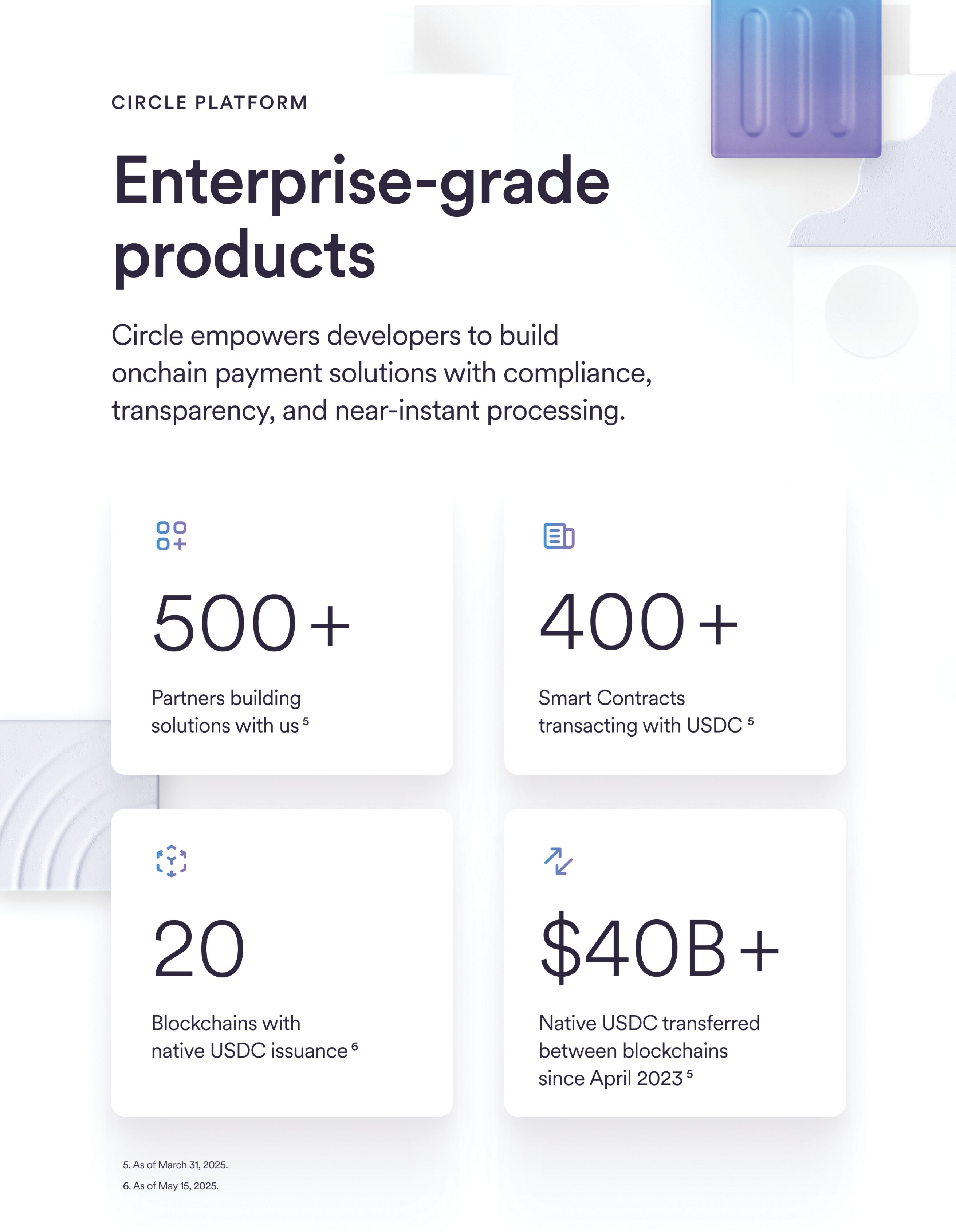
Subscription pricing must be stable. Volatility is the enemy of recurring revenue, so your infrastructure should primarily accept stablecoins like USDC. Using a stable asset ensures that the value your customer pays today is the same value you receive next month. This also simplifies accounting and reduces the need for constant hedging.
The chart above shows USDC’s stability relative to the US Dollar. This peg stability is critical for SaaS pricing models, as it allows you to set fixed monthly fees without worrying about market swings eroding your revenue. Most modern onchain billing stacks default to USDC on Ethereum L2s or other cost-effective chains to minimize transaction fees for users.
Payment gateways and retries
Even with smart contracts, things go wrong: users forget to approve tokens, wallets run out of gas, or network congestion causes failures. A reliable payment gateway layer is essential to handle these edge cases. Services like 0xProcessing provide backend infrastructure that monitors transaction status and automatically retries failed payments. This "set and forget" approach is vital for maintaining churn rates low. Without automated retries, a single failed transaction could mean a lost subscriber, whereas a well-configured retry logic can recover most missed payments.
Wallet integration and user experience
Onchain subscription SaaS sits at the intersection of two competing forces: self-custody security and frictionless user experience. For non-crypto natives, the traditional model of managing seed phrases is a barrier to entry. Modern infrastructure shifts this burden from the user to the platform, allowing for a seamless experience without sacrificing the security benefits of blockchain.
The most effective approach uses account abstraction or smart contract wallets to abstract away private key management. Instead of asking users to back up a 24-word phrase, the platform handles key recovery through social login or email verification. This mirrors the convenience of Web2 password resets while maintaining onchain ownership of assets. The user interacts with a familiar interface, while the backend manages the complex cryptographic signatures required for subscription payments.
This shift also clarifies the distinction between onchain and offchain transactions. Onchain transactions are slower and often more expensive, especially under heavy network load. Offchain transactions happen outside the main blockchain in private channels or internal ledgers, relying on additional infrastructure for finality. For a SaaS model, a hybrid approach is often best: use offchain ledgers for instant subscription status updates and reserve onchain transactions for final settlement or high-value actions.
To ensure a smooth integration, focus on the user journey from login to subscription activation. The goal is to make the cryptographic process invisible.
Compliance and custody considerations
Onchain subscription SaaS operates in a regulatory gray area that is rapidly solidifying. Unlike traditional SaaS, where funds move through established banking rails, onchain payments require you to navigate custody rules and compliance frameworks that vary by jurisdiction. For high-stakes financial deployments, ignoring these nuances isn't just risky—it's a business-ending liability.
The core tension lies in asset control. When you hold customer funds or tokenized subscriptions directly, you may be classified as a money transmitter or financial adviser. Galaxy’s analysis on custody rule compliance highlights that deploying assets onchain through smart contracts often triggers stricter oversight than offchain alternatives. You need to determine if your architecture qualifies as a custodian under local laws, particularly in the US where SEC and FinCEN guidelines are increasingly strict.
Custody models and liability
Your choice of custody model dictates your regulatory burden. Non-custodial models, where users retain private keys, reduce your liability but complicate user experience and recovery processes. Custodial models, where you hold assets, offer smoother UX but expose you to theft, loss, and regulatory scrutiny. Most B2B SaaS companies opt for qualified custodians to mitigate risk, effectively outsourcing the compliance headache to a regulated third party. This approach aligns with industry best practices for handling institutional-grade assets.
Navigating onchain vs. offchain compliance
Understanding the difference between onchain and offchain transactions is critical for compliance reporting. Onchain transactions are public, immutable, and slower, making them ideal for audit trails but challenging for high-volume, low-latency subscriptions. Offchain transactions happen on private ledgers or sidechains, offering speed and privacy but requiring robust internal controls to prove transaction integrity to regulators. Stripe notes that offchain solutions often rely on additional infrastructure to maintain consistency, which adds complexity to your compliance stack.
Practical steps for founders
- Audit your custody flow: Determine if you hold keys. If yes, engage a qualified custodian immediately.
- Map regulatory jurisdictions: Identify where your customers are located and apply the strictest relevant rules.
- Implement transaction monitoring: Use blockchain analytics tools to flag suspicious activity, similar to traditional AML/KYC processes.
- Document your architecture: Clearly define the role of smart contracts in fund movement to satisfy legal review.
Ignoring these steps isn't an option. The regulatory landscape for onchain SaaS is not waiting for you to catch up. Build with compliance as a first-class citizen, not an afterthought.
Market strategy for AI-driven subscriptions
Positioning an onchain SaaS product in 2026 requires balancing the transparency of blockchain with the efficiency of AI automation. The core challenge isn't just technical; it's about trust. Users need to know their recurring payments are secure and their AI usage is billed accurately. Onchain infrastructure provides a verifiable ledger for these interactions, turning opaque billing cycles into transparent, automated contracts.
To succeed, you must treat your subscription model as a product feature, not just a backend utility. This means integrating onchain payment rails that handle stablecoin transactions seamlessly while leveraging AI to predict churn or optimize pricing tiers dynamically. The goal is to reduce friction for the user while maintaining strict compliance and auditability for the founder.
Start by aligning your pricing tiers with actual onchain gas costs and network congestion. If your service relies heavily on AI inference, consider bundling computational resources into the subscription fee rather than charging per token. This simplifies the user experience and makes your offering more predictable compared to traditional SaaS models that surprise customers with overage fees.
Finally, focus on community-driven growth. Onchain products thrive on transparency. Share your smart contract audits and AI model performance metrics openly. This builds the kind of trust that traditional SaaS companies struggle to achieve, giving you a distinct competitive edge in a crowded market.
Onchain vs offchain transaction trade-offs
Choosing between onchain and offchain infrastructure is the first major technical decision for any onchain SaaS product. The trade-off isn't just about speed; it's about where you want your trust assumptions to live.
Onchain transactions settle directly on the blockchain. They offer maximum transparency and security because the ledger is public and immutable. However, this comes at the cost of throughput and latency. During periods of high network congestion, fees can spike, and confirmation times can slow down user experience significantly. This is often acceptable for high-value settlements or compliance-heavy workflows where the audit trail is the primary feature.
Offchain transactions occur in private channels, side networks, or internal ledgers. They are faster and cheaper because they don't require every node to process every step. Think of them like a bank's internal ledger: fast and efficient, but you have to trust the institution. For SaaS platforms, this model works well for daily operational data or high-frequency micro-transactions where final settlement happens onchain periodically.
The table below breaks down the core differences to help you decide which architecture fits your product's needs.
| Feature | Onchain | Offchain |
|---|---|---|
| Settlement | Directly on blockchain | Private ledger or sidechain |
| Speed | Slower (block time dependent) | Near-instant |
| Cost | Higher (gas fees) | Lower (minimal overhead) |
| Transparency | Public and verifiable | Private to participants |
| Trust Model | Code-based (trustless) | Institutional (trusted) |
For most B2B SaaS applications, a hybrid approach is common. You handle the high-volume, low-value interactions offchain for performance, then batch-settle the final state onchain for auditability. This balances the need for a smooth user interface with the regulatory and security benefits of blockchain transparency.
FAQ: Onchain Subscription SaaS
What is the difference between onchain and offchain transactions?
Onchain transactions are slower and often more expensive than offchain, especially under heavy network load. Offchain transactions happen outside the main blockchain in private channels, side networks, or internal ledgers. They often rely on some level of additional infrastructure.
Can I use onchain billing for recurring subscriptions?
Yes, but it requires smart contract automation or offchain oracles to trigger payments at set intervals. Unlike traditional SaaS, you must handle failed transactions and retry logic directly in your protocol design.
How do I handle refunds in a decentralized system?
Refunds are programmable but irreversible if not coded into the smart contract. Most onchain SaaS platforms use multi-signature wallets or time-locked escrow contracts to allow for dispute resolution before final settlement.
Is onchain billing compliant with tax regulations?
Onchain transactions are still taxable events in most jurisdictions. You need to track the fair market value of the crypto at the time of the transaction and report it accordingly. Consult a tax professional familiar with digital assets.
What are the main costs for onchain subscription SaaS?
The primary costs are gas fees for executing smart contract functions and potential oracle fees for price data. Layer 2 solutions can significantly reduce these costs compared to Ethereum mainnet.
Helpful gear
Use these product recommendations as a starting point, then choose the size, material, and price point that fit how you actually use the gear.


As an Amazon Associate, we may earn from qualifying purchases.
No comments yet. Be the first to share your thoughts!