Onchain subscription SaaS market limits to account for
The onchain subscription SaaS market faces a distinct bottleneck: the gap between on-chain payment reliability and off-chain service fulfillment. While blockchain ensures that subscription payments are immutable and transparent, it does not automatically verify that the underlying service—such as API access or software licenses—was actually delivered or consumed. This creates a "trust but verify" friction point for enterprise buyers who require audit trails that span both the ledger and the application layer.
Galaxy Digital notes that on-chain fundamental analysis focuses on measuring the intrinsic value of assets using data derived directly from the blockchain. However, for SaaS products, the "asset" is often the software service itself, which exists off-chain. This disconnect means that while the payment leg of the transaction is robust, the fulfillment leg often relies on external oracles or centralized intermediaries to confirm usage, reintroducing some of the very counterparty risks that on-chain solutions aim to eliminate.
To navigate this, successful platforms are moving toward hybrid models. They use smart contracts to handle the recurring billing and token transfers but integrate with traditional SaaS infrastructure (like Stripe or AWS) via secure middleware to manage access rights. This approach leverages the transparency of on-chain data while maintaining the operational flexibility required for modern software delivery. As the market matures, we expect to see more tools that bridge this divide, allowing for truly autonomous, self-sovereign subscription models.
For those looking to analyze this space, understanding the flow of value is critical. You can track the health of these protocols by observing on-chain metrics such as active subscriber wallets, recurring transaction volumes, and token velocity. Tools like Dune Analytics provide open-source dashboards that can help visualize these trends, offering a clearer picture of market adoption than traditional SaaS metrics alone.
Onchain subscription SaaS market choices that change the plan
Building a subscription model on-chain requires balancing transparency with operational efficiency. Unlike traditional SaaS, where you control the billing infrastructure, onchain subscriptions rely on smart contracts and decentralized networks. This shift introduces specific tradeoffs in cost, speed, and user experience that directly impact your bottom line.
Fees and Network Congestion
Transaction costs (gas) are the most immediate friction point. On mainnets like Ethereum, fees can spike during high demand, turning a $10 subscription into a $50 transaction. This volatility makes micro-subscriptions difficult to sustain. Layer 2 solutions like Arbitrum or Base offer significantly lower fees, but they introduce complexity in liquidity and user onboarding. You must decide whether your target audience prioritizes the security of Ethereum mainnet or the cost-efficiency of a Layer 2.
Finality and User Experience
Traditional payments settle in seconds; onchain transactions can take minutes or hours depending on the network. For a subscription service, this delay can create anxiety for users who expect instant access. While some networks offer near-instant finality, others require multiple block confirmations to prevent double-spending. This tradeoff between security and speed affects churn rates. Users accustomed to one-click SaaS billing may abandon carts if the process feels sluggish or opaque.
Data Transparency and Privacy
Every subscription payment is visible on the blockchain, which offers auditability but removes financial privacy. For B2B clients, this transparency can be a feature, allowing for automated accounting and verification. For B2C users, however, it may be a dealbreaker. You need to consider whether your value proposition justifies this loss of privacy. Some protocols use zero-knowledge proofs to obscure transaction details, but this adds technical overhead and development costs.
Regulatory Compliance
Unlike offchain payments, onchain transactions are immutable. This permanence simplifies compliance audits but complicates error correction. If a user accidentally subscribes to a plan or sends funds to the wrong wallet, reversing the transaction is often impossible without user consent or complex multisig governance. Traditional SaaS platforms offer easy refund mechanisms; onchain subscriptions require careful smart contract design to handle disputes and edge cases without compromising decentralization.
| Factor | Onchain | Traditional SaaS |
|---|---|---|
The choice between onchain and offchain isn't just technical; it's strategic. Your decision should align with your user's tolerance for friction and your need for transparency. For high-value B2B contracts, the auditability of on-chain data may outweigh the cost. For mass-market B2C, the simplicity and speed of offchain payments often win. Evaluate these tradeoffs against your specific use case before committing to infrastructure.
Turn research into a practical decision framework
On-chain data is the information recorded directly on a blockchain, such as transactions, token transfers, smart contract activity, and wallet balances. This transparency allows you to measure the intrinsic value of a cryptoasset using data derived directly from the blockchain [src-2]. However, raw data is just noise until you apply a structured evaluation process.
To build a reliable onchain subscription SaaS model, you need to move beyond simple price tracking and analyze the underlying network health. The following steps outline how to validate demand, assess infrastructure, and structure your offering based on real-time on-chain signals.
Before building, confirm that the target blockchain has sufficient active users. Look for daily active addresses and transaction volume trends rather than just token price. Tools like Dune Analytics provide open-source dashboards to visualize these patterns. If the network is growing but user engagement is flat, the infrastructure may be speculative rather than utilitarian.

Your subscription model depends on predictable operational costs. Evaluate the gas fees and block times of your chosen chain. High volatility in transaction costs can erode margins for low-ticket subscriptions. Use provider-backed tools to monitor current network congestion and historical fee averages to forecast sustainable pricing tiers.
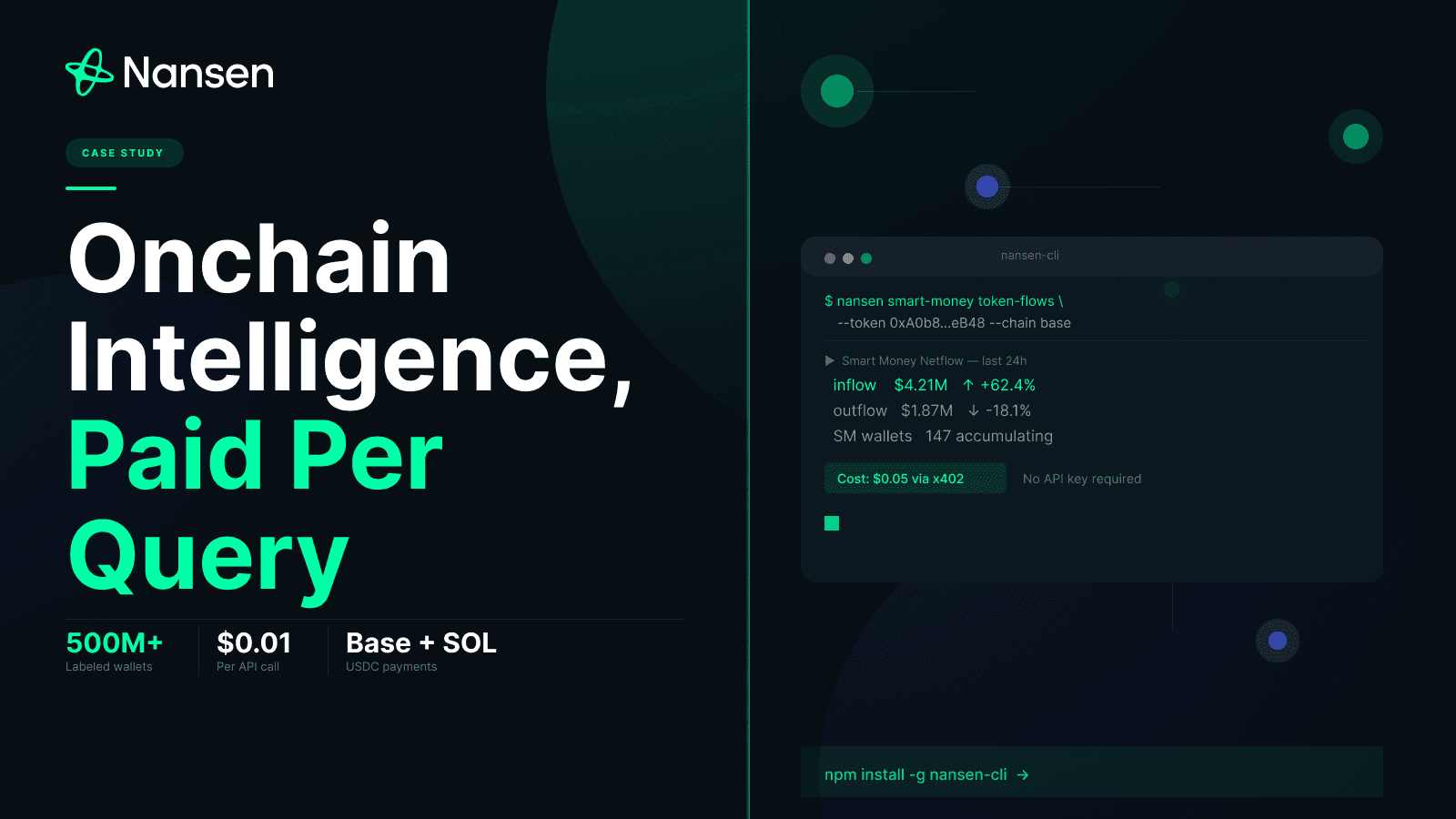
On-chain transactions occur on a main blockchain and are validated by the network. Design smart contracts that handle recurring payments or token-gated access automatically. This reduces friction for subscribers and eliminates manual reconciliation. Ensure your contracts are audited, as security is paramount when handling user funds.

While on-chain data is immutable, user behavior can sometimes be gamed through wash trading or coordinated wallet clusters. Use advanced analysis platforms like Glassnode or CryptoQuant to identify suspicious activity patterns. Distinguishing between organic growth and artificial inflation is critical for accurate long-term planning.
By following this framework, you transform raw on-chain metrics into a strategic advantage. The key is consistency: regularly review these signals to adjust your subscription offerings as the market evolves.
Spotting Weak Options and Misleading Claims
Onchain subscription models promise frictionless recurring revenue, but the infrastructure is often more fragile than the marketing suggests. Many platforms advertise "native" subscription capabilities while relying on fragile external bridges that break during network congestion. Before committing to a stack, you need to verify exactly how the recurring logic is executed. If the smart contract doesn't natively handle token approvals or renewal checks, your revenue stream is at risk of leaking during high-fee periods.
Another common trap is the reliance on off-chain oracles for subscription validity. While this can reduce gas costs, it introduces a single point of failure. If the oracle goes offline or reports stale data, your service stops working for active subscribers. Always prefer solutions that settle directly on-chain or use decentralized oracle networks with multiple data sources. The trade-off in gas efficiency is rarely worth the operational risk of a centralized check.
Be wary of tools that claim to offer "zero-config" onchain analytics. Interpreting on-chain data requires context. Platforms that oversimplify metrics often hide the noise, making it difficult to distinguish between genuine user retention and bot activity. Use established tools like Dune Analytics for custom queries or Glassnode for institutional-grade metrics to verify the health of your subscription base. Don't trust a dashboard that doesn't let you see the raw transaction logs.
Finally, check the exit liquidity and tokenomics. Many onchain SaaS projects tie their service access to a volatile governance token. If the token crashes, your churn rate will spike regardless of product quality. Stick to stablecoin-denominated subscriptions where possible, or ensure your token has a clear utility beyond just access. The best onchain businesses treat their token as a loyalty mechanism, not a mandatory payment rail for core services.
Onchain subscription SaaS market research: what to check next
Can you make money on Onchain?
The short answer is yes, but not in the way traditional equity markets work. Onchain revenue comes from protocol fees, token emissions, and value accrual mechanisms built into smart contracts. According to the 2025 Onchain Revenue Report by 1kx, protocols are increasingly distributing value directly to token holders through fee-sharing models. However, profitability depends on network activity, not just user count. High transaction volumes drive fees, but if the token supply inflates faster than revenue, holders may still lose value. Successful onchain businesses treat tokenomics as a core financial metric, not an afterthought.
Can Onchain data be manipulated?
Onchain data is public and permanent by design. Once a transaction is confirmed on the blockchain, it cannot be secretly altered or deleted. This transparency means you can audit every wallet balance, token transfer, and smart contract interaction. However, while the data itself is immutable, the interpretation can be misleading. Large holders (whales) can move funds to create false signals, and cross-chain bridges can obscure the true origin of assets. Always verify data across multiple sources like Glassnode or CryptoQuant to distinguish between actual market movement and temporary noise.
What are Onchain payments?
Onchain payments are transactions recorded directly on a blockchain’s main ledger, as opposed to offchain or layer-2 solutions that batch activity later. For example, when a user sends Bitcoin from one wallet to another via the main Bitcoin network, that is an onchain transaction. These payments are validated by the network’s consensus mechanism and are final once confirmed. In the context of SaaS, onchain payments often involve smart contracts that automatically release funds when specific conditions are met, reducing counterparty risk and eliminating the need for traditional payment processors.
What are the best tools for onchain analysis?
Choosing the right tool depends on your specific use case. For professional asset managers, Glassnode offers deep historical data and institutional-grade metrics. CryptoQuant is particularly strong for Bitcoin and Ethereum traders focusing on exchange flows and miner behavior. Dune Analytics is the go-to for open-source, customizable dashboards, while Santiment excels in social sentiment analysis. For compliance and AML (Anti-Money Laundering) needs, Chainalysis provides the most robust enterprise-grade tracking. Start with one platform that matches your primary metric needs before expanding to a full stack.
No comments yet. Be the first to share your thoughts!