Why onchain subscription SaaS matters now
The subscription model has long been the backbone of software, but the plumbing behind it remains stubbornly traditional. For years, SaaS companies have relied on off-chain billing ledgers, manual reconciliation, and third-party payment processors to manage recurring revenue. This legacy infrastructure creates friction: high processing fees, cross-border payment delays, and the constant administrative burden of chasing failed payments or managing churn. As we move through 2026, a shift is underway. Onchain subscription SaaS is replacing these opaque ledgers with smart contracts that automate billing, ensuring trustless, programmable recurring payments.
This transition is not just about adopting cryptocurrency; it is about restructuring the economic relationship between software providers and users. By moving billing onchain, companies gain access to a global, permissionless market without the geographic restrictions of traditional banking rails. More importantly, the code becomes the contract. When a subscription expires or a payment fails, the smart contract executes the logic instantly—revoking access or adjusting service tiers—without human intervention. This programmability reduces operational overhead and eliminates the ambiguity that often plagues traditional billing disputes.
The economic case for this shift is becoming increasingly clear. While traditional payment processors often charge 2-3% per transaction plus fixed fees, onchain settlements can occur for fractions of a cent, depending on the network. This efficiency allows SaaS founders to offer more competitive pricing or retain higher margins. For users, it means greater transparency and control over their recurring expenses. As the infrastructure matures, the distinction between "crypto-native" and "traditional" SaaS is blurring, with onchain mechanics becoming the standard for scalable, global software delivery.
Building the Technical Stack
Onchain Subscription SaaS analysis reveals that the core infrastructure relies on three pillars: smart contract standards for automated billing, decentralized payment gateways for liquidity, and identity verification to prevent Sybil attacks. Unlike traditional SaaS, where a credit card processor handles the heavy lifting, onchain SaaS requires developers to manage token approvals, renewal logic, and gas optimization directly.
Smart Contracts and Payment Gateways
The foundation of recurring revenue onchain is the ERC-4626 vault standard or custom subscription contracts that allow for automatic token deductions. For payments, platforms often integrate with decentralized protocols like Sablier for streaming payments or traditional gateways like Stripe via crypto rails to bridge fiat and onchain assets. This hybrid approach reduces friction for users who are not yet comfortable with wallet management.
Identity and Verification
To prevent subscription abuse, identity verification is critical. Onchain identity solutions like World ID or ENS integration help ensure that each subscription is tied to a unique human or entity. This layer of verification is essential for maintaining the integrity of the user base and ensuring that the subscription model remains economically viable.
AI Agents and Narrative Markets Reshape Onchain Subscriptions
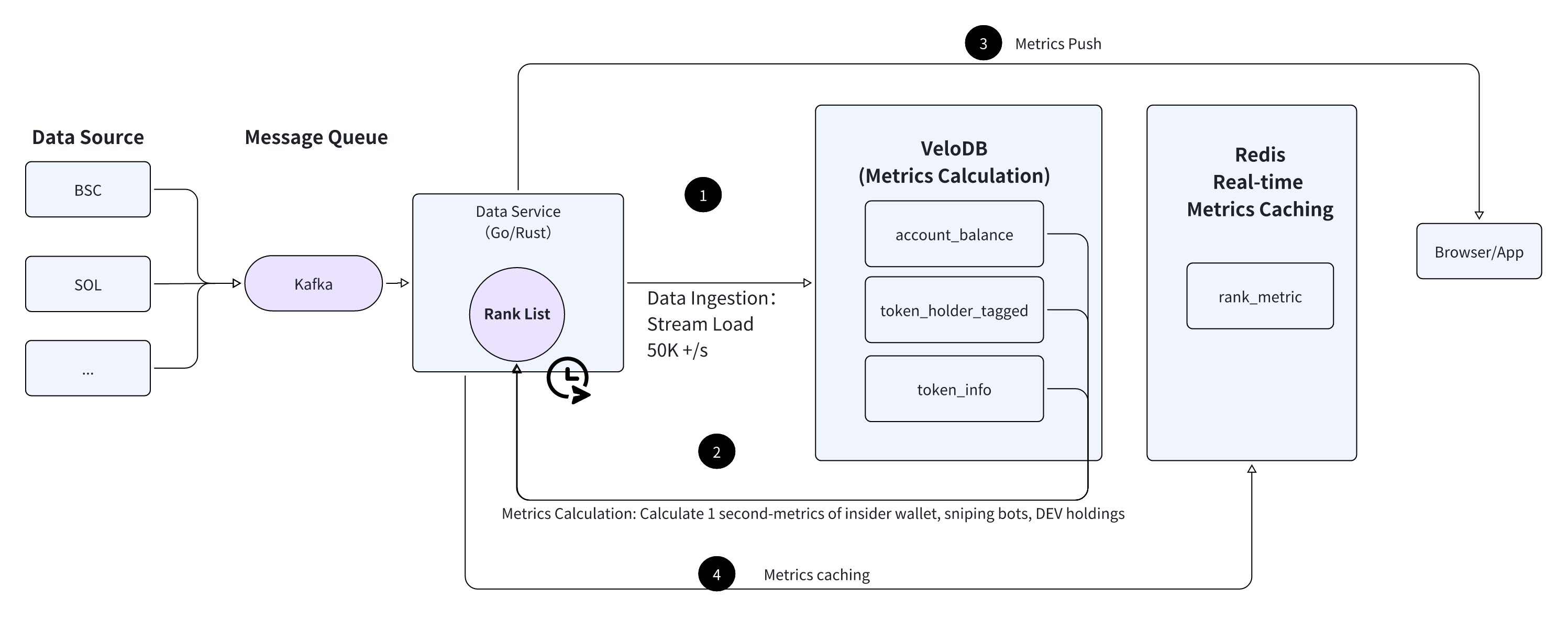
The onchain subscription SaaS landscape is shifting from static recurring payments to dynamic, agent-driven economies. AI agents are no longer just chat interfaces; they are autonomous actors capable of negotiating, paying, and consuming services on-chain. This creates a new layer of infrastructure where subscriptions are not just for human users, but for software-to-software interactions.
Narrative markets amplify this shift by allowing communities to tokenize future value streams. Instead of waiting for quarterly revenue reports, investors and users can trade exposure to specific AI agent networks or data feeds. This liquidity allows onchain subscription SaaS platforms to fund development and scale operations through decentralized capital markets, reducing reliance on traditional venture debt.
To track these evolving dynamics, founders must monitor the underlying asset performance that drives these subscription models. The health of the native token often correlates with the adoption rate of the service.
This integration of AI and finance means that onchain subscription SaaS is becoming a hybrid of software and financial instrument. The value proposition is no longer just the utility of the tool, but the economic incentives embedded within its usage. As these systems mature, we will see more sophisticated contracts that adjust pricing based on real-time agent activity and market sentiment.

Strategic models for onchain SaaS
Use this section to make the Onchain Subscription SaaS decision easier to compare in real life, not just on paper. Start with the reader's actual constraint, then separate must-have requirements from details that are merely nice to have. A practical choice should survive normal use, maintenance, timing, and budget. If a recommendation only works in an ideal situation, call that out plainly and give the reader a fallback path.
| Factor | What to check | Why it matters |
|---|---|---|
| Fit | Match the option to the primary use case. | A good deal still fails if it does not fit the job. |
| Condition | Verify age, wear, and service history. | Hidden condition issues erase upfront savings. |
| Cost | Compare purchase price with likely upkeep. | The cheapest option is not always the lowest-cost option. |
Build your onchain subscription stack
Implementing an onchain subscription SaaS requires more than just deploying a smart contract. You need a stack that handles recurring payments, manages user access, and maintains compliance without introducing centralization risks. This guide walks you through the essential steps to build a robust infrastructure.
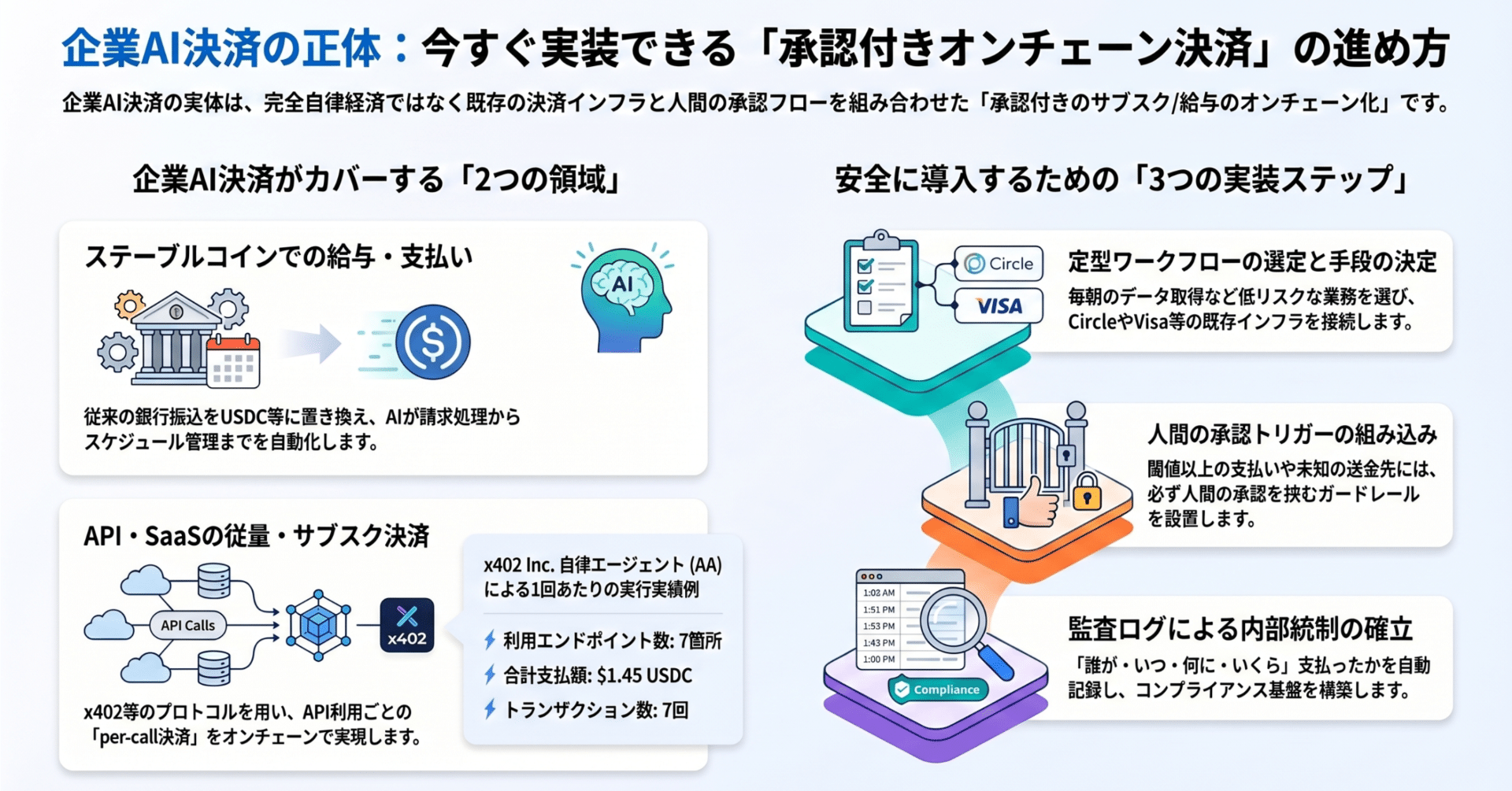
Choose a protocol like Sablier or Streamflow for continuous, prorated billing. These allow you to stream payments rather than waiting for fixed intervals, which reduces churn friction and improves cash flow predictability for your SaaS model.
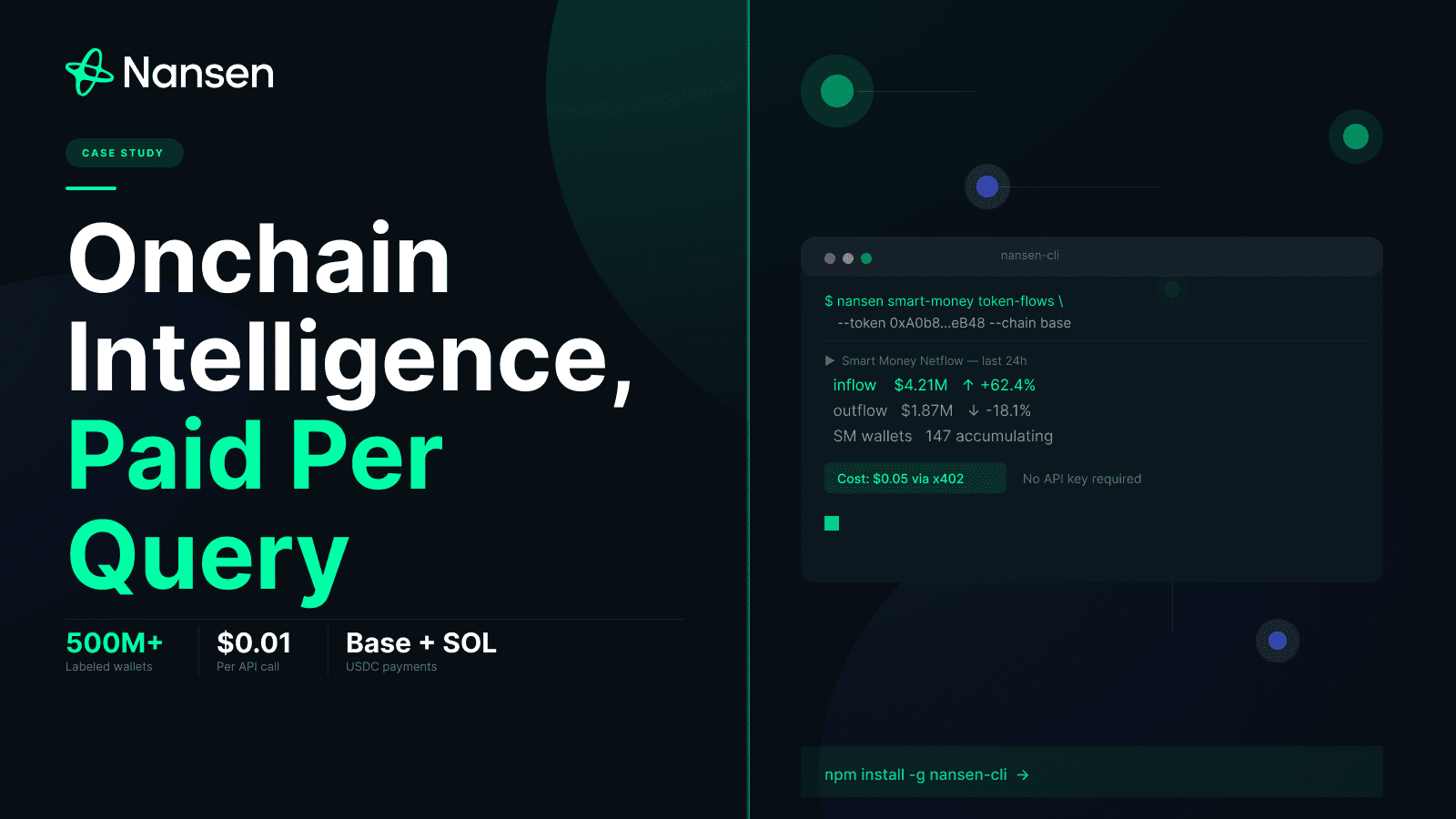
Connect your backend to an onchain analytics platform like Dune. You need real-time visibility into wallet activity, token balances, and subscription status to trigger access grants or revocations automatically without manual intervention.
Your subscription logic must be immutable and secure. Deploy your contracts to a testnet first, then engage a reputable auditor. An unverified contract is a liability; transparency builds trust with crypto-native users who inspect code before paying.
Abstract the complexity of wallets and gas fees. Use account abstraction or meta-transactions to allow users to subscribe with just an email or social login. If the onboarding friction is too high, your conversion rates will suffer regardless of your product quality.
By following this checklist, you ensure your onchain subscription SaaS analysis is grounded in technical reality. Focus on the user experience first, then layer in the blockchain infrastructure.
Common questions on onchain analysis
Understanding the mechanics of onchain data is essential for accurate Onchain Subscription SaaS analysis. These answers address the most frequent technical questions regarding data integrity, market classification, and key indicators.
No comments yet. Be the first to share your thoughts!