Why onchain subscription SaaS matters now
Traditional SaaS billing relies on intermediaries like payment gateways and banks, which take cuts, delay settlements, and require constant reconciliation. For modern software companies, especially those in the AI agent economy, this legacy infrastructure is a liability. Moving to onchain subscription SaaS solves transparency and efficiency problems by using stablecoins and smart contracts to automate recurring payments with near-zero friction.
Unlike traditional subscriptions where churn is often hidden by vague billing cycles, onchain transactions are public and verifiable, reducing fraud risks and simplifying revenue recognition. As noted by Stripe, on-chain crypto allows businesses to "simplify payments, minimize friction, and improve transparency" by removing opaque middlemen. 1
This shift enables new economic models. AI agents, which operate autonomously and require micro-transactions, cannot effectively use credit cards. They need instant, programmable, and low-cost settlement layers. Onchain subscription SaaS provides the infrastructure for these agents to pay for services in real-time, creating a seamless loop of value exchange that fiat systems cannot support.
The strategic imperative is clear: if your SaaS product serves the growing ecosystem of AI agents or global, borderless users, sticking to legacy billing is a strategic error. Onchain subscriptions offer the speed, transparency, and programmability required for the next generation of software commerce.
Core infrastructure for recurring crypto payments
Building a subscription model onchain requires more than just a wallet address; it demands a reliable payment rail that can handle the rhythm of monthly or annual billing. The technical stack must bridge the gap between decentralized settlement and the predictable user experience expected in traditional SaaS. This involves selecting the right stablecoin, implementing smart contract logic for automation, and designing robust retry mechanisms to handle the inherent volatility and latency of blockchain networks.
Stablecoin selection and network choice
The foundation of any onchain subscription is the asset used for settlement. For SaaS businesses, stability is non-negotiable. Most providers default to USDC or USDT on high-throughput, low-cost networks like Solana, Polygon, or Arbitrum. These networks offer the speed and fee structure necessary for micro-transactions without eroding margins. Using a volatile asset like ETH or SOL for recurring billing introduces unnecessary exchange rate risk for both the provider and the customer.
To contextualize the liquidity and stability of the primary settlement asset, here is the current market data for USDC.
Smart contract logic for recurring billing
The smart contract acts as the escrow and automation engine. Unlike traditional payment processors that charge a percentage per transaction, onchain contracts can be configured to hold funds in escrow and release them only when service conditions are met. This logic typically includes:
- Subscription State: Tracking active, paused, or expired status.
- Payment Schedule: Defining the interval (e.g., every 30 days) and the amount.
- Access Control: Granting or revoking access to the SaaS platform based on payment status.
This approach reduces operational overhead by automating the billing cycle directly on-chain, though it requires careful auditing to prevent logic errors that could lock users out or drain funds.
Retry mechanisms and failure handling
Blockchain transactions are not instantaneous, and network congestion or insufficient gas can cause payments to fail. A robust retry mechanism is essential to prevent service disruption. The infrastructure must monitor the mempool and transaction receipts, automatically retrying failed payments after a short delay or notifying the user via off-chain channels (email or push notification) to update their wallet balance.
For a deeper look at how network conditions impact transaction reliability, consider the technical chart for USDC, which reflects the underlying network activity and liquidity depth.
By integrating these components—stablecoin selection, automated smart contracts, and resilient retry logic—SaaS providers can offer a seamless, transparent, and cost-effective subscription experience that leverages the best of onchain technology.
Monetizing AI agents with onchain billing
The friction of manual payments is the biggest bottleneck for autonomous AI agents. Traditional SaaS relies on credit card gateways that require human intervention for recurring billing, failed retries, and subscription management. Onchain billing removes this friction by allowing agents to execute subscriptions directly on the blockchain. This shift enables new revenue models where AI services can self-fund, self-renew, and scale without human oversight.
For AI-native SaaS products, this means moving from a "user pays" model to an "agent pays" model. An AI agent can hold a stablecoin balance in a smart contract and automatically release payments for compute time, API calls, or data access. This creates a seamless, continuous service loop that is transparent and immutable. The agent doesn't need to ask for permission to pay; it simply executes the transaction based on predefined parameters.
This approach also opens up micro-transaction economies that are impossible with traditional payment processors. High fees and minimum transaction limits make it impractical to charge fractions of a cent for small AI tasks. Onchain billing, particularly on low-fee networks, allows for granular monetization. An agent can pay for every token generated, every second of processing, or every piece of data accessed. This precision creates a fairer pricing model that aligns cost with actual usage.
To understand the market dynamics driving this shift, it helps to look at the underlying asset performance. The volatility and liquidity of the tokens used for these transactions directly impact the stability of the subscription model.
The integration of onchain billing is not just a technical upgrade; it is a fundamental change in how AI services are commercialized. By leveraging smart contracts for recurring payments, AI-native SaaS products can achieve true autonomy. This allows them to scale rapidly and operate efficiently in a decentralized economy.
Onchain vs offchain billing models
Choosing a billing infrastructure means deciding where the transaction ledger lives. Offchain SaaS billing relies on centralized processors like Stripe or PayPal to manage subscriptions. The money moves through private ledgers, and the customer never touches the blockchain. Onchain billing settles directly on a public ledger, giving everyone a shared, immutable record of payment.
The trade-off comes down to speed versus transparency. Offchain payments are instant but opaque. You trust the processor to reconcile the books. Onchain payments are slower and cost more in network fees, but they are fully verifiable. There is no middleman to dispute or freeze funds once the transaction confirms.
| Metric | Offchain Billing | Onchain Billing |
|---|---|---|
| Settlement Speed | Instant (seconds) | Slow (minutes to hours) |
| Transaction Fees | Low (1-3%) | Variable (gas/network fees) |
| Transparency | Private (processor-controlled) | Public (blockchain-verified) |
| Reconciliation | Automated via API | Manual or smart contract |
For most SaaS businesses, offchain remains the default because it is cheap and fast. However, onchain models offer a distinct advantage for decentralized teams. They eliminate fraud and ensure accurate commissions without a central authority controlling the payout. As Stripe notes, on-chain crypto can simplify payments and improve transparency, though it often comes at the cost of speed and higher friction during network congestion.
| Metric | Offchain | Onchain |
|---|---|---|
| Settlement Speed | Instant | Slow |
| Fees | Low | Variable |
| Transparency | Private | Public |
| Reconciliation | Automated | Manual |
Key steps to launch your onchain subscription
Building a subscription model onchain requires more than just a smart contract. You need a system that handles recurring billing, retry logic, and user onboarding without friction. The following steps outline the core infrastructure needed to launch a viable onchain SaaS product.

Start by choosing your settlement asset. Stablecoins like USDC are the standard for SaaS subscriptions due to their price stability, whereas volatile assets introduce accounting complexity. Decide if your contract will handle automatic recurring payments via allowances or if users must manually authorize each cycle. Define your retry logic for failed transactions to minimize churn.
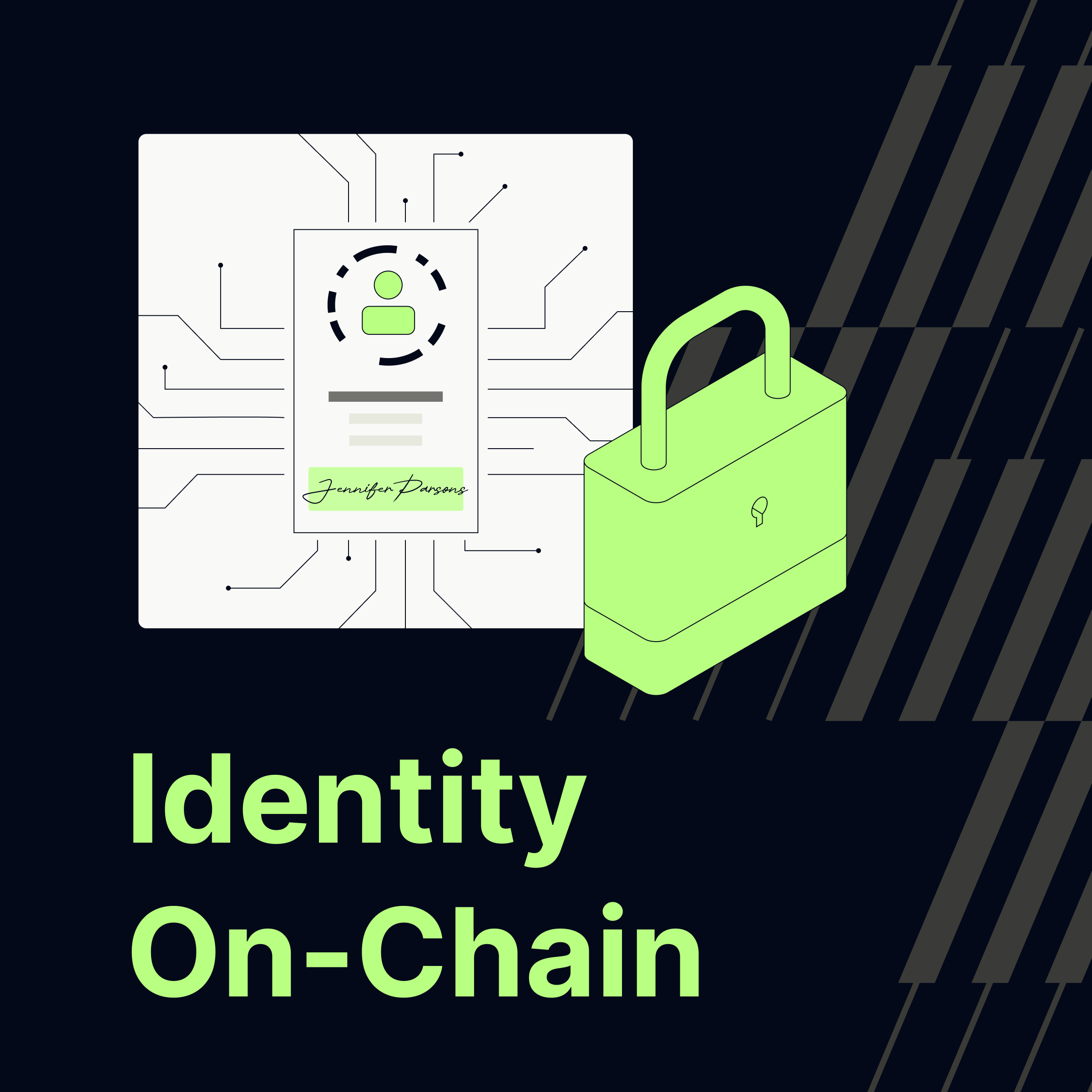
Your smart contract must track user subscriptions, expiration dates, and access rights. It should include functions to subscribe, renew, and cancel. Ensure the contract is compatible with your chosen blockchain’s gas model. For high-volume SaaS, consider layer-2 solutions like Arbitrum or Base to keep transaction costs low for your users.

Connect your frontend to a wallet provider like MetaMask or RainbowKit. You will need a payment processor or a custom indexer to listen for onchain events and update your offchain database. This step bridges the gap between the blockchain and your application’s backend, ensuring users get access to your software as soon as payment is confirmed.
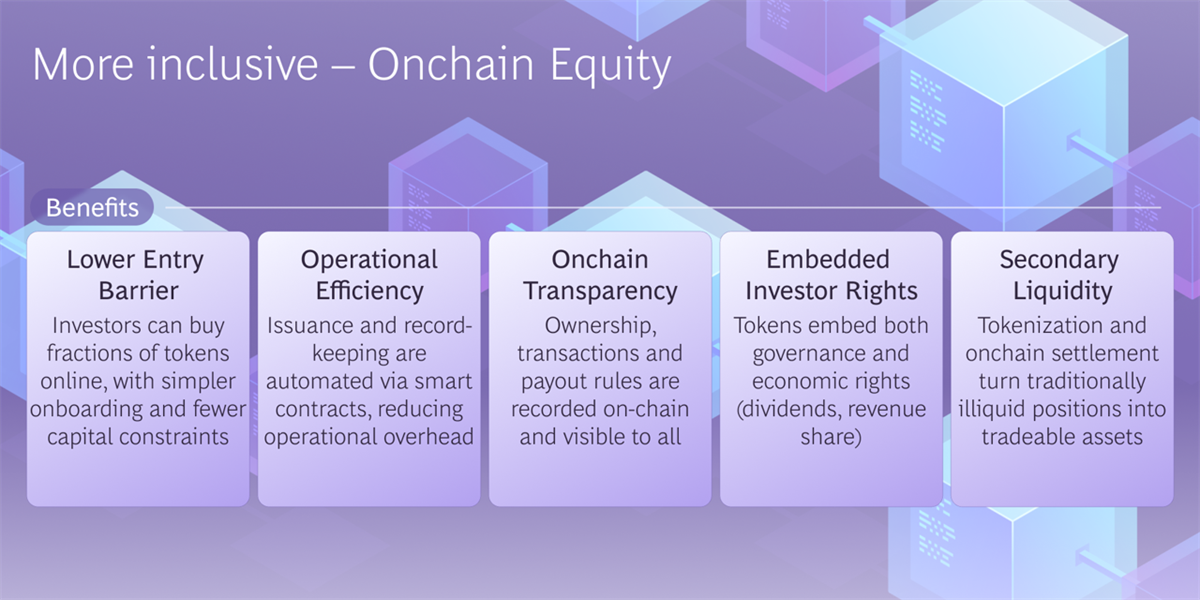
Onboarding is the biggest hurdle. Provide clear instructions on how users can fund their wallets and sign transactions. Once a subscription is active, use a token-gated access mechanism to verify their status. This could be an NFT membership or a simple onchain signature verification that unlocks your SaaS dashboard.
Onchain payments are not always instant. You need a robust monitoring system to detect pending transactions and handle network congestion. If a payment fails, your system should automatically notify the user and pause access according to your grace period policy. This proactive management is critical for maintaining revenue stability.
The transition to onchain billing is a significant architectural shift. It offers transparency and reduced chargeback risks, but it demands rigorous testing of your contract logic and payment flows. Focus on stability and user experience to ensure your subscription model survives market volatility.
Frequently asked questions on onchain SaaS
What is the difference between Onchain and Offchain transactions?
Onchain transactions are slower and often more expensive than offchain ones, especially under heavy network load. Offchain transactions happen outside the main blockchain in private channels, side networks, or internal ledgers. They often rely on some level of additional infrastructure to manage state between participants.
Is Onchain decentralized?
Yes. Onchain billing systems operate without a central authority controlling transaction processing. This decentralization, combined with full transparency and immutability, reduces fraud risks because transactions are public and verifiable. Once confirmed, on-chain transactions cannot be altered or reversed.
How do Onchain SaaS subscriptions handle recurring billing?
Most Onchain SaaS platforms use smart contracts to automate recurring payments. These contracts execute automatically when conditions are met, such as a subscription renewal date. This eliminates the need for manual invoicing and reduces administrative overhead compared to traditional offchain billing models.
What are the security benefits of Onchain billing?
Onchain billing offers enhanced security through cryptographic verification. Since transactions are recorded on a public ledger, they are transparent and immutable. This makes it difficult for malicious actors to alter records or engage in fraudulent activities, providing a higher level of trust for both SaaS providers and customers.
Footnotes
-
Stripe, "On-Chain Crypto for Modern Payments: A Guide" ↩
No comments yet. Be the first to share your thoughts!