Why onchain subscription SaaS matters now
SaaS providers are moving recurring billing onchain to bypass traditional banking friction and reach global markets that credit card networks often exclude. An Onchain Subscription SaaS guide reveals that blockchain infrastructure offers programmability that legacy processors cannot match, allowing for automated, trustless recurring payments without intermediaries.
The shift is driven by three structural advantages: lower transaction costs for international clients, instant settlement times, and the ability to embed financial logic directly into smart contracts. According to Stripe, on-chain crypto allows businesses to "simplify payments, minimize friction, and improve transparency" by eliminating the need for multiple clearinghouses. This is particularly relevant for B2B SaaS, where cross-border invoicing can be slow and expensive.
However, this infrastructure introduces new risks. Volatility and regulatory uncertainty require careful handling. Providers must balance the efficiency of blockchain with the stability expected in subscription billing. The following sections detail the technical and compliance frameworks needed to manage this transition effectively.
Core Infrastructure for Onchain Subscription SaaS
Building an onchain subscription SaaS requires replacing traditional payment processors with a stack that handles recurring logic, currency volatility, and compliance natively. Unlike off-chain billing, where a third party holds the funds and manages the ledger, onchain infrastructure puts the smart contract at the center of the billing relationship. This shift changes how you handle retries, invoicing, and user identity.
Smart Contract Logic for Recurring Payments
The foundation of any onchain subscription is the smart contract that automates the billing cycle. Instead of relying on a bank to debit a card, the contract holds the user’s authorization and executes payments at set intervals. This logic must handle edge cases that off-chain systems manage silently: failed transactions, insufficient gas, or user wallet changes.
For SaaS models, this often means implementing "streaming" payments or periodic micro-transactions. Streaming protocols allow for granular billing by the second or minute, which is difficult to replicate with traditional credit card processors. However, for monthly SaaS subscriptions, periodic contract calls are more common. The contract must verify the user’s identity and token allowance before deducting the fee, ensuring that access rights are only granted upon successful onchain confirmation.
Stablecoins for Price Stability
Cryptocurrency volatility is the primary barrier to recurring billing. A SaaS company cannot reliably forecast revenue if the value of the payment asset drops 10% between the billing date and the settlement date. This is why stablecoins are the standard for onchain subscription SaaS.
Stablecoins pegged to fiat currencies (like USD) provide the price stability required for predictable revenue models. By billing in USDC or USDT, you eliminate exchange rate risk for both the provider and the customer. This mirrors the experience of traditional SaaS billing, where the dollar amount is fixed. The infrastructure must support multiple stablecoin standards (ERC-20, SPL, etc.) to accommodate different blockchain ecosystems, but the core principle remains: use a stable asset to ensure consistent valuation.
Gateway Integrations and Compliance
While smart contracts handle the logic, gateways handle the user experience and compliance. Most onchain subscription SaaS platforms integrate with payment gateways that abstract away wallet connections and transaction signing. These gateways provide a familiar UI for users to approve recurring payments, reducing friction compared to manual onchain transactions.
Compliance is equally critical. The infrastructure must support identity verification (KYC) and transaction monitoring to adhere to regulatory standards. As noted by industry alliances, modern onchain operations require integrated compliance platforms to manage day-to-day operations securely. This means your billing stack must not only process payments but also log them for audit trails and flag suspicious activity. The goal is to make the onchain experience as seamless and compliant as Stripe, while retaining the transparency and control of blockchain technology.
Traditional vs. Onchain Billing Comparison
Understanding the structural differences helps in choosing the right infrastructure for your SaaS model.
| Feature | Traditional (Stripe) | Onchain SaaS |
|---|---|---|
| Settlement Time | 2-3 days | Seconds to minutes |
| Cost Structure | ~2.9% + $0.30 per transaction | Network gas fees (variable) |
| Chargebacks | Supported, but costly | Irreversible (no chargebacks) |
| Compliance | PCI-DSS, KYC handled by processor | Self-custody, wallet KYC, onchain monitoring |
Market data and token performance
The financial environment for an onchain subscription SaaS is defined by the tension between volatile base layers and the stability required for recurring revenue. Operators must navigate this landscape by understanding how underlying asset performance directly impacts cash flow and pricing models. The reliability of your subscription infrastructure hinges on the behavior of Ethereum and the stablecoins that facilitate it.
Ethereum volatility and pricing risk
Ethereum remains the primary settlement layer for most onchain subscription protocols, but its price action introduces inherent volatility. When subscription fees are denominated in ETH, the real-world value of your monthly revenue can fluctuate significantly. This is not merely a speculative concern; it affects your ability to pay for server costs, developer salaries, and infrastructure maintenance. The chart below illustrates the typical volatility profile of the base layer, which serves as the foundation for your pricing strategy.
Stablecoin utility for recurring revenue
To mitigate the risks associated with ETH volatility, most onchain subscription SaaS models rely on stablecoins like USDC or USDT. These assets provide the price predictability necessary for both the provider and the subscriber. A $50 monthly subscription should remain $50, regardless of broader market movements. Understanding the liquidity and adoption of these specific tokens is critical for ensuring your subscribers can pay easily and your treasury remains liquid.
Infrastructure token dynamics
Beyond the base layer and stablecoins, the broader ecosystem of infrastructure tokens influences the cost and availability of onchain services. Tokens associated with data indexing, oracle networks, and decentralized storage often correlate with the health of the underlying blockchain but can also offer diversification. For an onchain subscription SaaS guide, it is essential to monitor these tokens not just for investment purposes, but to understand the operational costs of the tools you rely on. High gas fees or oracle latency can directly degrade the user experience of your subscription service.
Compliance and regulatory risks
Building an onchain subscription SaaS means operating in a legal landscape that is still finding its footing. Unlike traditional fiat billing, recurring crypto payments trigger complex tax events in many jurisdictions. The IRS treats cryptocurrency as property, meaning every subscription renewal can create a taxable event for both the provider and the customer. This volatility creates a bookkeeping nightmare that standard accounting software often cannot handle natively.
Regulatory bodies are also tightening their grip on identity verification. Know Your Customer (KYC) and Anti-Money Laundering (AML) requirements are no longer optional for high-volume payment processors. If your onchain subscription SaaS facilitates recurring transactions, you must ensure that the underlying infrastructure can verify user identities without breaking the anonymity often associated with Web3. Failure to comply can result in severe fines or the shutdown of your payment rails.
The intersection of these factors creates a high-stakes environment. One misstep in tax reporting or KYC verification can jeopardize the entire business. It is essential to consult with legal counsel who specializes in both traditional finance and blockchain technology before launching any recurring billing features.
Accounting standards are slowly adapting to this new reality, but the gap between law and technology remains wide. You must decide whether to hold crypto assets on your balance sheet or immediately convert them to stablecoins. Each choice carries different regulatory implications and accounting burdens. Clear policies on asset retention and conversion are not just financial decisions—they are legal necessities.
Tools and platforms for implementation
Building an onchain subscription SaaS requires stitching together specialized infrastructure. You aren't just integrating a payment gateway; you are assembling a stack that handles recurring billing, stablecoin settlement, and onchain verification. The right tools reduce the friction of managing crypto subscriptions while keeping compliance in check.
Billing and recurring payment processors
Platforms like 0xProcessing and Orb Billing specialize in recurring crypto payments. They handle the complex logic of retrying failed transactions, managing stablecoin invoicing, and ensuring that subscription renewals trigger correctly on-chain. These tools act as the bridge between traditional SaaS billing cycles and blockchain immutability, allowing you to accept payments without building custom smart contract logic for every edge case.
Onchain infrastructure and data
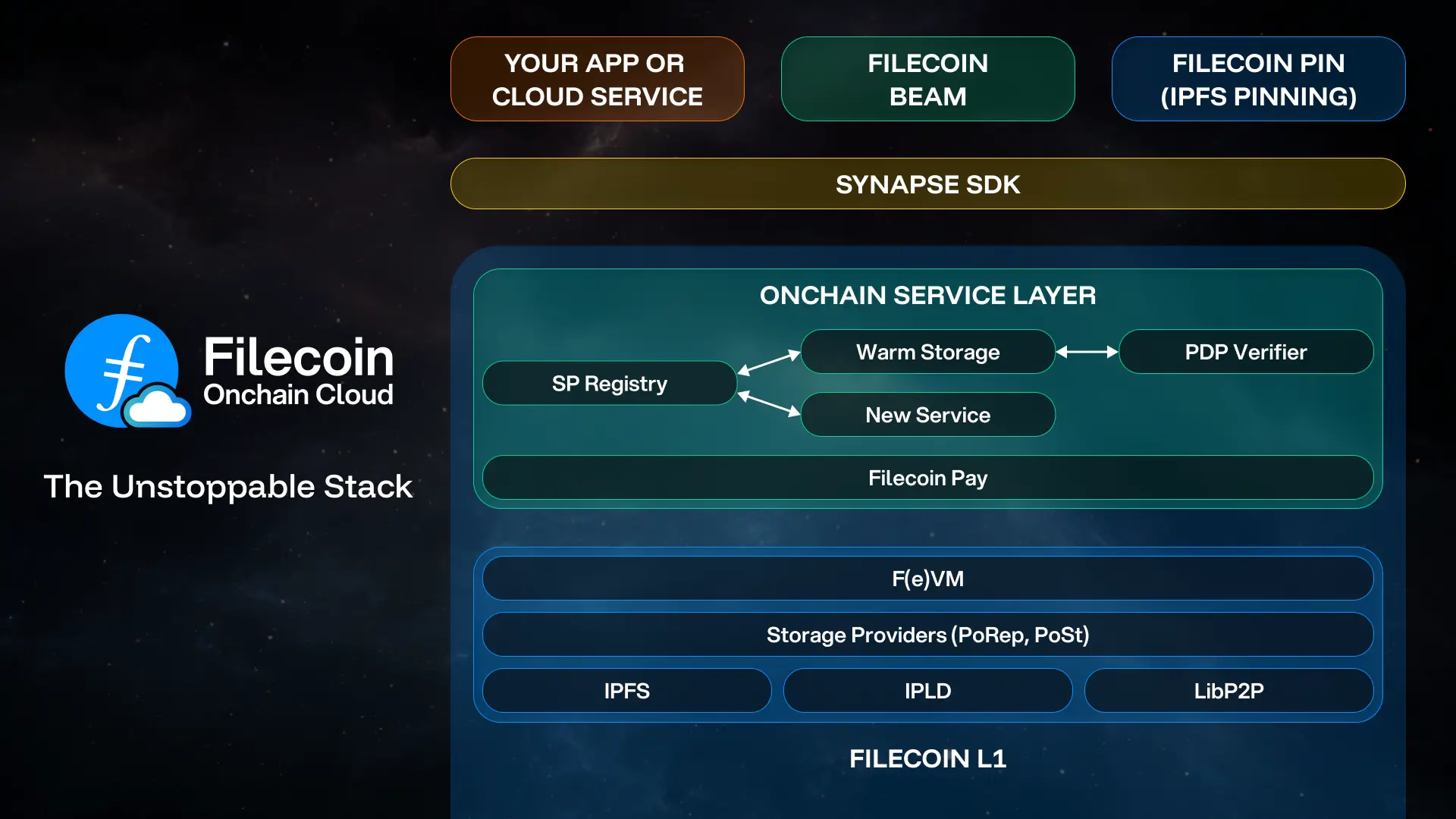
For the underlying data layer, you need reliable access to onchain events. Services that provide onchain data indexing allow your SaaS to verify subscription status in real-time. Unlike off-chain databases, onchain data offers transparent proof of payment and activity. This transparency is critical for high-stakes legal and regulatory environments where audit trails must be immutable and publicly verifiable.
Analytics and compliance monitoring
Tracking user behavior and transaction flows is essential for both product optimization and regulatory adherence. Onchain analytics tools help you monitor fund movements and detect anomalies. By integrating these insights, you can maintain a clear view of your subscription revenue streams while ensuring that your platform meets the stringent requirements of financial regulators.


As an Amazon Associate, we may earn from qualifying purchases.
Onchain Subscription SaaS FAQ
Understanding the mechanics of onchain payments and data access is essential for building a reliable Onchain Subscription SaaS infrastructure. Below are direct answers to the most common questions regarding these systems.
What are onchain payments?
Onchain payments involve transactions recorded directly on the blockchain. They are often used for high-value transfers where security and immutability are critical. Because they operate as a trustless mechanism, they eliminate the need for traditional financial intermediaries, reducing friction and improving transparency for subscription services Stripe.
How to get onchain data?
Onchain data is openly accessible through block explorers and specialized indexing services. Developers and analysts use this data to monitor fund movements, gauge market sentiment, and predict trends. For an Onchain Subscription SaaS, accessing this data allows you to verify payment status and track user activity in real time without relying on third-party confirmations.
What is the difference between onchain and offchain data?
Onchain data reflects transparent blockchain activity, such as transaction hashes and wallet balances. Offchain data, by contrast, comes from external sources like social media, traditional databases, or centralized exchanges. While onchain data proves payment execution, offchain data often provides context about user behavior or market conditions that the blockchain itself does not capture.
How to receive money onchain?
Receiving onchain payments typically involves generating a unique wallet address for each subscriber. Users can send funds to this address via their preferred wallet. Once the transaction is confirmed on the blockchain, your SaaS infrastructure can automatically recognize the payment and activate the subscription. This process ensures that access is granted only after the transaction is immutable and verified.
No comments yet. Be the first to share your thoughts!