The shift to onchain recurring payments
SaaS founders are increasingly treating onchain subscription infrastructure not as a novelty, but as a strategic upgrade to traditional fiat billing. The move is driven by the need for transparency and reduced friction in cross-border operations. Traditional payment gateways often introduce significant latency and hidden fees, particularly when dealing with international customers or volatile currency exchanges.
Onchain payments offer global reach and lower cross-border friction compared to traditional fiat gateways. By leveraging stablecoins and automated smart contract logic, businesses can streamline billing flows, reduce retry failures, and improve cash flow visibility. This approach minimizes the administrative overhead associated with manual invoicing and chargeback disputes.
As noted by Stripe, on-chain crypto allows businesses to simplify payments and improve transparency through immutable record-keeping. This shift is part of a broader onchain subscription saas strategy, where infrastructure choices directly impact operational efficiency and customer acquisition in global markets.
Build the technical backbone for onchain subscription saas strategy
Running a subscription model onchain requires more than just a payment link; it demands a robust infrastructure layer that handles recurring logic, stablecoin volatility, and automated retries. For SaaS founders, the goal is to replicate the reliability of Stripe while leveraging the transparency of blockchain. This means building systems where billing flows are deterministic, and customer data is immutable.
Recurring logic and smart contract automation
At the core of any onchain subscription strategy is the smart contract that manages the subscription lifecycle. Unlike traditional SaaS, where a database tracks renewal dates, onchain subscriptions often rely on token approvals or on-chain state machines. As noted in industry analyses, "true" onchain subscriptions involve customers approving future purchases up to a set limit, allowing merchants to pull payments non-interactively. This approach reduces friction but requires careful contract design to handle edge cases like insufficient funds or expired approvals. You need contracts that can automatically pause, resume, or terminate subscriptions based on on-chain events, ensuring your revenue stream remains predictable.
Stablecoin integration and volatility management
Stablecoins are the lifeblood of onchain SaaS billing because they eliminate the price volatility that makes crypto payments risky for recurring revenue. Integrating stablecoins like USDC or USDT requires handling on-chain transactions that are slower and often more expensive than off-chain alternatives, especially under heavy network load. Your infrastructure must support multiple chains to offer users the best balance of speed and cost. Additionally, you need mechanisms to handle failed payments gracefully. Unlike credit cards, which have automatic retry logic, on-chain transactions require explicit user interaction or complex off-chain automation layers to retry failed subscriptions. This adds complexity but ensures that your billing system doesn't lose revenue due to network congestion or user error.
Payment gateways and developer tools
To simplify this complexity, many developers turn to specialized payment gateways and infrastructure providers. These tools abstract away the low-level blockchain interactions, providing APIs that handle recurring billing, invoicing, and compliance. For example, platforms like 0xProcessing offer comprehensive guides and tools for implementing recurring crypto payments, including features for automated retries and invoice generation. By leveraging these existing solutions, you can focus on building your SaaS product rather than reinventing the wheel. However, always verify the security and audit status of any third-party contract or gateway you integrate, as the trust model shifts from corporate liability to code reliability.
Essential tools for onchain subscription management
Building an onchain subscription SaaS strategy requires more than just accepting a payment; it demands infrastructure that handles recurring billing, attribution, and automated payouts. For SaaS founders and crypto-native developers, the goal is to replicate the reliability of traditional payment processors while leveraging blockchain transparency. The right tools reduce friction for users and ensure your revenue stream is both predictable and verifiable.
Core Infrastructure Providers
The foundation of any recurring crypto payment system is a reliable processor. 0xProcessing offers a comprehensive guide to recurring crypto payments, focusing on billing flows, stablecoin support, and retry logic. Their infrastructure is designed to handle the complexities of onchain transactions, such as gas fees and network congestion, ensuring that subscription renewals don't fail due to minor blockchain hiccups. This level of reliability is critical for maintaining customer trust in a subscription model.
Attribution and Payout Automation
For SaaS products with affiliate or partner programs, accurate attribution is non-negotiable. Droplinked specializes in onchain subscription management with a strong emphasis on secure payouts and fraud prevention. By leveraging onchain data, they guarantee accurate commissions for partners, eliminating the disputes often associated with offchain tracking. This is particularly useful for B2B SaaS models where partner relationships are a key growth driver.
Comparison of Key Features
When selecting a tool, consider how it handles the specific needs of your onchain subscription saas strategy. The table below compares key features across leading platforms.
| Tool | Recurring Billing | Attribution | Supported Chains |
|---|---|---|---|
| 0xProcessing | Yes | Basic | EVM, Solana |
| Droplinked | Yes | Advanced | Multi-chain |
| Aurpay | Annual Focus | None | EVM |
How onchain infrastructure reshapes pricing
The architecture of onchain billing is forcing a rethink of the traditional flat subscription. For an onchain subscription saas strategy, the friction of recurring fiat payments is being replaced by programmable, usage-based models. Infrastructure providers are shifting toward "no-touch" API payments, where the code itself handles the transaction logic rather than relying on manual invoice cycles or static credit card holds.
This shift moves revenue models from predictable monthly fees to dynamic, consumption-driven billing. As Galaxy notes, the economics of this approach apply a "forcing function towards usage-based pricing," aligning costs directly with the value delivered by AI agents or automated workflows. This allows SaaS founders to charge per API call or per computational unit, capturing value that flat tiers often miss.
For B2B teams, annual contracts remain relevant but are adapting to crypto-native realities. Annual SaaS crypto payments pair well with large, single-transaction invoices, eliminating the need for auto-charge management and reducing churn friction. The stability of stablecoins like USDC ensures that these recurring or annual commitments retain their fiat-equivalent value, providing the predictability SaaS buyers expect while leveraging the speed of blockchain settlement.
Build your onchain subscription saas strategy
Turning recurring payments onchain requires more than just a wallet address. You need a structured workflow that handles stablecoin volatility, automated retries, and regulatory compliance. This section outlines the concrete steps to integrate onchain billing into your SaaS infrastructure.
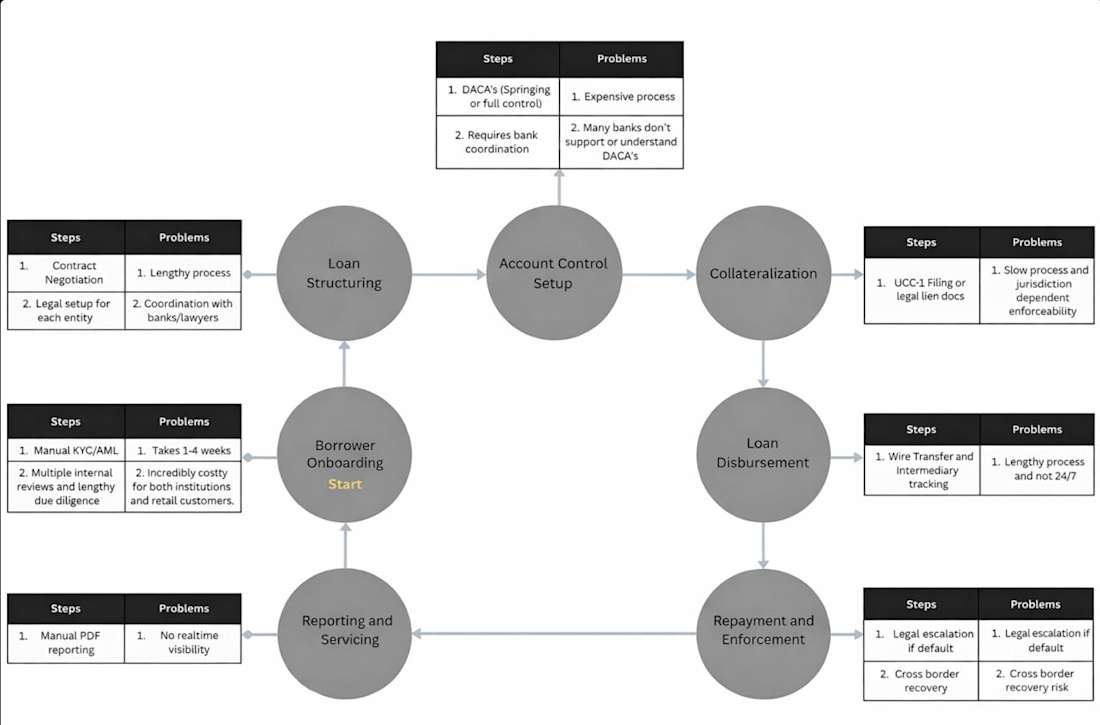
Start by choosing a gateway that supports recurring crypto payments. Providers like 0xProcessing offer specialized infrastructure for SaaS models, handling stablecoin conversions and invoicing. Ensure the gateway supports your target chains and offers API access for seamless integration with your existing billing systems.

Configure your subscription tiers and retry logic. Unlike traditional credit cards, crypto transactions can fail due to network congestion or insufficient gas. Set up automated retry mechanisms for failed payments and define clear rules for downgrading or suspending access when retries are exhausted.
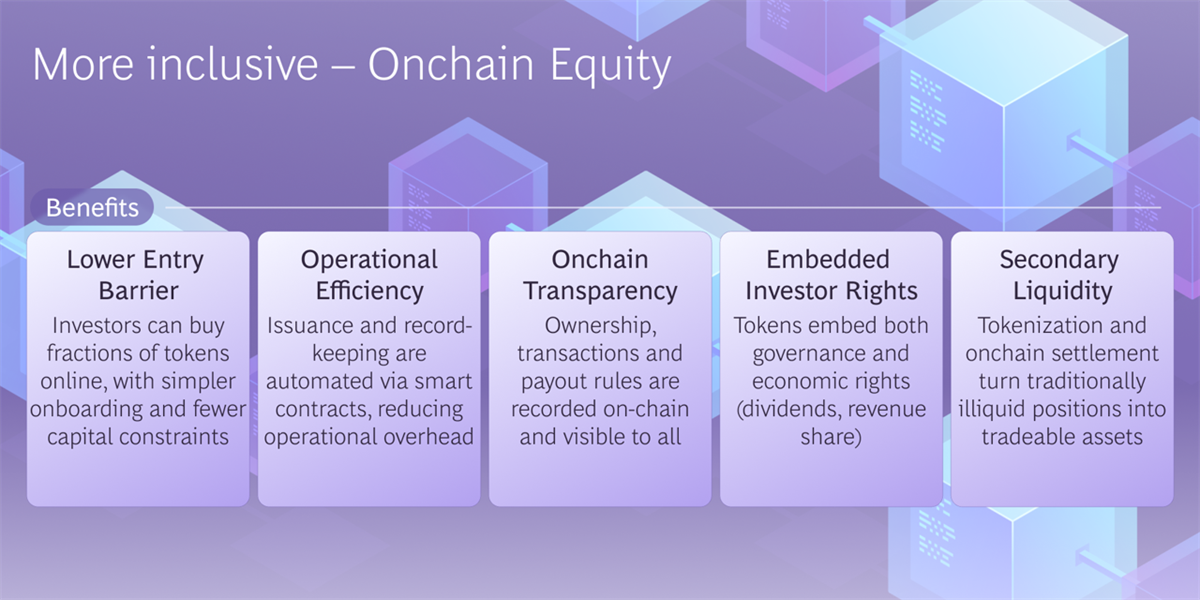
Implement robust security measures and compliance checks. Onchain data is transparent, so ensure you are not exposing sensitive customer information. Use privacy-preserving techniques where possible and adhere to KYC/AML requirements if your subscription model involves high-value transactions or regulated assets.
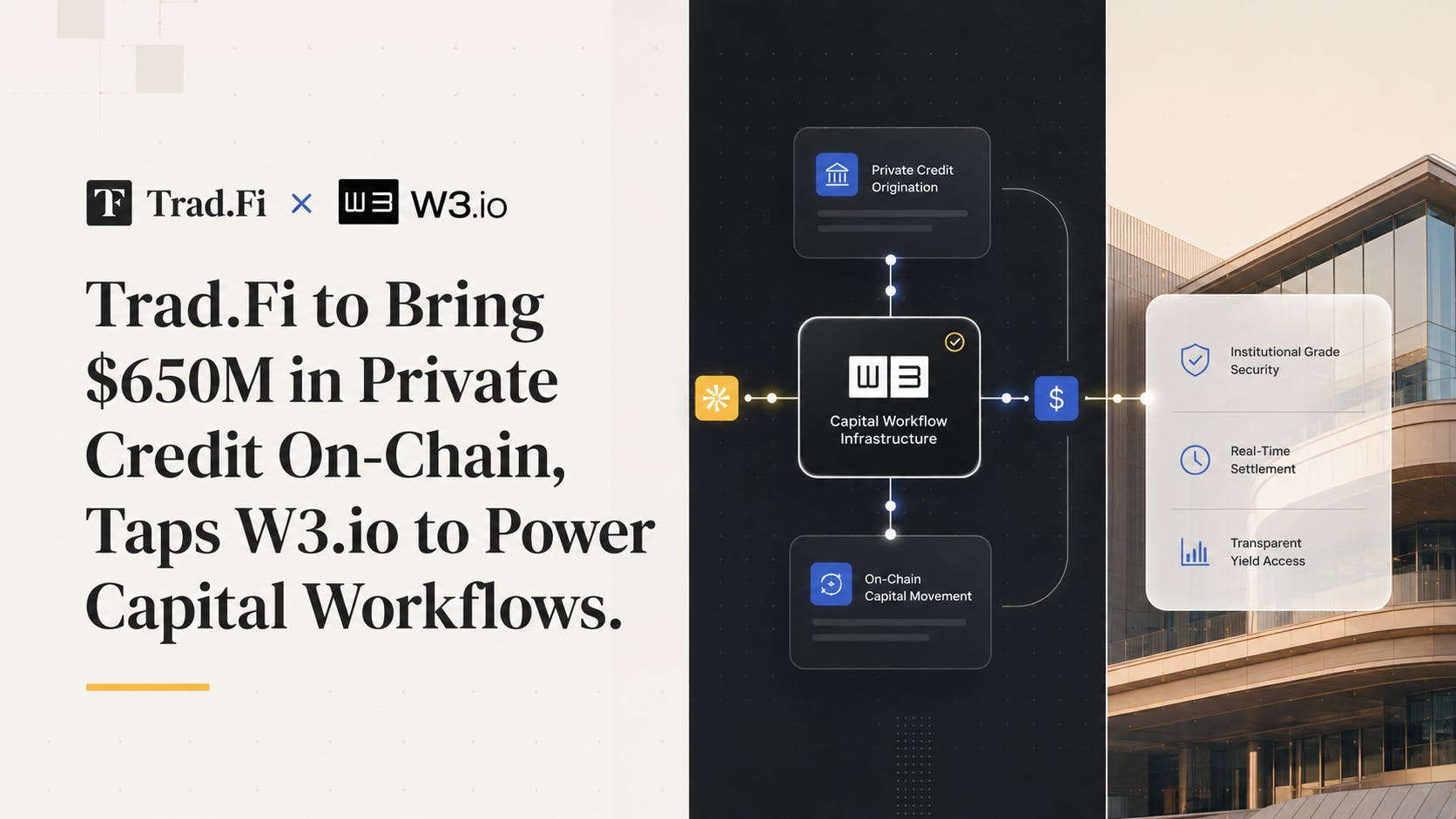
Track key metrics like subscription churn, payment success rates, and network fees. Use onchain analytics tools to monitor transaction volumes and identify bottlenecks. Regularly review your data to optimize your billing strategy and improve the customer experience.
Frequently asked questions on onchain billing
Can onchain data be manipulated?
On-chain data comprises all transactions and interactions permanently recorded on a blockchain. This data is transparent and publicly accessible, and because of the distributed ledger technology, the information cannot be altered. For an onchain subscription SaaS strategy, this immutability ensures that billing records are trustworthy and auditable by default.
What is the difference between on-chain and off-chain tokenization?
On-chain transactions are slower and often more expensive than off-chain, especially under heavy network load. Off-chain transactions happen outside the main blockchain in private channels, side networks, or internal ledgers. They often rely on some level of additional infrastructure. Choosing the right approach depends on your need for transparency versus speed and cost efficiency.
How to do onchain analysis?
Effective onchain analysis starts by understanding the blockchain data and selecting the right analytics tools. Determine key metrics that matter to your business, then use those insights for pragmatic uses like fraud prevention or market understanding. This data-driven decision-making process helps you maintain better transparency and optimize your onchain subscription SaaS strategy.
Helpful gear
Use these product recommendations as a starting point, then choose the size, material, and price point that fit how you actually use the gear.

As an Amazon Associate, we may earn from qualifying purchases.
No comments yet. Be the first to share your thoughts!