Why onchain subscriptions matter now
The traditional SaaS billing model is hitting a wall. For years, credit cards have been the default payment method, but they introduce friction that doesn't belong in a digital-first world. High decline rates, cross-border fees, and the constant churn of expired cards create a leaky bucket for recurring revenue. For AI agents and global digital services, these legacy rails are too slow and too expensive.
Onchain subscription SaaS models offer a different path. By moving payments on-chain, businesses can settle transactions directly between wallets without the heavy toll taken by intermediaries. This isn't just about using crypto; it's about using a payment network that is accessible to anyone with an internet connection, regardless of their banking infrastructure.
This shift is critical for the next wave of digital products. AI agents, for instance, need to pay for compute, data, and services autonomously. They cannot fill out credit card forms or manage subscription cancellations through email confirmations. Onchain payments allow these agents to operate seamlessly, paying for resources in real-time with stablecoins like USDC, which maintain value stability while offering the speed of blockchain settlement.
The result is a lower-friction ecosystem. Subscriptions become less about managing payment methods and more about managing access. As the market evolves, the ability to accept onchain recurring payments will likely separate the agile, global-native SaaS platforms from those still tethered to the legacy banking system.
Core Infrastructure for Onchain Subscription SaaS
Building an onchain subscription SaaS requires a technical stack that bridges traditional recurring billing logic with decentralized settlement. Unlike traditional SaaS, where a payment processor handles the heavy lifting of retries and token management, onchain infrastructure demands explicit smart contract logic, account abstraction for user experience, and reliable payment gateways to handle off-ramping or stablecoin settlement.
Smart Contracts and Automation
At the heart of any onchain subscription model is the smart contract, which acts as the immutable ledger of entitlements. These contracts must handle the core logic: verifying if a subscription is active, managing access rights, and executing the recurring charge. However, smart contracts are stateless and cannot initiate transactions on their own. This is where automation layers come in. Protocols like Uniswap V4 hooks or specialized relayer networks allow for "set-and-forget" billing, where a user approves a spending limit once, and the system automatically executes the recurring payment without requiring a new signature for every invoice.
Account Abstraction for Frictionless UX
For an onchain subscription SaaS to compete with Stripe or Paddle, the user experience must be seamless. Traditional wallets require manual gas payments and complex signing processes for every transaction, which is a major barrier for recurring billing. Account Abstraction (ERC-4337) solves this by allowing smart contracts to act as wallets. This enables features like sponsored transactions (where the SaaS pays the gas fees) and session keys (allowing users to approve a month of payments with a single signature). This abstraction layer is critical for reducing churn, as it removes the friction of managing crypto wallets for every billing cycle.
Payment Gateways and Stablecoins
While smart contracts handle the logic, payment gateways handle the settlement. Most onchain subscriptions rely on stablecoins (like USDC or USDT) to avoid the volatility of native tokens like ETH. Gateways such as 0xProcessing or Sphere Pay provide the infrastructure to convert fiat to crypto, manage merchant payouts, and handle compliance (KYC/AML) if necessary. These gateways often provide APIs that integrate directly with the SaaS backend, allowing developers to treat onchain payments with the same ease as traditional credit card processing.
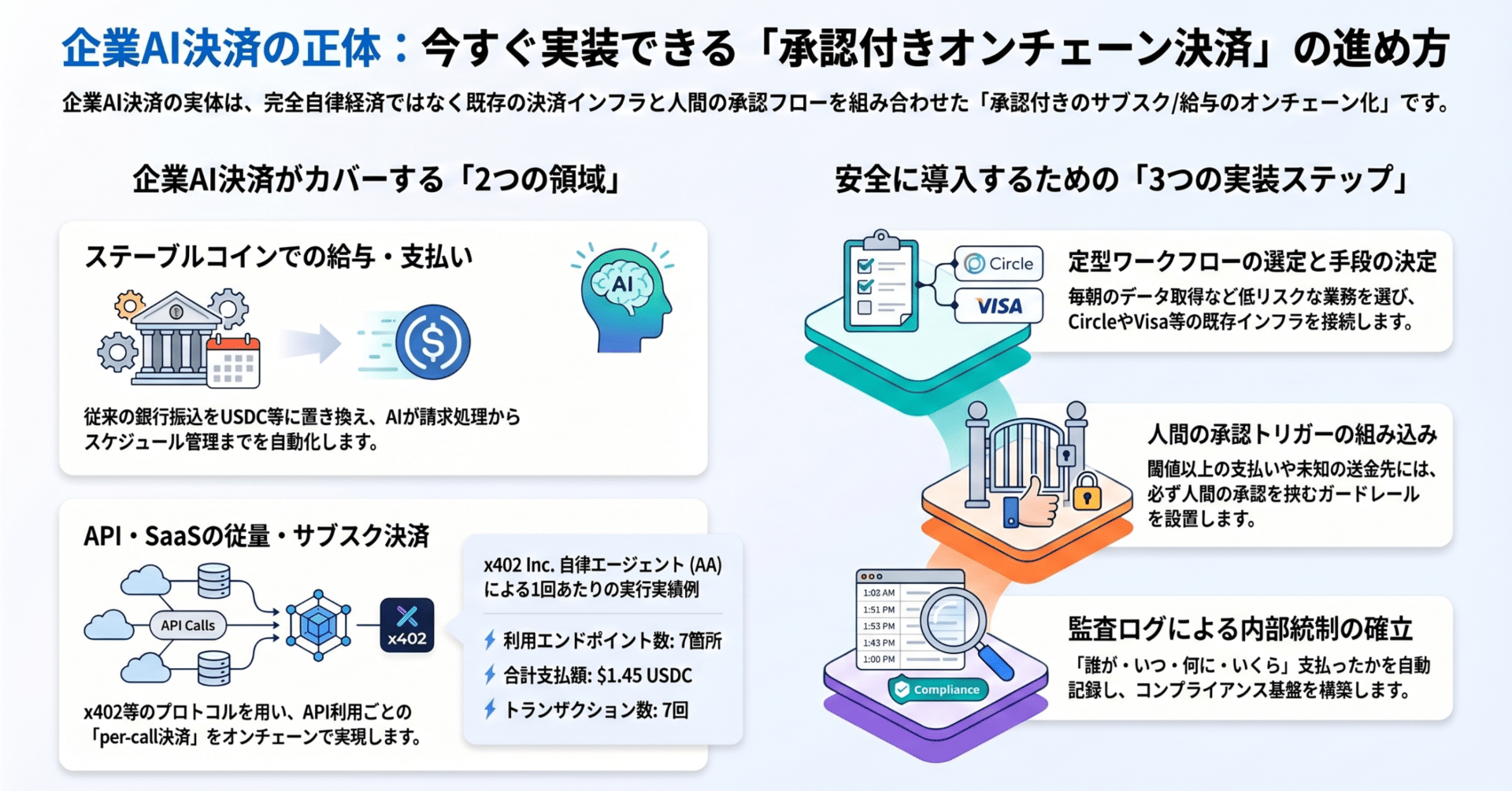
Comparing Onchain vs. Traditional Billing Infrastructure
The shift to onchain subscription SaaS is not just about technology; it is about a fundamental change in how value is exchanged. Below is a comparison of the core infrastructure differences.
| Feature | Traditional SaaS (Stripe/Paddle) | Onchain Subscription SaaS |
|---|---|---|
| Settlement Speed | T+2 to T+3 days | Near-instant (minutes/seconds) |
| Cross-Border Fees | 1-3% + FX fees | Network gas fees (often <1%) |
| Chargebacks | High risk, manual dispute | Irreversible transactions (no chargebacks) |
| Accessibility | Requires bank account/credit card | Requires crypto wallet (or custodial) |
| Automation | Processor handles retries | Smart contracts + relayers for auto-renewal |
AI agent monetization models
AI agents are shifting from experimental prototypes to revenue-generating SaaS products by adopting onchain subscription models. This transition allows agents to operate autonomously, handling everything from user authentication to service delivery without human intervention. By leveraging smart contracts, developers can create micro-transaction systems that charge users only for the compute or API calls they actually use, rather than forcing them into rigid monthly tiers.
Token-gated access is becoming the standard for these services. Instead of managing passwords and credit cards, users connect their wallets to verify eligibility. This approach reduces friction and fraud while enabling global access. For complex B2B workflows, annual SaaS subscriptions in crypto offer a defensible alternative to traditional payment processors, lowering transaction fees for high-volume users.
Automated service delivery ensures that once payment is confirmed, the agent immediately begins its task. This seamless loop is powered by smart accounts that can enforce spending limits and track usage in real time. The result is a scalable infrastructure where AI agents can operate 24/7, billing and delivering value simultaneously.

The volatility of crypto assets can impact subscription pricing, making it essential to monitor market trends. Understanding these dynamics helps developers choose the right stablecoin or token for their billing infrastructure.
Market research and adoption trends
The shift toward onchain subscription SaaS is no longer a speculative niche; it is a measurable response to the friction of traditional billing. While the global SaaS market continues its steady expansion, the integration of blockchain infrastructure addresses a specific pain point: the latency and opacity of cross-border payments. By moving subscription management onto the blockchain, companies can settle invoices in real-time, bypassing the multi-day clearing periods that often plague international B2B relationships.
This adoption is driven by the need for transparency and automated compliance. On-chain payments move money directly between digital wallets, verified and settled on the blockchain network without third-party intermediaries. For SaaS providers, this means reduced chargeback risks and instant revenue recognition. The data supports this shift, with early adopters reporting significant reductions in administrative overhead and improved cash flow predictability.
To understand the broader financial environment influencing this trend, it helps to look at the underlying asset performance. The volatility and liquidity of the crypto markets directly impact the stability of onchain billing solutions. Providers are increasingly using stablecoins or wrapped assets to mitigate price swings, ensuring that subscription fees remain predictable for both the buyer and the seller.
Onchain Subscription SaaS implementation checklist
Launching an onchain subscription model requires more than just adding a wallet button. You need a clear path from user signup to recurring settlement. This checklist covers the essential legal, technical, and user experience steps to build a reliable system.
Choose your base currency. Most SaaS founders prefer stablecoins like USDC to avoid volatility risks. Decide if you will use allowances (ERC-20) for automatic recurring charges or require manual transactions for each billing cycle. Clear logic prevents failed payments and user confusion.
Integrate a provider that handles recurring crypto payments and compliance. Services like 0xProcessing or Orb can manage retries, invoicing, and tax reporting. This ensures your platform meets regulatory standards without building complex infrastructure from scratch.
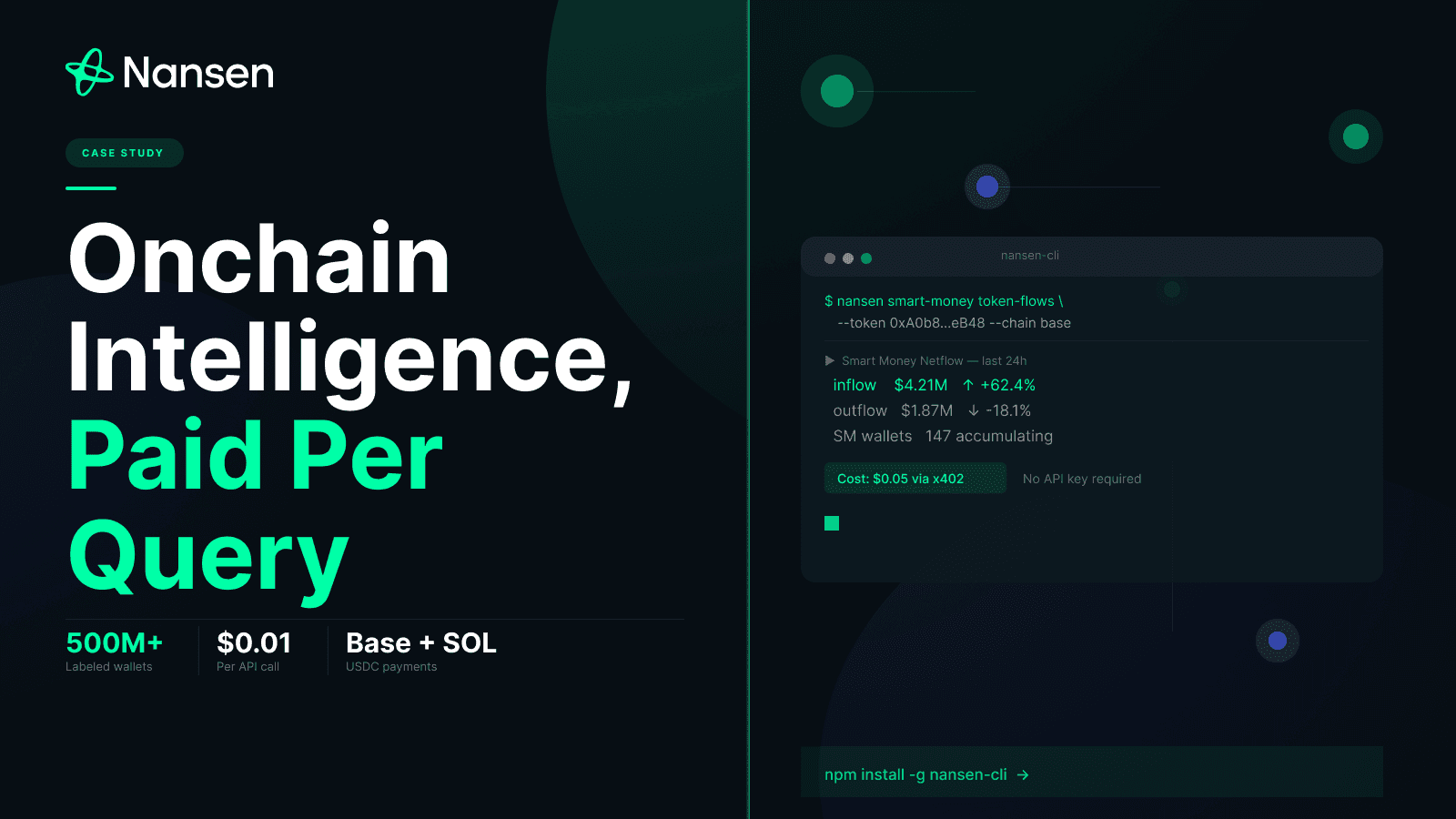
Abstract the blockchain complexity. Users should not need to understand gas fees or network selection. Use smart wallets or account abstraction to sponsor transactions where possible. The goal is to make onchain payments feel as simple as entering a credit card number.

Set up real-time dashboards to track subscription renewals and failures. Onchain transactions are irreversible, so you need immediate visibility into failed attempts. Integrate email or SMS notifications to alert users when a payment fails, giving them a chance to update their payment method.
By following these steps, you can launch an onchain subscription SaaS that is both technically sound and user-friendly. The key is to prioritize reliability and simplicity over raw decentralization features.
Frequently asked: what to check next
What are onchain payments?
Onchain payments move money directly between digital wallets without third-party intermediaries. The blockchain itself acts as the payment network, verifying and settling transactions transparently. For an onchain subscription SaaS guide, this means your recurring billing infrastructure sits directly on the ledger, reducing friction and improving auditability for both you and your customers. Stripe outlines how this direct settlement simplifies modern payment flows.
How to get onchain data?
Onchain data is openly accessible through block explorers and specialized analytics platforms. You can monitor how funds move across the network to gauge market sentiment or track user activity for your SaaS product. This transparency allows you to verify subscription statuses and detect anomalies in real-time. According to Coinbase, leveraging this data helps predict trends and identify transaction opportunities.
Is onchain billing secure?
Security in onchain subscriptions relies on smart contract integrity and private key management. While the blockchain is immutable, the code governing your subscription logic must be audited to prevent exploits. Unlike traditional credit card processing, there are no chargebacks, which protects your revenue but requires robust error-handling protocols for failed transactions.
No comments yet. Be the first to share your thoughts!