What onchain subscriptions actually are
An onchain subscription is a recurring payment contract where the settlement happens directly on a public blockchain, typically using stablecoins like USDC. Unlike traditional off-chain billing, which relies on card networks to authorize and route fiat currency, these subscriptions are "agentic" payments. This means the paying party is an autonomous program rather than a person tapping a phone at a checkout counter.
This distinction matters for two main reasons: transparency and friction reduction. When you subscribe to a service off-chain, you hand over your card details to a merchant who stores them in a database. If that database is breached, your financial data is exposed. Onchain, the subscription logic is often embedded in smart contracts or managed by specialized payment rails that execute recurring transfers without storing sensitive card info.
The process works by locking in a recurring obligation. The subscriber’s wallet or an embedded finance account automatically releases funds at set intervals. Because the settlement is on-chain, both the payer and the payee can verify the transaction in real-time on the blockchain explorer. There is no waiting for batch processing or dealing with chargebacks in the traditional sense; the transaction is final once confirmed. This makes it particularly useful for SaaS tools that want to offer instant access without the latency of bank transfers or the fees of credit card processors.
Core infrastructure for recurring billing
Running a subscription onchain requires three distinct layers working in tandem. You need smart contracts to enforce the logic, payment gateways to handle fiat on-ramps, and wallet infrastructure to manage user identity. If any one of these fails, the subscription breaks. Think of it like a traditional SaaS stack, but instead of Stripe and Auth0, you are dealing with immutable code and self-custodied assets.
Smart contracts for billing logic
The foundation is the smart contract. This code defines the rules: how often the user pays, which token is accepted (usually a stablecoin like USDC), and what happens when a payment fails. Unlike traditional subscriptions, you cannot simply retry a failed card charge automatically without user interaction. Instead, the contract must track the last payment timestamp and trigger a "renewal" action. Some chains, like Solana, now offer native subscription programs that simplify this by allowing users to grant allowances that can be pulled automatically. For EVM chains, you typically rely on ERC-20 approvals or specialized libraries like those from Unlock Protocol to handle the recurring logic. The contract must also be secure; a bug here means lost revenue or exploited allowances.
Payment gateways for fiat on-ramps
Most users do not want to buy crypto manually before subscribing. This is where payment gateways like 0xProcessing or Stripe’s crypto solutions come in. They act as the bridge, accepting fiat currency (USD, EUR) and converting it into crypto on the backend. The gateway handles the complex compliance and banking relationships, then settles the payment onchain in stablecoins. This layer is critical for user adoption. Without a smooth on-ramp, your subscription model remains too friction-heavy for mainstream users. The gateway also often handles the "retry" logic, attempting to charge the user’s card again if the initial transaction fails, and only committing the onchain subscription once the fiat is secured.
Wallet infrastructure for user management
Finally, you need a way to manage user wallets. Traditional SaaS uses email and password; onchain SaaS uses wallets. However, requiring users to manage seed phrases is a massive barrier. Modern wallet infrastructure, such as Openfort or Privy, provides "smart wallets" or account abstraction solutions. These allow users to create wallets via email or social login, with the backend handling the cryptographic signatures. This layer manages the user’s identity and their ability to sign transactions for subscription renewals. It abstracts away the complexity of blockchain, making the experience feel familiar while retaining the security and ownership benefits of onchain assets.
Comparing infrastructure providers
Choosing the right stack depends on your target chain and user base. Below is a comparison of key infrastructure providers across the three core layers.
Top tools for onchain subscription SaaS
Building a subscription model on-chain requires more than just a wallet address. You need infrastructure that handles recurring billing, stablecoin settlement, and automated retries when a user’s balance is low. The right tool stack turns complex blockchain interactions into a predictable revenue stream.
0xProcessing
0xProcessing is built specifically for SaaS and subscription models. It handles the complexity of recurring crypto payments, including invoicing, stablecoin support, and compliance checks. If your primary goal is to accept recurring payments without building a custom smart contract backend, this is a strong starting point.
Stripe On-Chain
Stripe has expanded its infrastructure to include on-chain crypto payments. This option is ideal if you already use Stripe for fiat subscriptions. It allows you to simplify payments and minimize friction by letting users pay with crypto while you settle in stablecoins or fiat. It bridges the gap between traditional SaaS billing and on-chain settlements.
Monetizely
For B2B SaaS companies, Monetizely offers a structured approach to navigating cryptocurrency payments. Their framework helps you manage the unique challenges of B2B crypto transactions, including higher transaction values and stricter compliance needs. It is less of a plug-and-play widget and more of an advisory layer for integrating crypto into existing B2B workflows.
Essential Developer Resources
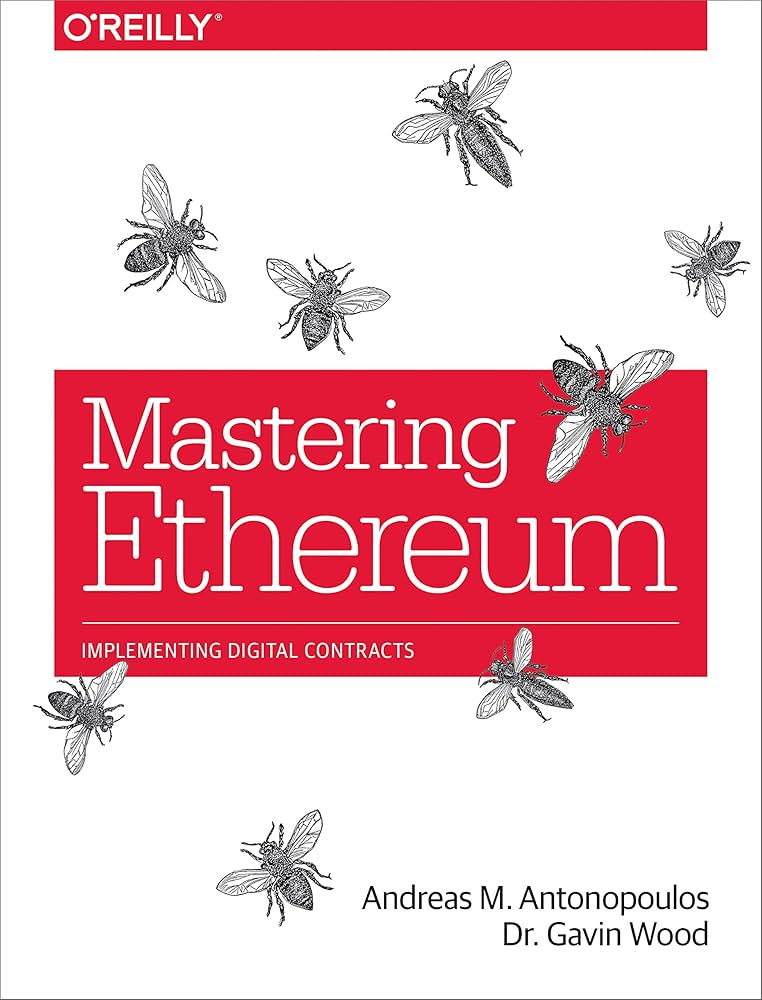
While you integrate these tools, having a solid understanding of on-chain mechanics can save you from costly mistakes. The following books and guides provide the foundational knowledge needed to manage keys, understand gas fees, and secure your subscription logic.


As an Amazon Associate, we may earn from qualifying purchases.
Designing the user payment flow
A smooth onchain subscription experience relies on a clear, linear journey. Unlike traditional credit card billing, web3 payments require explicit user intent for every step, from connecting a wallet to approving recurring allowances. Getting this flow right reduces friction and builds trust with your users.

Start by prompting the user to connect their wallet. Use a familiar interface that supports multiple providers (e.g., MetaMask, Phantom, WalletConnect). Ensure the connection state is persistent across page reloads so users don’t have to reconnect every time they visit your dashboard.
Once connected, the user must approve the recurring payment allowance. This is typically done using an ERC-20 token like USDC. The transaction should clearly display the subscription amount, frequency, and the smart contract address handling the funds. Transparency here is critical to prevent user anxiety about unauthorized charges.

Network congestion or insufficient balance can cause initial transactions to fail. Implement a robust retry mechanism that checks the transaction status on-chain. If a payment fails, notify the user immediately via email or in-app notification, giving them a simple way to update their payment method or retry the transaction without losing access to their subscription.
Allow users to cancel their subscription directly from the dashboard. Onchain, this usually involves revoking the token allowance or calling a cancel function on the subscription contract. Ensure the cancellation is immediate and that any remaining balance or prorated refunds are handled according to your policy, with the transaction hash provided for proof.
By focusing on these four core steps, you create a payment flow that feels as reliable as traditional SaaS billing, while leveraging the transparency and control of blockchain technology.
Common questions about onchain billing
Onchain billing changes how subscriptions are processed, but the core mechanics are straightforward. Here are answers to the most frequent questions from developers and business owners adopting onchain SaaS.
No comments yet. Be the first to share your thoughts!