Defining onchain subscription SaaS
Onchain subscription SaaS shifts B2B recurring billing from traditional banking rails to public blockchains. Instead of relying on ACH transfers or card networks that settle over days, these systems use smart contracts or specialized gateways to automate recurring payments directly between digital wallets. This distinction matters because it changes how you handle settlement times, currency volatility, and cross-border compliance.
The core difference lies in the settlement layer. Traditional SaaS billing treats payment as a separate event from service delivery. Onchain subscriptions embed the billing logic into the contract itself. When a subscription cycle ends, the smart contract verifies the payment status and either grants access or revokes it, all on-chain. This reduces the friction of manual invoicing and reduces the risk of failed payments due to expired cards or bank holidays.
For finance professionals, this means moving from a "pay and hope" model to a verifiable, real-time ledger. However, it also introduces new operational complexities. You must manage gas fees, stablecoin liquidity, and potential network congestion. The goal isn't just to accept crypto; it's to create a reliable, automated revenue stream that works across borders without the 2-3 day settlement lag of traditional wire transfers.
To understand the current market context for these underlying assets, it helps to see how major cryptocurrencies perform, as many onchain subscription models rely on stablecoins or volatile assets for treasury management.
Comparing payment rails for SaaS
Choosing the right infrastructure depends on your tolerance for blockchain complexity versus operational friction. Three providers dominate the current landscape for B2B recurring payments: Stripe Crypto, Aurpay, and 0xProcessing. Each handles the "last mile" of crypto-to-fiat settlement differently, which directly impacts your effective fee structure and accounting overhead.
The following table breaks down the core operational differences. Stripe offers the lowest barrier to entry for traditional SaaS stacks but charges a premium for crypto conversion. Aurpay and 0xProcessing focus on native onchain efficiency, often requiring more custom integration work but offering lower baseline fees for high-volume B2B transactions.
| Provider | Fees | Supported Chains | Recurring Logic |
|---|---|---|---|
| Stripe Crypto | 2% + 0.05% per transaction | ETH, Polygon, Arbitrum, Base | Native via Stripe Billing |
| Aurpay | 0.5% + network gas | Multi-chain (EVM + Solana) | Custom subscription engine |
| 0xProcessing | 0.3% + network gas | Multi-chain (EVM focus) | Automated retry & invoicing |
Stripe Crypto is the safest bet if you already use Stripe for fiat. It handles the conversion to stablecoins or fiat automatically, removing the need to manage wallet infrastructure. However, the 2% fee is significantly higher than direct onchain processing. For companies processing over $100k monthly, this margin erosion adds up quickly.
Aurpay and 0xProcessing are built for native onchain workflows. They allow you to keep funds in stablecoins or convert them to fiat on your own terms. Aurpay’s multi-chain support (including Solana) offers flexibility for diverse client bases, while 0xProcessing focuses heavily on automated retry logic for failed subscriptions—a common pain point in B2B crypto billing.
Analyzing fee structures and margins
The financial case for onchain subscription rails centers on a simple arbitrage: replacing high-percentage card processing fees with near-zero network costs. For B2B SaaS companies running annual contracts, this shift doesn't just reduce overhead; it fundamentally alters the margin profile of recurring revenue.
Traditional card networks typically charge between 2.9% and 3.5% per transaction, plus a fixed cent fee. On a $24,000 annual contract, that translates to $696 to $840 in lost revenue per customer every year. Onchain stablecoin payments, by contrast, usually cost less than 0.1% in gas and settlement fees, regardless of the transaction size. The savings compound quickly across a growing subscriber base.
The impact is most visible in the net margin. While card processors take their cut before the money hits your bank account, onchain settlement is direct. For a company with $5M in ARR, switching 50% of annual subscriptions to onchain rails can recover over $30,000 in pure margin annually, without any change to pricing or customer acquisition strategy.
This isn't just about lower fees; it's about cash flow velocity. Card settlements can take two to three days to clear, with additional holds for new merchants. Onchain settlements are final in seconds. This liquidity improvement allows finance teams to reinvest working capital faster, effectively creating a hidden margin boost through improved capital efficiency.
Implementing recurring billing flows
Setting up automated onchain subscriptions requires a precise blend of technical configuration and financial discipline. Unlike traditional fiat gateways, onchain billing involves managing wallet connectivity, stablecoin volatility, and network congestion directly. To build a reliable system, you must move beyond simple transfers and implement a structured billing engine that handles retries, compliance, and settlement automatically.
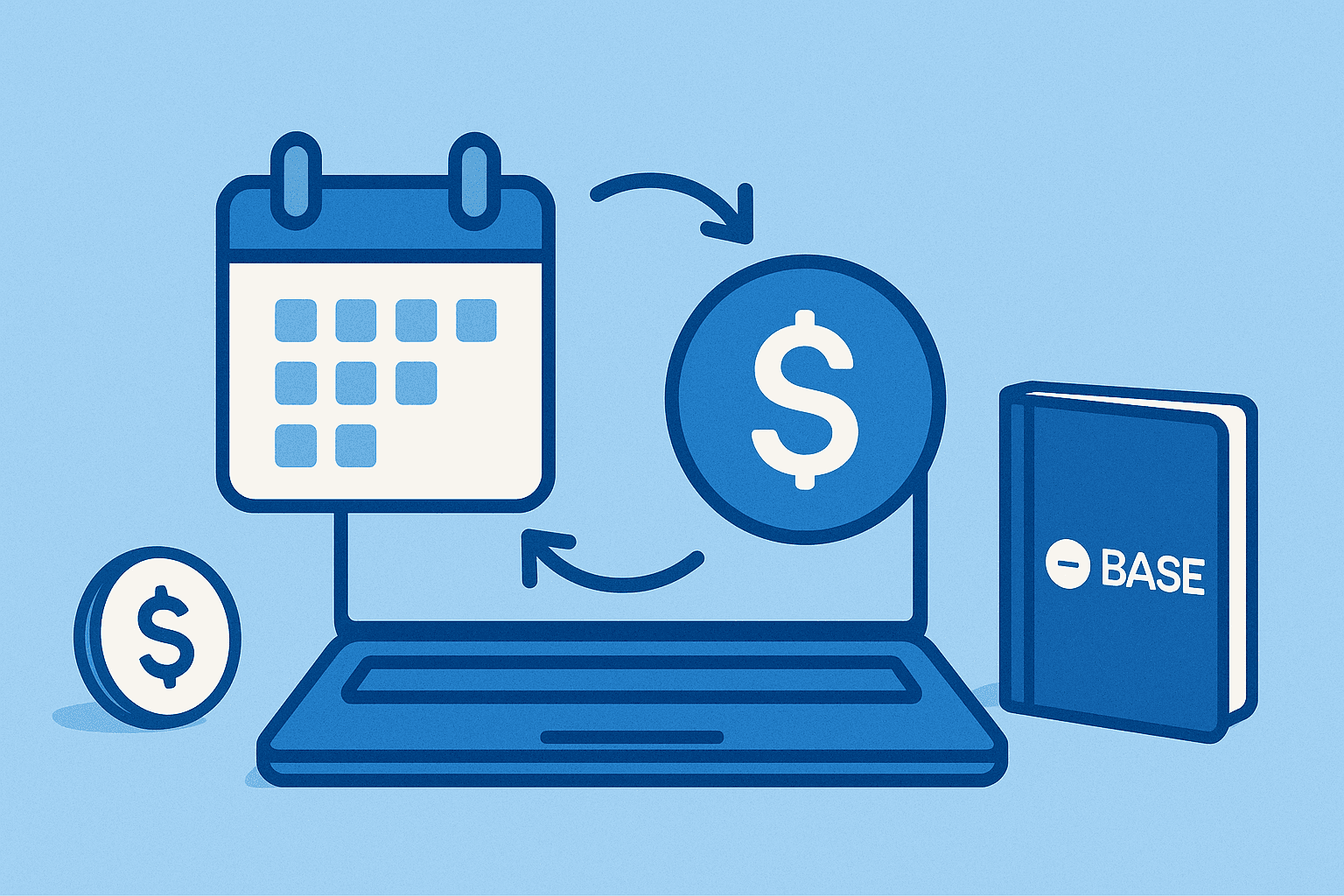
The foundation of any onchain subscription is the choice of currency. For B2B SaaS, USDC on Ethereum or Polygon is the standard because it minimizes exchange rate risk for both the provider and the client. Unlike volatile assets like Bitcoin, stablecoins allow you to price your software in familiar terms. Ensure your smart contracts or payment gateway only accepts whitelisted stablecoins to prevent settlement errors caused by price slippage.
You need to integrate a specialized onchain billing provider or deploy custom smart contracts that handle recurring logic. This step involves setting up the initial subscription agreement on-chain, which defines the billing cycle (e.g., monthly) and the amount. Most modern solutions use a "pull" payment model where the merchant requests payment from the customer's wallet, reducing failed transactions compared to "push" models where customers must manually pay every cycle.

Network congestion and gas fees often cause initial transactions to fail. Your system must include robust retry logic that automatically attempts to process the payment at different gas prices over a set window, typically 24-48 hours. If the payment fails after multiple attempts, the system should pause the subscription and notify the client, rather than immediately cutting off access. This grace period is critical for maintaining customer retention in a volatile technical environment.

Finally, establish a monitoring layer that reconciles onchain transactions with your internal ledger. Because blockchain transactions are irreversible, any errors in contract deployment or wallet address mapping result in permanent loss. Use block explorers or API services to verify that each recurring payment has been confirmed on-chain before provisioning access to your SaaS product. This ensures your revenue recognition matches actual settled funds.
By following these steps, you create a billing flow that is transparent, automated, and resistant to the friction points common in traditional cross-border payments.
Market trends and adoption signals
B2B SaaS is becoming the primary use case for onchain recurring payments. Unlike consumer crypto, which often struggles with volatility, SaaS billing relies on stablecoins to provide predictable revenue streams. This shift allows software companies to bypass traditional payment rails, reducing friction for international clients and lowering transaction costs significantly.
The operational reality is clear: on-chain subscriptions offer transparency that off-chain ledgers cannot match. Every payment is recorded immutably on the blockchain, simplifying reconciliation and audit trails. As Stripe and other major processors begin integrating on-chain capabilities, the infrastructure for these payments is maturing rapidly, making it a viable alternative for modern finance teams.
To understand the financial impact, it helps to look at the underlying asset volatility and network costs that drive these decisions. The chart below illustrates the price stability of major stablecoins, which are the backbone of this billing model.
Common questions on onchain billing
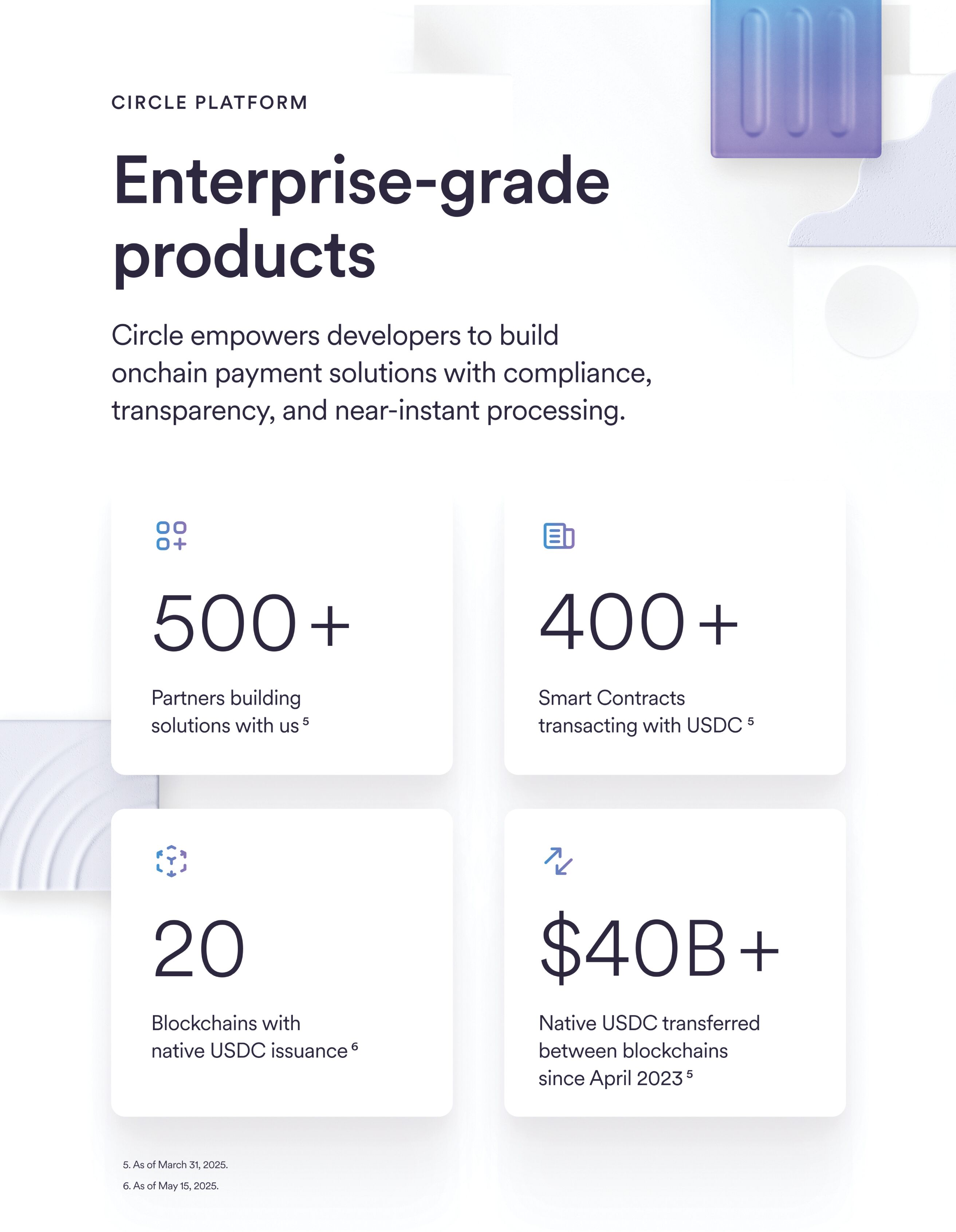
Onchain payments move funds directly between digital wallets, with verification and settlement handled entirely by the blockchain network. This removes third-party intermediaries from the core transaction flow, making the ledger itself the payment processor. While this offers transparency, it introduces specific operational differences compared to traditional offchain methods.
Understanding these mechanics helps teams choose the right rails. Onchain offers immutable audit trails and reduced counterparty risk, while offchain provides cost predictability and speed. The choice depends on whether your priority is transparency or transaction efficiency.
No comments yet. Be the first to share your thoughts!