The Shift to Recurring Onchain Revenue
The cryptocurrency landscape is undergoing a structural change. For years, the primary interaction model was transactional: buy, sell, or swap. This one-off nature created significant friction for building sustainable software-as-a-service (SaaS) businesses on-chain. High gas fees and transaction latency made recurring payments impractical, effectively locking out the subscription models that drive predictable revenue in traditional tech.
That dynamic is reversing. With gas fees dropping and infrastructure maturing, developers can now build true recurring revenue streams directly on-chain. This shift is particularly critical for AI-native services, which often require continuous, automated billing for compute resources. The ability to charge small, frequent amounts without prohibitive costs unlocks a new class of onchain SaaS products.
Solana recently addressed these historical bottlenecks with a new native billing program. This infrastructure allows developers to implement subscriptions, payroll, and even AI spending limits directly on-chain. By solving the latency and gas issues that previously made recurring payments infeasible, this update marks a turning point for onchain subscription SaaS.
This evolution is not just about convenience; it is about viability. As the market moves toward utility-driven adoption, the ability to sustainably monetize onchain services will separate robust platforms from speculative experiments. The infrastructure is finally catching up to the business logic.
Comparing onchain subscription infrastructure
Building a recurring revenue model on-chain requires choosing the right stack for your specific constraints. The landscape splits into three distinct approaches: native protocol features, specialized SaaS wrappers, and enterprise-grade compliance layers. Each serves a different stage of product maturity, from early-stage developer experimentation to regulated financial operations.
Native protocol billing
Solana recently introduced native subscription billing, allowing developers to create recurring payment programs directly within the protocol. This approach minimizes gas overhead and smart contract complexity by leveraging native account structures rather than custom ERC-20 or SPL token logic. It is ideal for high-frequency, low-value transactions where speed and cost efficiency are paramount. However, it lacks the built-in compliance tools required for regulated financial products.
Specialized SaaS providers
Platforms like Stripe and Coinbase Commerce offer wrapped solutions that abstract the blockchain complexity. These services handle wallet abstraction, fiat on-ramps, and user authentication, making them accessible to traditional SaaS teams. They trade some decentralization benefits for ease of integration and broader payment method support. This model suits projects prioritizing user acquisition and fiat liquidity over pure onchain transparency.
Enterprise compliance layers
For projects handling institutional capital or regulated assets, compliance-first infrastructure is non-negotiable. Providers like Chainalysis integrate directly into SaaS workflows to provide KYC/AML checks and transaction monitoring. This ensures that subscription flows meet legal standards without requiring the core product team to build compliance from scratch. It adds necessary friction for security but is essential for any serious financial application.
| Provider | Type | Compliance Tools | Best For |
|---|---|---|---|
| Solana Native | Protocol | None | Low-cost recurring payments |
| Stripe/Coinbase | SaaS Wrapper | Basic KYC | Fiat onboarding |
| Chainalysis | Enterprise SaaS | Full KYC/AML | Regulated finance |
Analyzing network health and subscription metrics
Onchain Subscription SaaS Analysis works best when the purchase path is explicit. Verify the source, compare the offer against real alternatives, check the total cost, and confirm what happens after payment before you decide. After each comparison, write down the one risk that would change your mind. If the seller, condition, support, warranty, shipping, or upkeep still feels uncertain, resolve that question before moving to checkout.
The simplest way to use this section is to verify the seller, compare the total cost, and resolve the biggest risk before you commit.
Risks and compliance in onchain billing
Onchain Subscription SaaS Analysis works best as a clear sequence: define the constraint, compare the realistic options, test the tradeoff, and choose the path with the fewest hidden costs. That order keeps the advice usable instead of decorative. After each step, pause long enough to check whether the recommendation still fits the reader's actual situation. If it depends on perfect timing, unusual access, or a best-case budget, include a simpler fallback.
The simplest way to use this section is to write down the real constraint first, compare each option against it, and choose the path that still works outside ideal conditions.
Build your onchain subscription stack
Building a reliable onchain subscription model requires bridging the gap between traditional recurring billing logic and blockchain constraints. Historically, high gas fees and transaction latency made micro-recurring payments impractical for standard SaaS pricing. The infrastructure landscape has shifted significantly in 2026, with native programs now handling the heavy lifting of state management and fee abstraction.
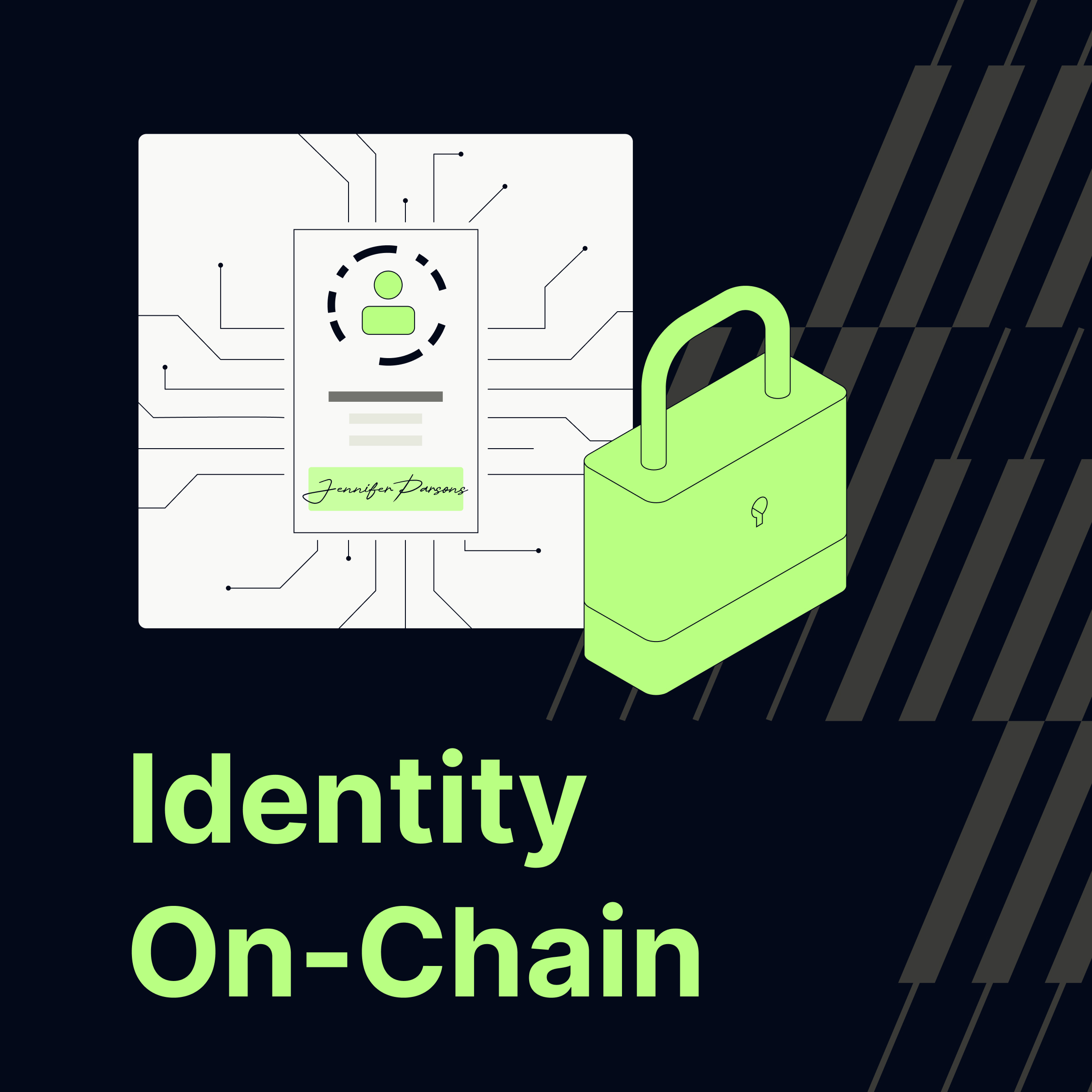
Prioritize chains with native subscription modules, such as Solana’s recent on-chain billing program. These programs allow developers to define recurring payments, payroll structures, and spending limits directly in the protocol layer, removing the need for complex off-chain relayers or expensive ERC-4337 account abstraction bundles.

Configure your smart contracts to accept stablecoins (USDC, USDT) for predictable revenue forecasting. Ensure your integration handles on-chain data integrity through trusted oracles if you need to verify external subscription status, though native programs often eliminate this dependency by keeping state on-ledger.
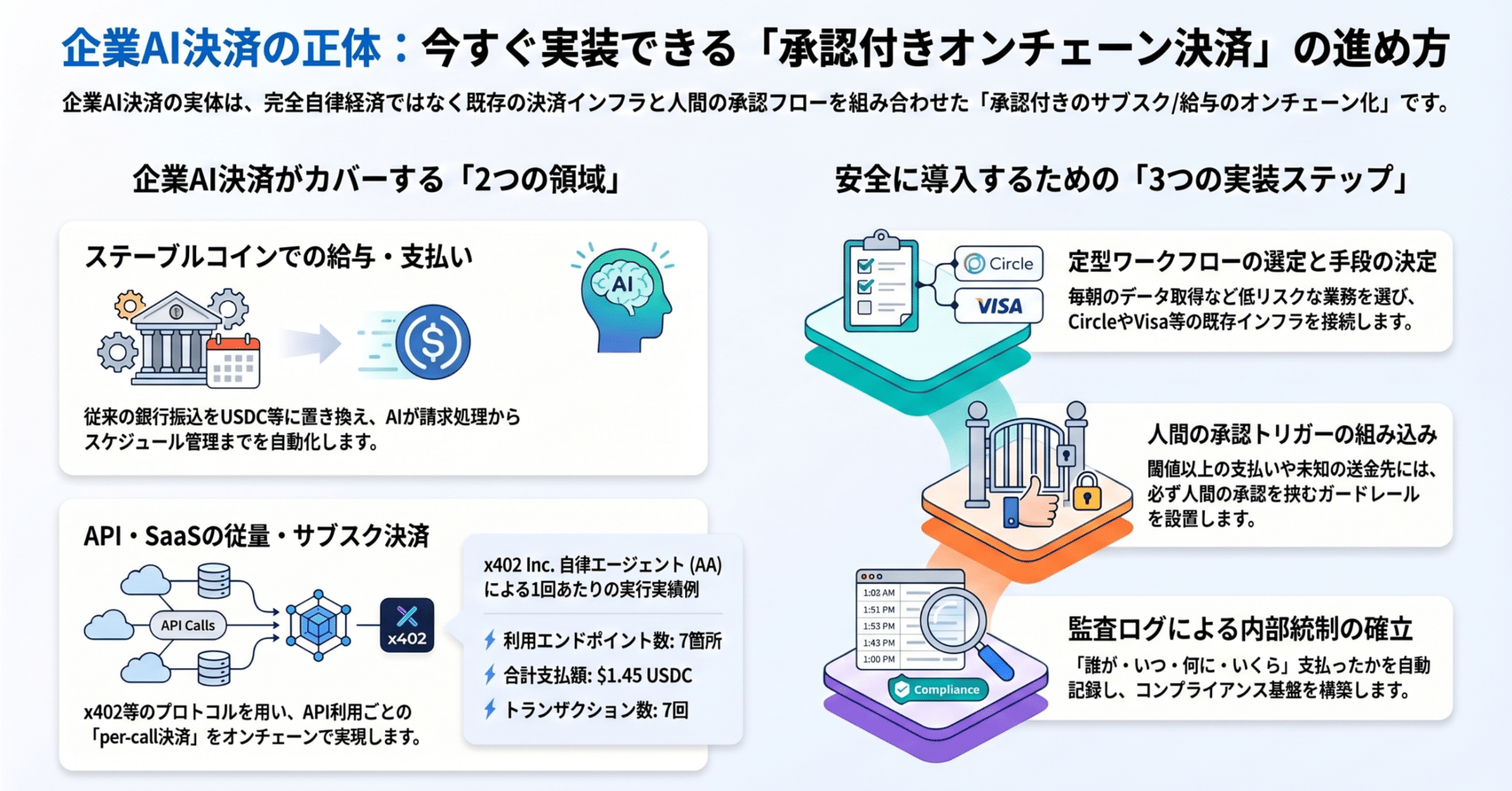
Replace manual wallet signatures with automated renewal mechanisms. Use the native program’s built-in retry logic to handle failed transactions gracefully. This reduces churn caused by expired cards or insufficient funds, mirroring the reliability of traditional Stripe integrations while maintaining self-custody benefits.
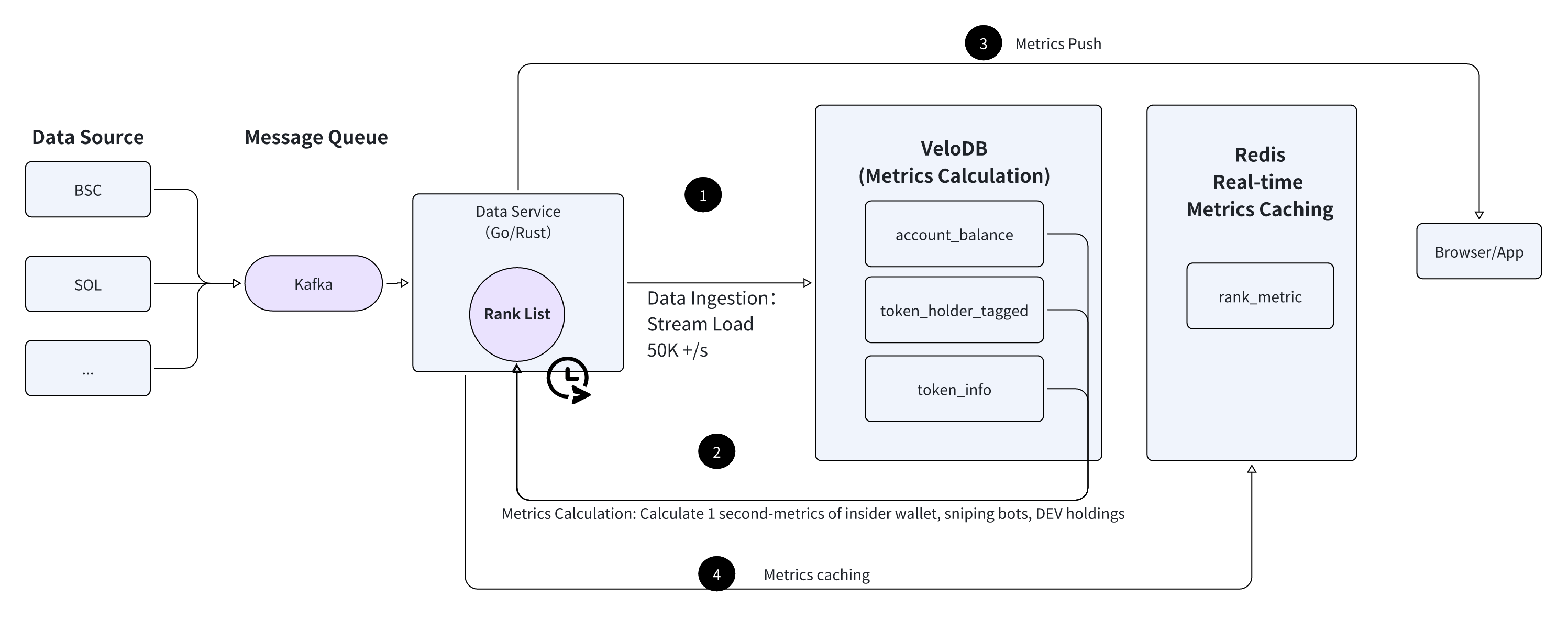
Integrate enterprise-grade SaaS analytics tools to track subscription health and churn. Since on-chain data is immutable, use these tools to audit renewal rates and user behavior without compromising user privacy through zero-knowledge proofs if necessary.
| Feature | Traditional SaaS | Onchain Stack |
|---|---|---|
| Payment Settlement | Off-chain bank processing | Native on-ledger transfer |
| Renewal Logic | Off-chain cron jobs | Smart contract automation |
| Data Integrity | Centralized database | Distributed ledger consensus |
This stack prioritizes developer experience and user retention. By leveraging native infrastructure, you avoid the fragmentation of legacy web3 payment gateways and build a sustainable, scalable revenue model.
Onchain billing: frequently asked: what to check next
Can Onchain data be manipulated?
Onchain data integrity relies on distributed nodes agreeing on new block validity before appending it to the ledger. This consensus mechanism ensures no single actor can rewrite history, providing a single source of truth for all participants. While off-chain inputs can be spoofed, the onchain record itself remains immutable once confirmed.
Is Chainalysis SaaS?
Yes. Chainalysis operates as the largest enterprise SaaS company in the cryptocurrency industry, providing blockchain data and AI tools to government agencies and financial institutions. Their platform helps clients engage confidently with crypto assets by offering transparent, auditable data streams essential for compliance and risk management.
Can you make money on Onchain?
Beyond trading volatility, you can grow crypto assets through decentralized finance (DeFi) offerings. Platforms like Crypto.com allow users to earn passive income by staking or lending assets onchain. However, these strategies carry smart contract and market risks that differ significantly from traditional savings vehicles.
No comments yet. Be the first to share your thoughts!