What Actually Makes a Subscription Onchain?
The onchain subscription model is often confused with simple token-gating or one-time NFT access passes. Those mechanisms grant entry but lack the automated, recurring logic that defines a true subscription. In traditional SaaS, Stripe handles the heartbeat of renewal. In web3, that heartbeat must be coded into the protocol itself, not just the frontend interface.
A true onchain subscription automates recurring value exchange without requiring manual intervention from the user for every cycle. It eliminates the friction of repeated approvals, gas estimation errors, and the need for users to manage complex escrow arrangements or relayer networks. The goal is "subscribe and forget," mirroring the convenience of web2 while leveraging blockchain transparency.
The infrastructure behind this model relies on smart contracts that hold authorization and execute periodic transfers. This distinguishes it from manual recurring payments, where the user must actively sign a transaction every month. By embedding the renewal logic on-chain, merchants reduce churn caused by payment failures and users gain predictable, transparent billing cycles.
The Technical Stack for Recurring Revenue
Building a subscription model onchain requires more than just a wallet; it demands a specific infrastructure stack that handles recurring logic, payment rails, and user experience. Without the right layers, you end up with a fragmented experience that forces users to manually approve every single payment cycle.
Smart Contract Standards
The foundation is the smart contract. Unlike traditional SaaS, where billing is handled by a third-party processor like Stripe, onchain subscriptions rely on self-executing code. You need standards that allow for predictable, automated deductions without requiring the user to sign a new transaction for every renewal.
Current experiments range from simple ERC-20 allowance approvals to more complex ERC-721 or ERC-1155 based access tokens. The goal is to minimize friction. If a user has to manually trigger a payment every month, churn will skyrocket. The contract must handle the "subscribe and forget" logic, ideally using allowlists or token-gating mechanisms that automatically revoke access if the recurring payment fails.
Payment Rails and Settlement
The payment rail determines how the subscription fee is collected. Most onchain subscriptions settle in stablecoins (USDC, DAI) or native tokens (ETH, SOL). The choice of rail impacts gas costs and speed.
For Ethereum L1, the gas costs for recurring transactions can be prohibitive for low-value subscriptions. This has pushed many builders toward Layer 2 solutions like Arbitrum, Optimism, or Base, where transaction costs are fractions of a cent. Some newer protocols are experimenting with "true" on-chain subscriptions that use relayer networks or account abstraction (ERC-4337) to sponsor gas fees, making the experience indistinguishable from traditional web2 billing.
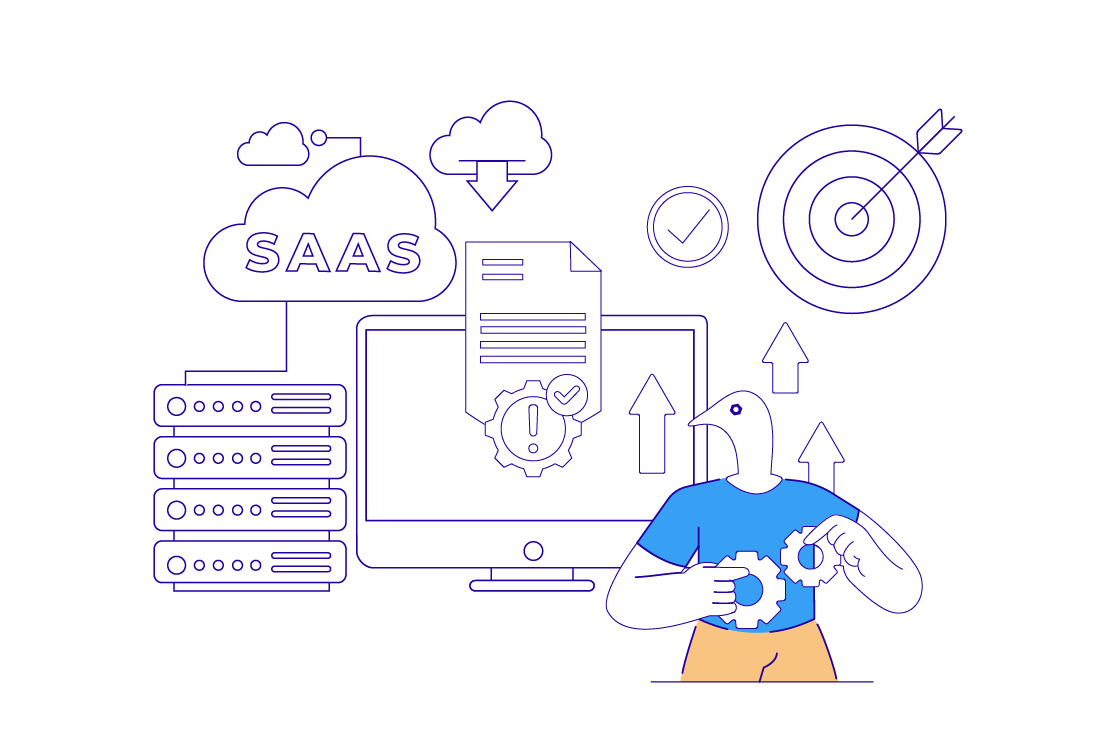
Account Abstraction and UX
The final layer is the user experience, increasingly powered by Account Abstraction (ERC-4337). This standard allows for "smart accounts" that can batch transactions, pay gas in any token, and even recover lost keys. For subscriptions, this means the user can set up a recurring payment with a single signature, and the backend relayer handles the subsequent monthly deductions.
This abstraction removes the need for users to manage complex wallet interactions. They simply authorize the subscription once, and the smart contract handles the rest. This is critical for mass adoption. If the setup process feels like a technical hurdle, most users will drop off. The infrastructure must be invisible, leaving only the value of the subscription itself.
Top tools for onchain market analysis
Use this section to make the Onchain Subscription SaaS Market Research decision easier to compare in real life, not just on paper. Start with the reader's actual constraint, then separate must-have requirements from details that are merely nice to have. A practical choice should survive normal use, maintenance, timing, and budget. If a recommendation only works in an ideal situation, call that out plainly and give the reader a fallback path.
| Factor | What to check | Why it matters |
|---|---|---|
| Fit | Match the option to the primary use case. | A good deal still fails if it does not fit the job. |
| Condition | Verify age, wear, and service history. | Hidden condition issues erase upfront savings. |
| Cost | Compare purchase price with likely upkeep. | The cheapest option is not always the lowest-cost option. |
Analyzing market sentiment and causality
Understanding the link between market sentiment and onchain subscription adoption requires moving beyond simple correlation. While price charts show what happened, onchain data reveals who is acting and why. By examining transaction patterns and network health, you can identify whether subscription growth is driven by genuine utility or speculative momentum.
Onchain analysis provides unique insights into these dynamics. It allows you to track asset movements and user behavior in real time, offering a clearer picture of network health than traditional metrics. This transparency helps distinguish between organic adoption and artificial inflation, which is critical for high-stakes SaaS models.
To visualize these trends, you can monitor relevant crypto assets using provider-backed charts. This helps contextualize subscription revenue against broader market cycles.
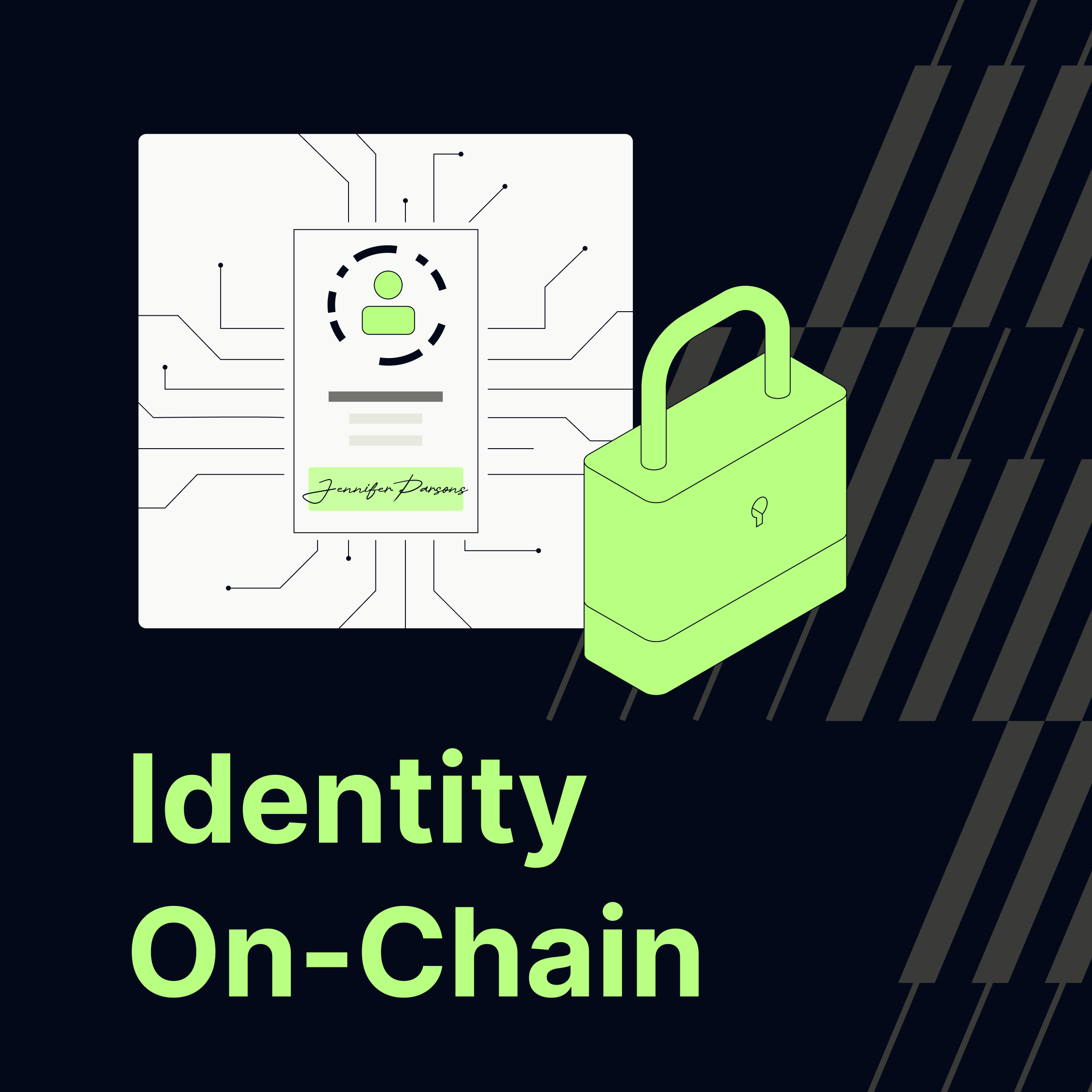
Positioning Your Onchain Subscription SaaS
By 2026, the onchain subscription SaaS market is no longer about basic access control; it is about integrating real-time data and AI-driven insights into your core value proposition. To survive, your platform must prove that blockchain-native features offer tangible advantages over traditional web2 SaaS, such as transparent usage billing, automated revenue splits, and global, borderless access without friction.
1. Verify Infrastructure Integrity
Before launching, ensure your smart contract infrastructure is audited and your data feeds are reliable. Use official or primary sources to validate your on-chain metrics. Galaxy’s research on fundamental analysis highlights how on-chain data provides a transparent, immutable record of user activity, which can be leveraged to build trust with enterprise clients who demand verifiable proof of service delivery.
2. Integrate AI for Personalization
Leverage AI to analyze on-chain behavior and offer personalized subscription tiers. Instead of generic pricing, use data to predict user needs and adjust access levels dynamically. This moves your product from a static tool to an adaptive assistant, increasing retention and perceived value.
3. Optimize for User Experience
Simplify the onboarding process. Most potential users are not crypto-native. Provide clear, step-by-step guidance for wallet setup and subscription management. Consider integrating account abstraction to allow users to subscribe using familiar methods like email or social logins, with crypto transactions handled silently in the background.
4. Build a Community-First Model
Engage your users through governance tokens or exclusive community access. This creates a loyal user base that feels invested in the platform’s success. Use this feedback loop to continuously improve your product and align it with market needs.
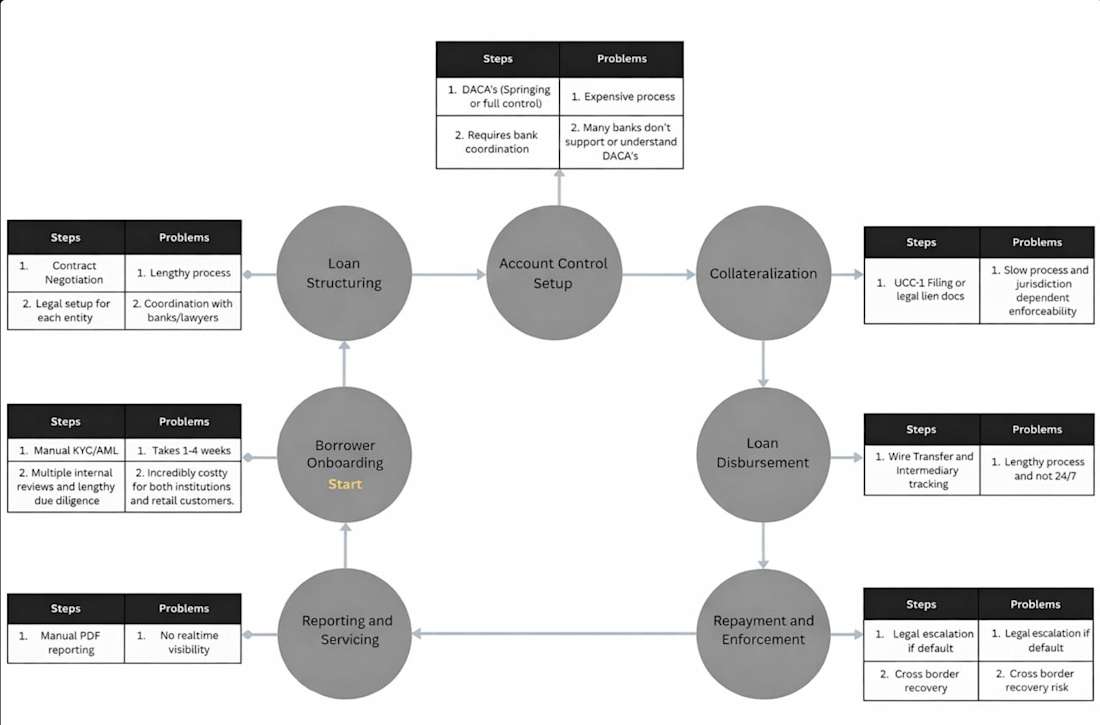
Audit your smart contracts and data feeds. Use official sources like Galaxy’s on-chain analysis to ensure your metrics are trustworthy and transparent.
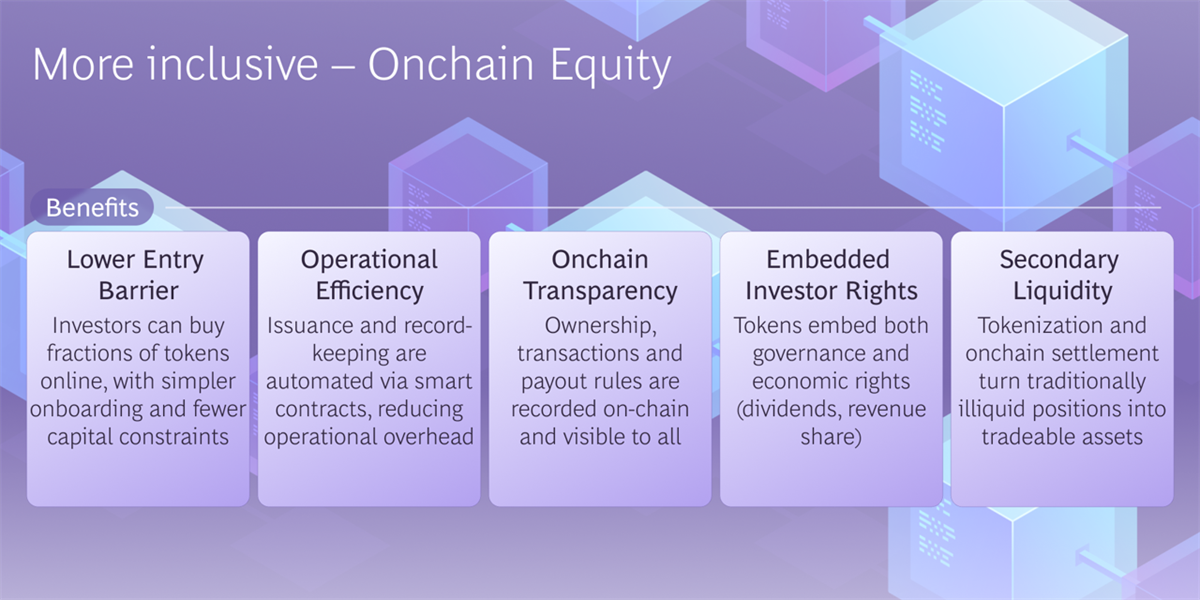
Add AI-driven personalization to your subscription tiers. Analyze user behavior to offer dynamic access levels and increase retention.
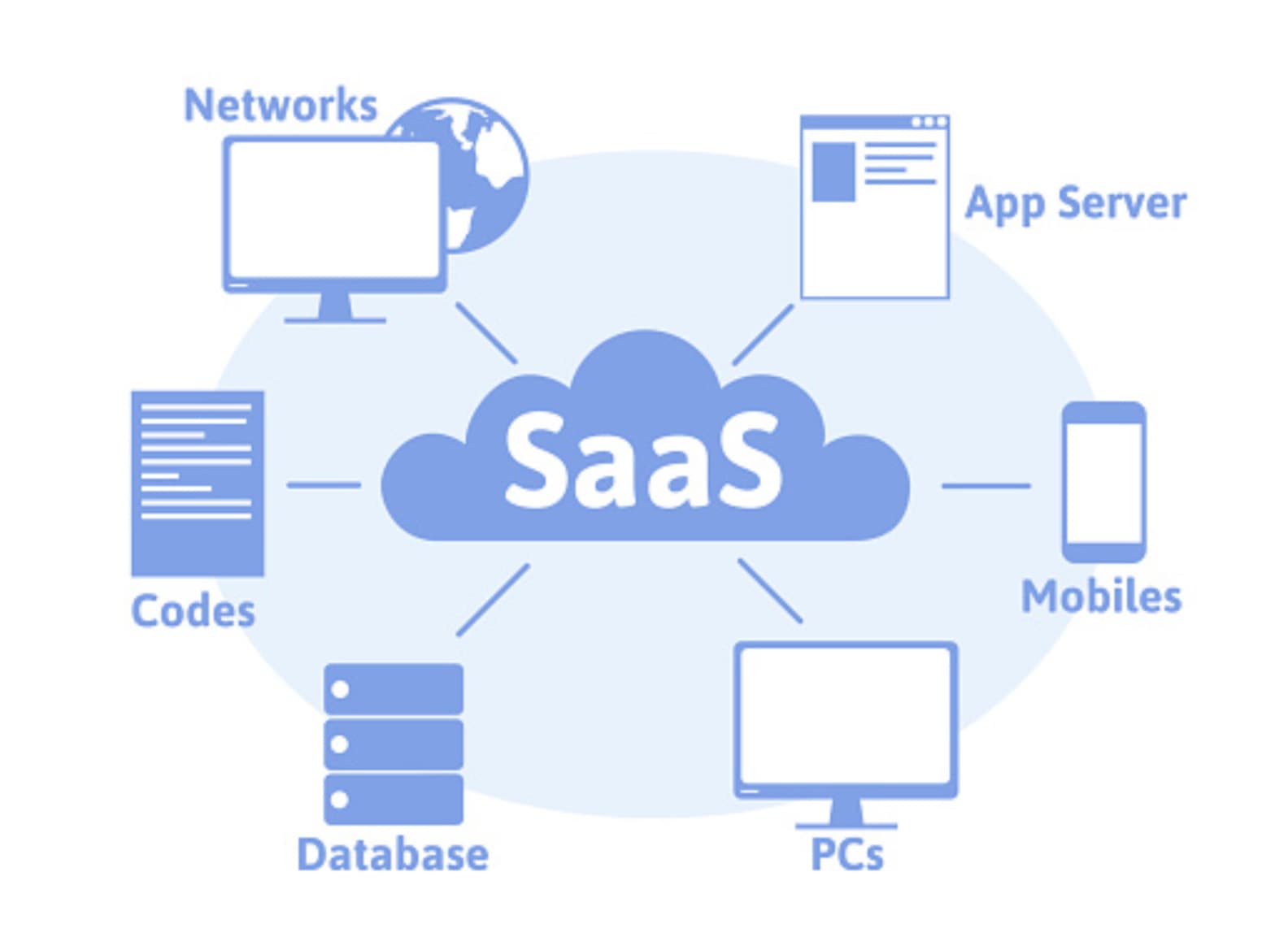
Use account abstraction to hide crypto complexity. Allow users to subscribe with familiar methods while transactions happen in the background.
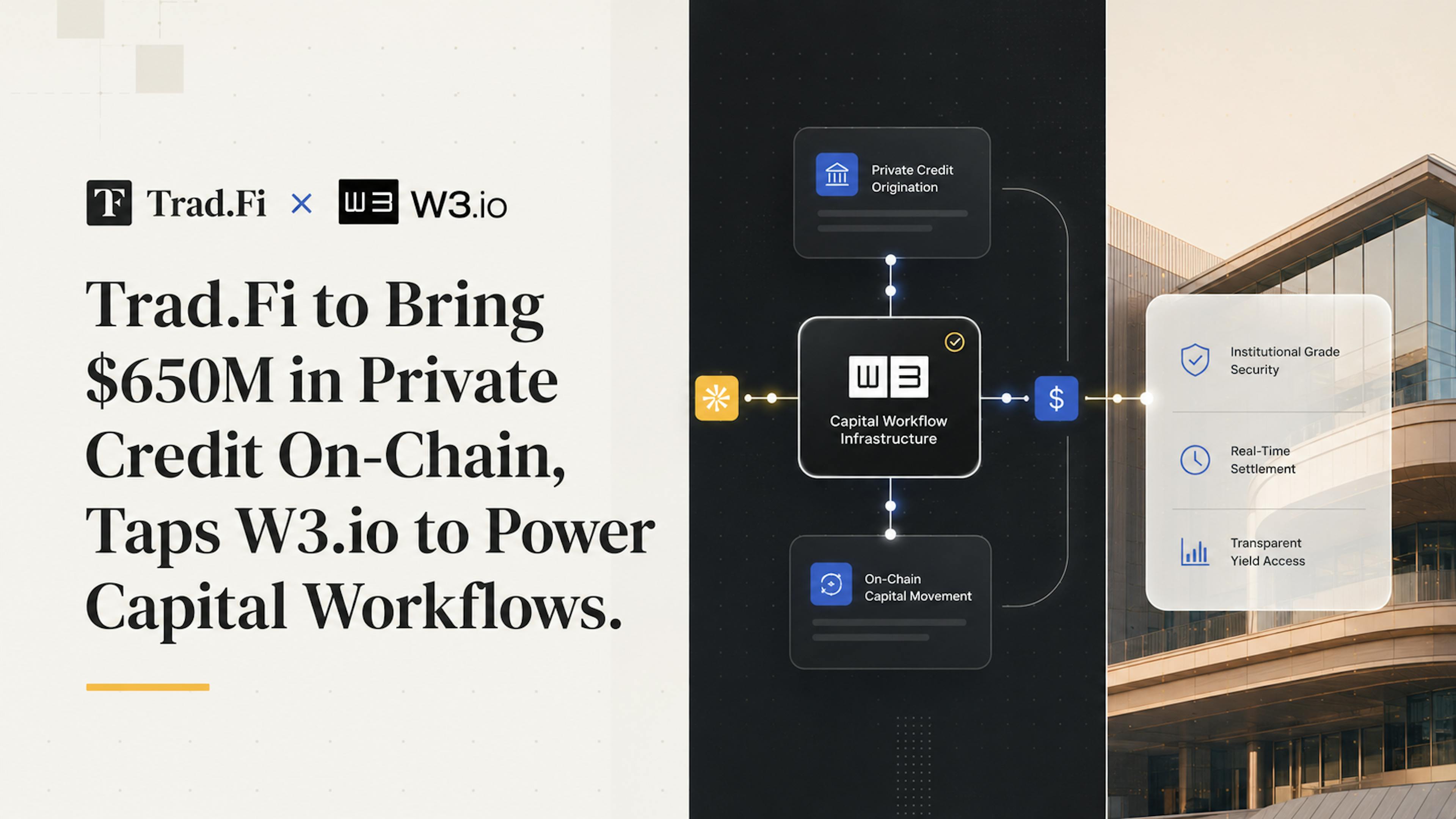
Offer governance tokens or exclusive access to build loyalty. Use feedback to align your product with market needs.
| Feature | Web2 SaaS | Onchain SaaS |
|---|---|---|
| Billing | Opaque, monthly invoices | Transparent, automated smart contracts |
| Access Control | Centralized server checks | Decentralized, verifiable tokens |
| Global Reach | Currency and banking restrictions | Borderless, crypto-native payments |
Frequently asked questions about onchain subscriptions
Can Onchain data be manipulated?
On-chain data consists of transactions permanently recorded on a blockchain. Because this information is stored on a distributed ledger, it is transparent and cannot be altered after the fact. This immutability provides a reliable foundation for subscription models that require trustless verification of payment and access.
Is Chainalysis a SaaS company?
Yes, Chainalysis operates on a software-as-a-service (SaaS) model. It generates revenue by offering core products like Reactor, KYT, and Kryptos to enterprises. These tools are tailored for blockchain analysis, compliance, and fraud prevention, serving as critical infrastructure for onchain subscription businesses.
How many people use Onchain subscriptions?
While specific subscription-only metrics are rare, broader onchain adoption provides context. In 2019, MetaMask reported that about 30% of its active users confirmed an onchain transaction on a given day. Applying this ratio to monthly active users suggests millions of users are already comfortable transacting on-chain, a prerequisite for recurring subscription services.
Helpful gear
Use these product recommendations as a starting point, then choose the size, material, and price point that fit how you actually use the gear.

As an Amazon Associate, we may earn from qualifying purchases.
No comments yet. Be the first to share your thoughts!