What onchain subscription SaaS means
Onchain subscription SaaS replaces the opaque, intermediary-heavy billing systems of Web2 with transparent, programmable recurring payments. Instead of relying on third-party processors to manage recurring charges, this model uses smart contracts to automate the entire lifecycle of a subscription. The result is a system where revenue collection is not just recorded on a blockchain, but executed by code that enforces terms without manual intervention.
At its core, this infrastructure shifts the relationship between merchant and customer. In traditional SaaS, a subscription is a promise backed by a payment processor’s risk engine. In an onchain model, the subscription is a live contract. It holds the logic for renewal, cancellation, and access rights directly on the ledger. This distinction matters because it removes the "black box" of billing disputes and chargebacks that often plague software businesses.
The primary engine driving this model is the stablecoin. While volatile cryptocurrencies are unsuitable for predictable monthly revenue, stablecoins pegged to fiat currencies provide the price stability required for SaaS pricing. When combined with smart contracts, stablecoins allow for "true" onchain subscriptions—automated, recurring payments that settle instantly with minimal friction. This eliminates the need for complex token wrapping or relayer networks that once made onchain billing cumbersome.
This approach simplifies payments for modern businesses by minimizing friction. As noted by industry leaders like Stripe, on-chain crypto infrastructure allows companies to improve transparency and reduce the operational overhead associated with international billing and currency conversion. For SaaS providers, this means a global customer base can be onboarded and billed with the same ease as a domestic customer, all while maintaining the auditability of a public ledger.
Core infrastructure for recurring payments
Building an onchain subscription SaaS requires more than just a smart contract; it demands a coordinated stack that handles fiat on-ramps, stablecoin settlement, and automated billing logic. Unlike traditional SaaS payments, which rely on centralized processors like Stripe to manage retries and chargebacks, onchain infrastructure places the burden of reliability on the protocol and the middleware layer. This section details the technical components necessary to construct a robust recurring payment system.
Payment gateways and fiat on-ramps
The first layer of the stack is the entry point for capital. Most SaaS customers do not hold cryptocurrency, so your infrastructure must integrate with fiat on-ramps or specialized recurring crypto payment processors. Solutions like 0xProcessing or Orb Billing provide the middleware to convert credit card transactions into stablecoins or manage direct crypto subscriptions. These gateways handle the complex compliance requirements (KYC/AML) that would otherwise burden your core product. They ensure that subscription failures trigger automatic retries, mimicking the reliability users expect from off-chain services.
Smart contract standards for billing
At the heart of the system is the smart contract, which acts as the immutable ledger for subscriptions. Rather than writing custom logic from scratch, most onchain SaaS platforms leverage established standards like ERC-6551 (Token Bound Accounts) or specialized billing contracts that support subscription slots. These contracts manage the state of each user’s subscription, tracking expiration dates and auto-renewal permissions. When a renewal date hits, the contract either pulls approved funds (ERC-20 allowance) or requires a transaction signature from the user, depending on the desired friction level. This automation reduces operational overhead and ensures transparent billing records on-chain.
Identity verification layers
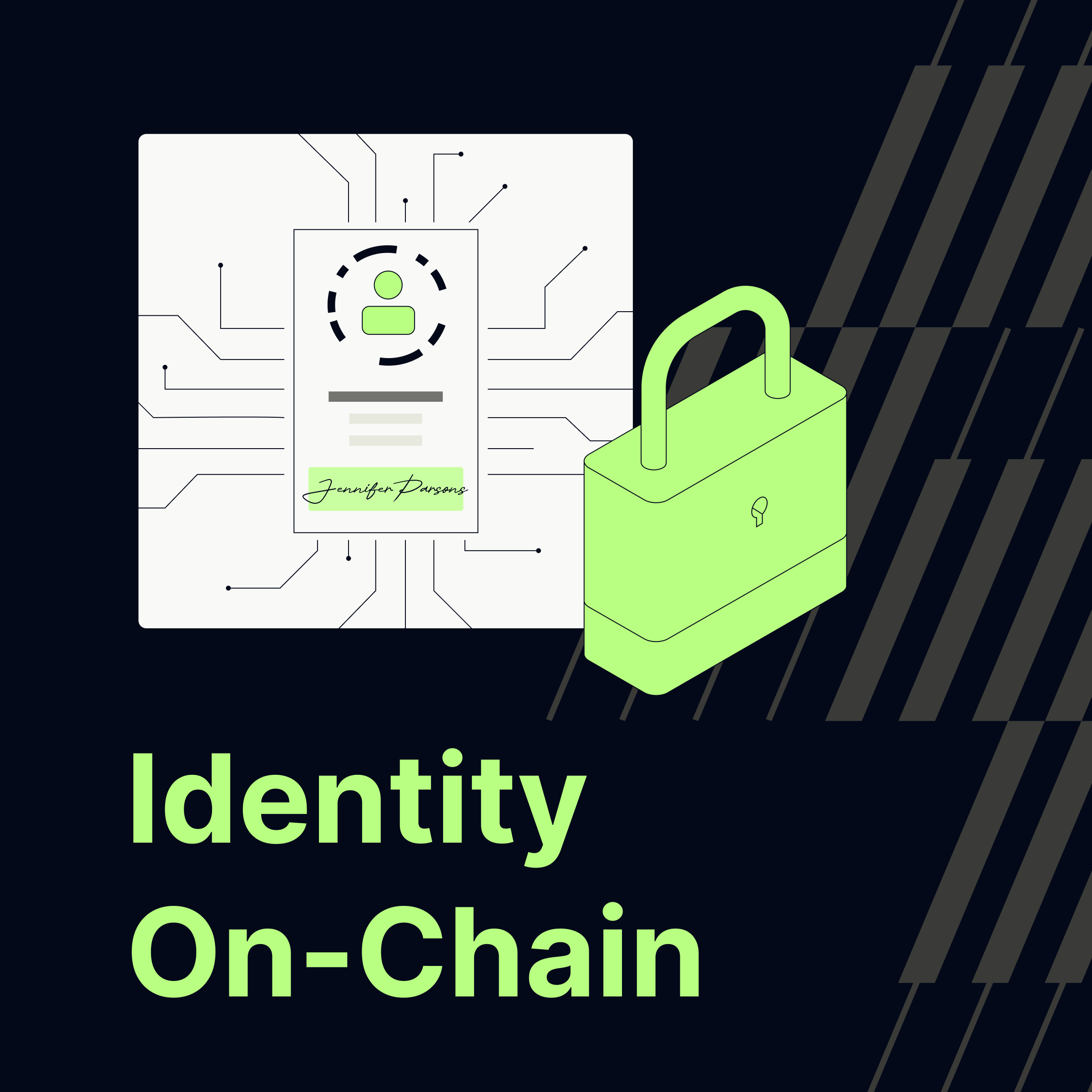
Compliance is non-negotiable for any subscription service, especially in the crypto space. Onchain identity verification layers, such as Proof’s Identity-on-Chain framework, allow you to verify user credentials without exposing sensitive personal data. By linking a verified identity to a wallet address, you can enforce geographic restrictions, prevent fraud, and meet regulatory requirements for recurring billing. This layer sits above the payment gateway, ensuring that only whitelisted, verified users can activate or renew subscriptions, thereby protecting your business from chargebacks and unauthorized access.
Onchain vs. Traditional SaaS Billing
Comparing the infrastructure highlights the trade-offs between the two models. Traditional SaaS billing is fast and familiar but relies on centralized intermediaries that can freeze funds or impose high fees. Onchain billing offers transparency and lower cross-border friction but requires users to manage wallets and gas fees.
| Feature | Traditional SaaS | Onchain SaaS |
|---|---|---|
| Settlement Time | 2-3 days | Minutes |
| Cross-Border Fees | High (3-5%+) | Low (Network gas) |
| Transparency | Opaque ledgers | Public blockchain |
| Chargebacks | Common | Irreversible |
| Compliance | Processor handled | Integrated via middleware |
AI-native crypto revenue trends
The intersection of artificial intelligence and blockchain is reshaping how SaaS companies bill for services. AI-native startups are increasingly adopting onchain subscription models to bypass the friction of traditional payment rails. This shift allows them to reach a global audience without the geographic restrictions and high fees associated with fiat currency processing.
Onchain payments move money directly between digital wallets, with transactions verified and settled on the blockchain itself. For AI services that often require instant, small-scale microtransactions or recurring billing, this infrastructure offers a significant advantage. It eliminates the need for third-party intermediaries, reducing settlement times from days to seconds.
Traditional payment gateways often restrict services based on merchant location or customer jurisdiction. Onchain subscriptions remove these barriers, allowing AI tools to serve users in emerging markets or regions with limited banking access.

By leveraging smart contracts, AI SaaS platforms can automate recurring billing and access management. This reduces the administrative overhead of chasing late payments or managing failed credit card transactions.
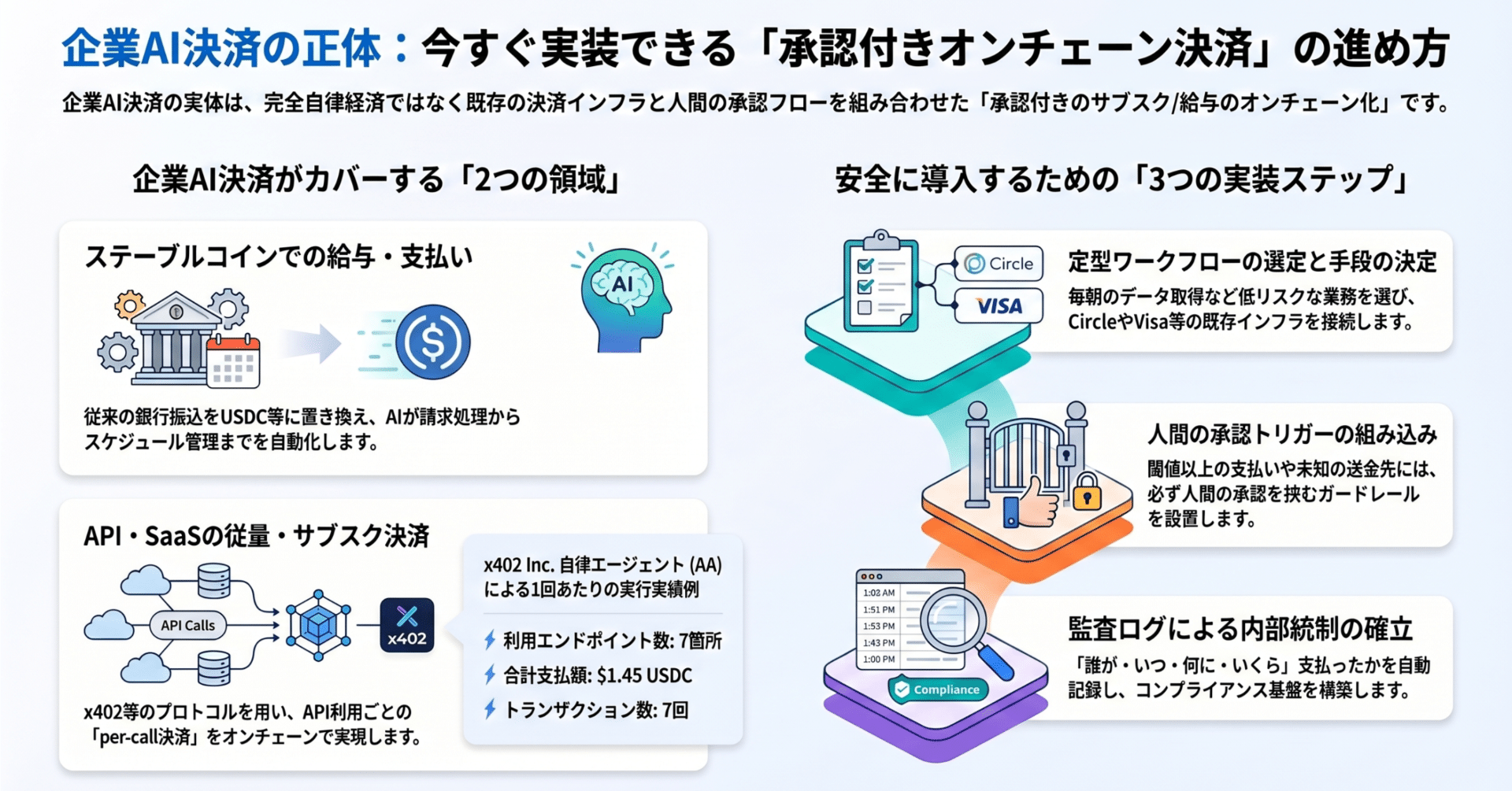
Blockchain ledgers provide an immutable record of transactions. This transparency builds trust with users, who can verify that their subscriptions are active and that payments are being processed correctly without hidden fees.

The stability of these models relies heavily on the underlying crypto market. While volatility remains a concern for some, the rise of stablecoins has provided a reliable unit of account for recurring SaaS revenue. Monitoring market trends helps developers choose the right assets for their pricing strategies.
Regulatory and compliance considerations
Accepting onchain subscription payments introduces a layer of complexity that traditional fiat gateways simply do not face. For an Onchain Subscription SaaS guide, understanding the regulatory landscape is not optional; it is the foundation of your business model. Unlike credit card processors that act as intermediaries, blockchain transactions are immutable and often pseudonymous, shifting the burden of compliance directly onto the SaaS provider.
The primary challenge lies in navigating Anti-Money Laundering (AML) and Know Your Customer (KYC) requirements. Since on-chain payments move directly between wallets without traditional banking intermediaries, regulators view these transactions as high-risk for illicit activity. You must implement robust identity verification protocols to ensure that the subscribers funding your SaaS are who they claim to be. Failure to do so can result in severe penalties, including the revocation of your business license or criminal charges, depending on your jurisdiction.
Tax implications add another layer of difficulty. In many jurisdictions, cryptocurrency is treated as property rather than currency. This means every on-chain subscription payment triggers a taxable event. You must track the fair market value of the crypto at the exact moment of transaction and again when you convert it to fiat or stablecoins. This requires sophisticated accounting software capable of handling high-frequency, low-value micro-transactions across multiple chains.
Pre-launch compliance checklist
Before launching your Onchain Subscription SaaS platform, ensure you have addressed these critical compliance areas:
- KYC/AML Integration: Implement automated identity verification tools to screen users against global sanctions lists.
- Tax Reporting Setup: Configure accounting software to track crypto-to-fiat conversions for accurate tax liability calculation.
- Jurisdictional Restrictions: Block access from regions where crypto payments are prohibited or heavily restricted.
- Smart Contract Audits: Ensure your subscription logic is audited to prevent exploits that could lead to financial loss or regulatory scrutiny.
- Data Privacy Compliance: Adhere to GDPR or CCPA standards, ensuring that wallet addresses and transaction data are handled securely.
No comments yet. Be the first to share your thoughts!