Defining onchain subscription models
Traditional SaaS billing relies on a centralized payment processor to manage recurring charges, creating a dependency on third-party infrastructure that introduces friction and fees. An onchain subscription model replaces this intermediary with a smart contract that automates the collection of recurring payments directly from a user’s digital wallet. This shift transforms the payment layer from a managed service into a decentralized protocol, allowing for instant settlement without the typical 2.9% card processing costs or the risk of account freezes.
The distinction between "true" onchain subscriptions and existing crypto payment gateways is structural. Many current solutions act as a wrapper around traditional fiat rails, merely converting cryptocurrency to fiat at the point of sale. In contrast, a native onchain subscription operates entirely on-chain, utilizing stablecoins or native tokens to execute recurring transfers without requiring token wrapping, escrow, or relayer networks. This approach aligns with the core value proposition of Web3: removing the need for trusted intermediaries while maintaining a single source of truth for transaction history.
By embedding billing logic into the blockchain, developers can create more flexible and transparent pricing structures. Users retain custody of their funds until the moment of payment, and the terms of the subscription are immutable once deployed. This infrastructure supports a global user base without the geographic restrictions often imposed by traditional banking systems, making it a viable alternative for B2B and B2C SaaS companies seeking to reduce overhead and expand their addressable market.
Core infrastructure for recurring payments
Building reliable onchain subscriptions requires a stack that handles volatility, identity, and automated settlement. Unlike traditional SaaS billing, onchain recurring payments must operate without a central intermediary to verify status or process retries. The foundation rests on three pillars: smart contract standards for logic, stablecoins for price stability, and account abstraction for user experience.
Stablecoins and Settlement
Subscriptions demand predictable pricing. Using volatile assets like ETH or SOL for monthly billing creates accounting nightmares for both the provider and the customer. Stablecoins pegged to fiat currencies (USDC, USDT) are the standard for onchain SaaS because they eliminate exchange rate risk between billing cycles. This allows you to price your software in dollars while settling in crypto.
While stablecoins reduce price risk, they introduce smart contract risk. Always prefer established, audited stablecoins with high liquidity and transparent reserves. The settlement layer must be fast and cheap; Layer 2 networks like Arbitrum or Optimism are often preferred over Ethereum Mainnet for subscription micro-transactions due to lower gas fees.
Smart Contract Standards
You cannot rely on manual wallet transfers for recurring billing. You need smart contracts that enforce subscription logic: start dates, intervals, and cancellation rights. ERC-4337 (Account Abstraction) is becoming the de facto standard for this infrastructure. It allows for "smart wallets" that can sponsor gas fees, batch transactions, and implement custom signature schemes, making the backend complexity invisible to the user.
For the actual subscription logic, standards like ERC-721 (NFTs) are often repurposed as membership tokens. Holding the NFT grants access. Alternatively, specialized protocols like Stripe's on-chain solutions or 0xProcessing provide off-chain orchestrators that trigger on-chain payments, bridging the gap between traditional billing APIs and blockchain settlement.
Managing Volatility and Risk
Even with stablecoins, network congestion or oracle failures can disrupt billing. Your infrastructure must include retry mechanisms and fallback payment methods. Account abstraction enables "session keys" that allow your platform to automatically retry failed transactions without requiring the user to sign every single payment. This is critical for maintaining service continuity.
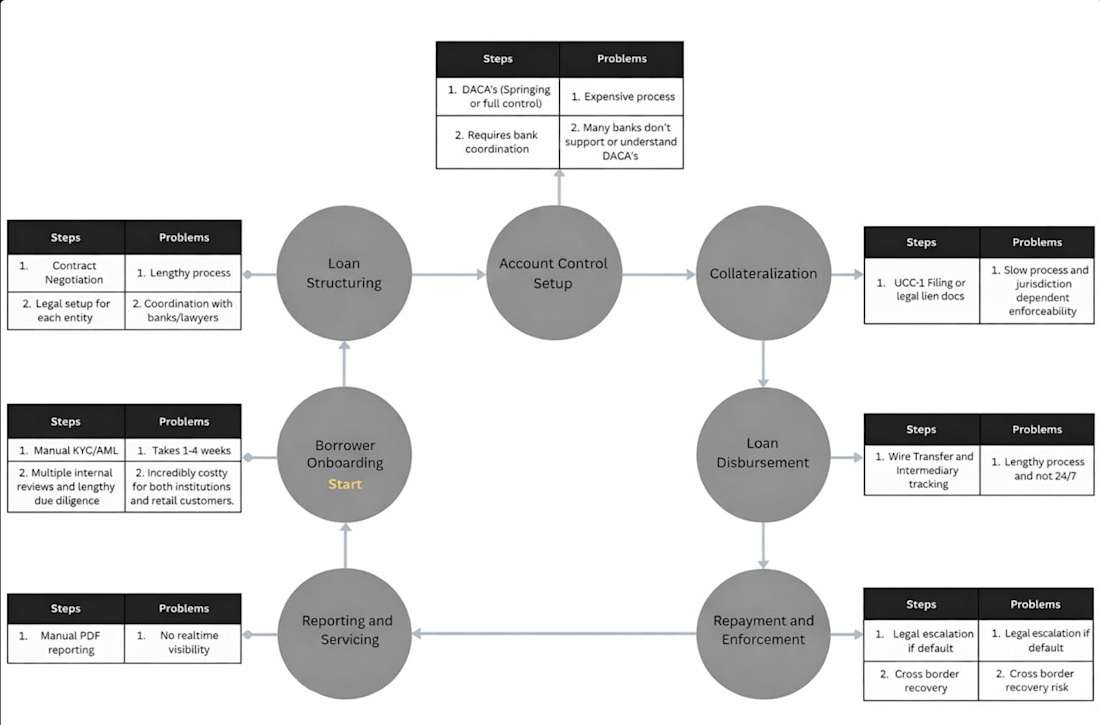
Understanding the underlying asset volatility is also part of the risk management strategy. While your subscription is priced in stablecoins, your treasury might hold other assets. Monitor the health of your settlement layer.
This chart visualizes the volatility of a common settlement asset. If you settle in SOL, you are exposed to this swing. If you settle in USDC, you are exposed to de-pegging risk. Choose your settlement asset based on your customer base and treasury strategy.
Market Dynamics and Competitive Landscape
The SaaS payment infrastructure is undergoing a structural shift as businesses seek alternatives to traditional card networks. While Stripe and similar processors have standardized digital billing, their fee structures and settlement delays create friction for global and high-growth subscriptions. Onchain subscription SaaS models address these inefficiencies by leveraging blockchain technology to reduce costs and accelerate capital availability.
Cost and Settlement Advantages
Traditional payment processors typically charge between 2.9% and 3.5% per transaction, plus fixed fees. These costs accumulate significantly for subscription-based revenue models, especially when dealing with international customers facing currency conversion fees. Onchain solutions eliminate many of these intermediaries. By moving money directly between digital wallets, onchain payments verify and settle transactions on the blockchain network without third-party involvement. This direct settlement model often reduces transaction costs to a fraction of traditional card fees, particularly for cross-border payments.
Settlement time is another critical differentiator. Traditional processors often hold funds for 2-7 business days before depositing them into a merchant account. Onchain settlements occur in minutes or seconds, depending on the blockchain network. This immediate liquidity allows SaaS companies to reinvest revenue faster and manage cash flow more effectively.
Global Reach and Accessibility
Traditional payment gateways often restrict access based on geographic location, business type, or risk profiles. Onchain infrastructure is permissionless by design, allowing businesses to accept payments from anywhere in the world without complex onboarding processes. This global accessibility is particularly valuable for SaaS companies serving international markets or operating in regions with limited banking infrastructure.
The following table compares key operational metrics between onchain and traditional SaaS payment models:
| Metric | Onchain SaaS | Traditional Processor |
|---|---|---|
| Transaction Fees | 0.1-1% (network dependent) | 2.9-3.5% + fixed fees |
| Settlement Time | Seconds to minutes | 2-7 business days |
| Global Accessibility | Permissionless, worldwide | Restricted by region/risk |
| Intermediaries | None (direct wallet-to-wallet) | Multiple (banks, processors, networks) |
| Chargeback Risk | Irreversible transactions | High, requires dispute management |
Adoption Trends and Market Position
While onchain SaaS payments are gaining traction, adoption remains concentrated among tech-forward companies and those with international customer bases. The market is still emerging, with most early adopters being B2B SaaS companies with annual recurring revenue between $5 million and $50 million. These businesses are actively seeking defensible alternatives to traditional card processing to protect margins and streamline operations.
The competitive landscape is evolving as traditional processors begin to integrate blockchain capabilities. However, native onchain solutions offer superior integration for subscription management, automated recurring billing, and transparent financial reporting. As regulatory clarity improves and user experience barriers decrease, onchain SaaS payments are positioned to capture a growing share of the market.
Implement onchain subscription SaaS workflows
Integrating onchain payments into your SaaS model requires a structured approach that balances technical security with regulatory compliance. Unlike traditional fiat gateways, blockchain transactions are immutable and public, meaning your subscription logic must be auditable and transparent by design. This section outlines the concrete steps to deploy a robust onchain subscription infrastructure.
Before deployment, your smart contract logic must be rigorously audited. Onchain data integrity relies on distributed consensus, ensuring no single actor can manipulate subscription history. Use formal verification tools to verify that access rights revoke correctly when payments fail, preventing unauthorized access to your software features.
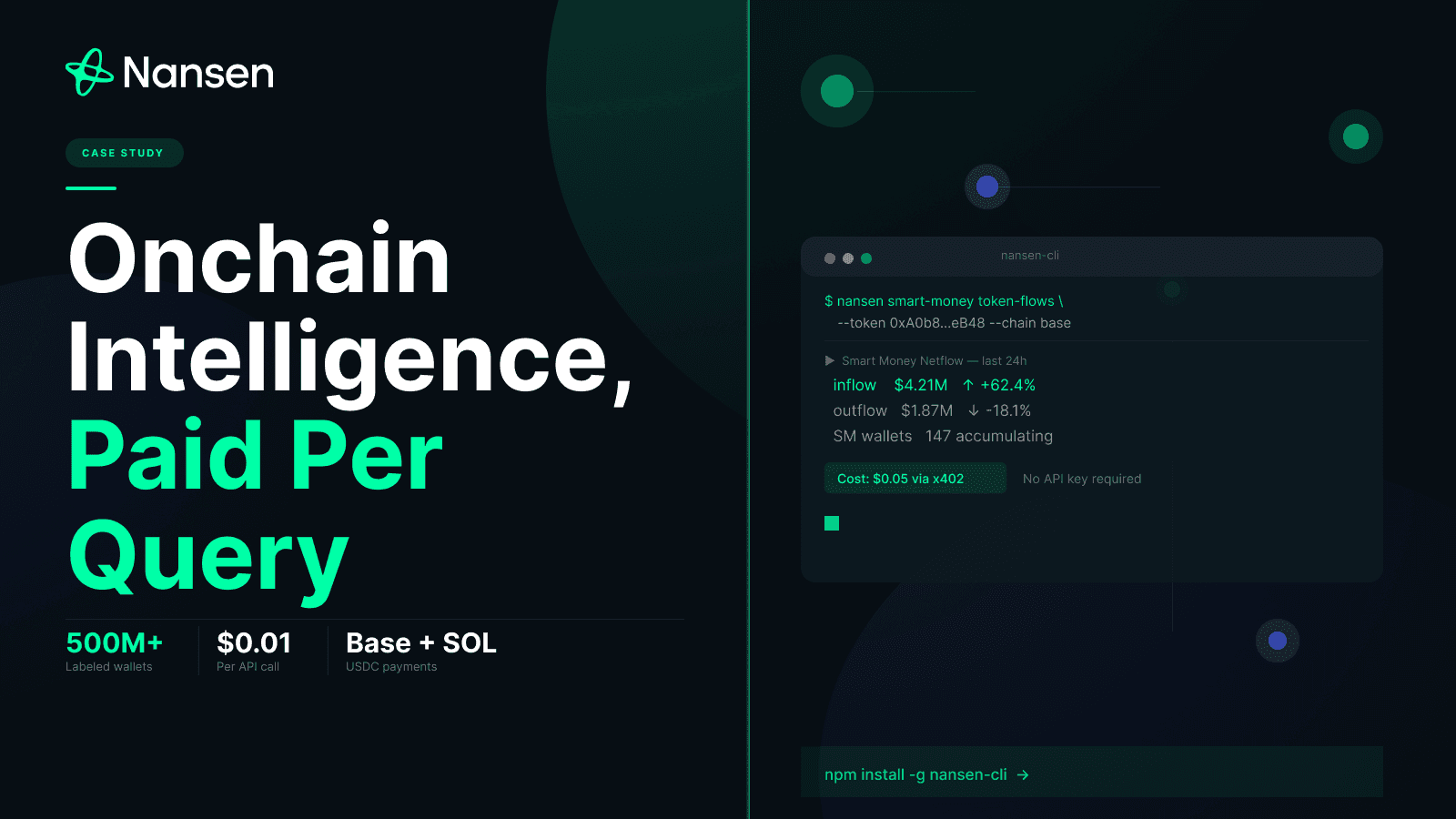
On-chain payments move money directly between digital wallets without third-party intermediaries. Select stablecoins (like USDC) to minimize volatility risk for your customers. Configure your gateway to handle recurring billing cycles on-chain, ensuring that token allowances are set correctly for automatic renewal without requiring manual transaction signatures for every cycle.

SaaS subscription management requires strict adherence to financial regulations. Implement on-chain analytics tools to track user activity and transaction history for tax reporting purposes. Ensure your platform can generate immutable proof of payment for users while maintaining necessary KYC/AML checks if your jurisdiction requires identity verification for high-value transactions.

Onchain transactions can fail due to network congestion or insufficient gas. Design your frontend to handle these errors gracefully, providing clear instructions to users on how to retry or adjust their wallet balances. A smooth user experience is critical; if the payment process is friction-heavy, churn rates will increase regardless of the product's value.
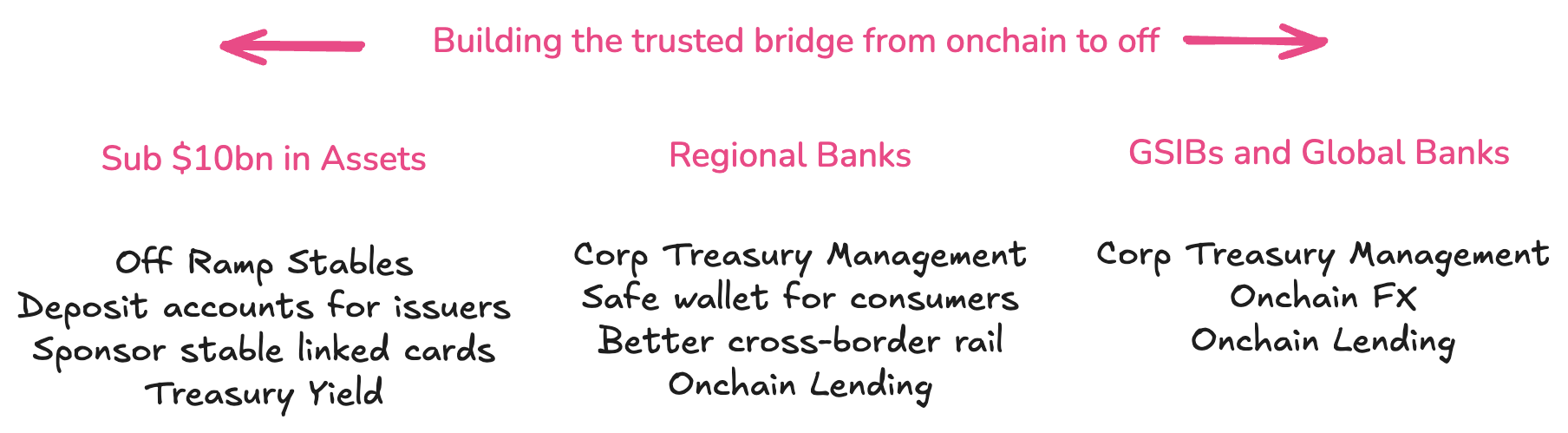
Once live, monitor key metrics like active subscriber count, failed renewal rates, and gas costs per transaction. Use these data points to optimize your smart contract efficiency and adjust pricing tiers if necessary. Regularly review your on-chain subscription performance to ensure the infrastructure remains cost-effective and scalable as your user base grows.
Frequently asked: what to check next
Can onchain data be manipulated?
Onchain data is generally resistant to manipulation because it relies on distributed consensus. Before any new block is added to the ledger, network nodes must verify its validity. This process ensures that no single actor can alter historical records, providing a single source of truth for all participants in the onchain subscription ecosystem.
What are onchain payments?
Onchain payments move money directly between digital wallets without third-party intermediaries. The blockchain network itself acts as the payment rail, verifying, recording, and settling transactions automatically. This structure reduces friction for SaaS subscriptions by removing traditional banking delays and fees.
How does onchain billing differ from traditional SaaS?
Traditional SaaS billing relies on centralized payment processors and recurring invoice systems. Onchain billing uses smart contracts to automate subscription logic. When a user’s wallet holds sufficient funds, the contract executes the payment and grants access instantly, creating a trustless and transparent billing environment.
No comments yet. Be the first to share your thoughts!