What onchain subscriptions mean for SaaS
Onchain subscription SaaS moves billing from private databases to public blockchains. Instead of relying on a centralized Stripe ledger, access rights and payment history are recorded on a distributed network. This shift creates a single source of truth that neither the provider nor the customer can unilaterally alter, addressing the transparency gaps inherent in traditional offchain billing.
For B2B SaaS and AI agent economies, this distinction is structural rather than cosmetic. Traditional offchain models require trust in the vendor’s internal accounting. Onchain models replace that trust with cryptographic verification. As noted by Stripe, understanding the difference between onchain and offchain transactions is essential for businesses integrating crypto payments, as the former offers immutable audit trails while the latter relies on private records.
This architecture is particularly valuable for AI agents that operate autonomously. An AI agent cannot easily navigate a traditional login-and-checkout flow; it requires programmable, standardized payment rails. Onchain subscriptions provide these rails, allowing software to verify payment status and grant access instantly via smart contracts. The result is a frictionless, automated economy where billing is a feature of the protocol, not an afterthought.
To understand the market context driving this shift, we can look at the performance of the underlying infrastructure assets.
The transition to onchain billing is not just about technology; it is about aligning incentives. When subscription data is onchain, it becomes composable. Developers can build tools that analyze churn, predict revenue, or automate refunds based on real-time onchain activity. This openness fosters a more resilient SaaS ecosystem, one where financial data is as accessible and reliable as the code itself.
Comparing onchain payment rails for SaaS
Choosing the right infrastructure depends on balancing user friction, settlement speed, and cost. Most SaaS models fall into three buckets: native stablecoin payments, hybrid gateways, and wrapped token solutions. Each approach offers different tradeoffs for recurring revenue cycles.
| Feature | Native Stablecoin | Hybrid Gateway | Wrapped Tokens |
|---|---|---|---|
| Settlement Speed | Instant (block confirmation) | T+1 to T+2 (fiat payout) | Instant (block confirmation) |
| User Friction | High (wallet required) | Low (credit card/fiat) | Medium (bridge/wallet required) |
| Transaction Fees | Low (network gas) | High (gateway processing) | Medium (bridge + gas) |
| Compliance | Self-custodied | Provider-managed | Self-custodied |
Native Stablecoin Payments
Native stablecoin rails (USDC, USDT) offer the fastest settlement and lowest fees. Users must hold crypto in a wallet, which creates a higher barrier to entry for non-crypto-native B2B buyers. This model is ideal for developer-first SaaS products where the audience is already comfortable with digital assets.
Hybrid Gateway Solutions
Hybrid models allow customers to pay with fiat (credit cards) while the provider settles in crypto. This reduces friction significantly, making it easier to onboard traditional enterprise clients. However, processing fees are higher, and the provider acts as an intermediary, which may introduce slight delays in fund availability.
Wrapped Token Models
Wrapped tokens (e.g., WBTC, WETH) allow users to pay with major assets that are not native stablecoins. This expands the pool of potential customers but adds complexity through bridging and conversion layers. This approach is less common for standard SaaS subscriptions due to the volatility and additional steps required for the user.
| Model | Speed | Cost | User Friction |
|---|---|---|---|
| Native Stablecoin | Instant | Low | High |
| Hybrid Gateway | T+1 | High | Low |
| Wrapped Tokens | Instant | Medium | Medium |
For most SaaS founders, the decision comes down to audience readiness. If your users are crypto-native, native stablecoins provide the cleanest audit trail and lowest overhead. If you are targeting traditional enterprises, a hybrid gateway may be necessary to meet procurement expectations, despite the higher costs.
Essential tools for onchain billing
Building an onchain subscription SaaS requires more than just a smart contract; it demands a stack that handles attribution, compliance, and payout automation. Unlike traditional SaaS, where Stripe handles the heavy lifting of recurring billing and fraud detection, onchain builders must assemble these capabilities using specialized infrastructure. The goal is to create a system where revenue attribution is immutable and payouts happen automatically without manual intervention.
Attribution and payout infrastructure
The backbone of any onchain subscription model is reliable attribution. You need tools that can verify a user’s wallet activity against their subscription tier without relying on centralized databases. Droplinked, for example, provides onchain subscription management that leverages blockchain data to protect partner relationships. By using onchain attribution, you can guarantee accurate commissions and eliminate the fraud that often plagues affiliate and partner programs. This ensures that every payout is tied to a verified, immutable transaction on the ledger.
For the actual billing mechanism, you need a payment processor that understands B2B contracts. Aurpay offers a crypto-native alternative to Stripe, designed specifically for annual SaaS subscriptions. Annual contracts pair perfectly with crypto because they involve large invoices and single transactions, removing the need for auto-charge management. This approach simplifies the billing cycle for enterprise clients while reducing the friction of recurring micro-transactions.
Developer tooling and treasury management
Beyond the core billing logic, you need robust developer tools to manage the underlying infrastructure. This includes oracle networks like Chainlink, which provide the Onchain Data Protocol (ODP) to aggregate and verify external data. These oracles ensure that the conditions triggering your subscriptions—such as API usage limits or time-based renewals—are based on a single source of truth that cannot be manipulated by a single actor.
For treasury management, SaaS founders often rely on hardware wallets and secure key management solutions to protect the subscription revenue flowing into the protocol. While specific product recommendations vary, the focus should be on tools that offer multi-signature support and cold storage capabilities. This ensures that the funds collected from onchain subscriptions remain secure against unauthorized access, maintaining the integrity of your business model.


As an Amazon Associate, we may earn from qualifying purchases.
Market trends shaping 2026 adoption
The SaaS landscape is undergoing a structural shift as AI agents begin to handle their own recurring payments. This transition moves beyond simple automation, creating a new layer of machine-to-machine commerce that requires infrastructure capable of handling micro-transactions at scale. The primary driver here is efficiency; agents need to pay for API calls, compute, and data feeds without human intervention, making onchain settlement the most viable path for high-frequency, low-value transactions.
Alongside automated payments, there is a growing demand for transparent reputation systems. Traditional SaaS relies on trust in centralized platforms, but onchain infrastructure allows for verifiable history. As noted in recent industry analysis, users and businesses are increasingly seeking on-chain reputation to unlock new opportunities and access in a more decentralized manner [[src-serp-6]]. This shift provides a single source of truth for performance and reliability, reducing the friction of due diligence for new integrations.
To understand the stability required for these automated systems, it helps to look at the underlying asset class. Stablecoins provide the predictable value proposition necessary for recurring billing, decoupling the utility of the service from the volatility of speculative assets. The current market data for major stablecoins like USDC reflects the parity and stability that enterprises demand for predictable cash flow management.
The convergence of AI-driven automation and verifiable onchain reputation is reshaping how SaaS products are monetized and consumed. This environment favors infrastructure that offers both transparency and seamless integration, setting the stage for a more open and efficient digital economy in 2026.
Building a secure onchain subscription model
Onchain data integrity relies on distributed nodes agreeing on validity before appending blocks, ensuring no single actor can manipulate history. This immutability provides a single source of truth for all participants. However, the cost of verification can be high. Onchain proof verification may consume approximately 2.4 million gas, potentially exceeding the average agent payment just for the privacy layer.
To build a secure model, follow this implementation checklist:
Adopt the Onchain Data Protocol (ODP) to standardize how decentralized oracle networks aggregate and verify external data. This specification ensures your subscription logic interacts with a verified, consistent data stream rather than raw, unverified inputs.
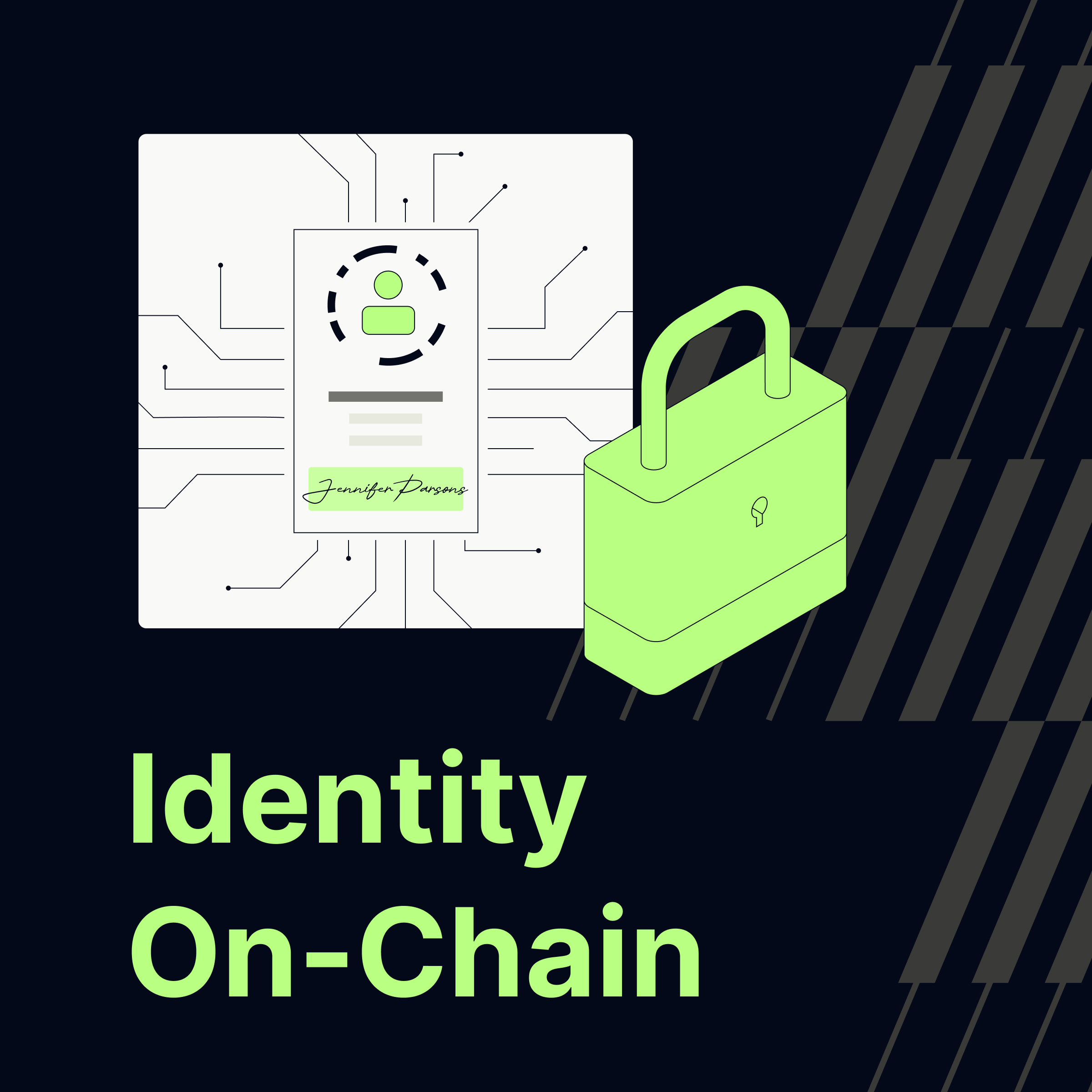
Use zero-knowledge proofs to verify subscription status without exposing sensitive user data. This maintains privacy while allowing the smart contract to confirm that a user has paid, preventing unauthorized access to premium features.

Optimize your smart contracts to minimize gas costs. High verification fees can deter users. Consider layer-2 solutions or batching transactions to keep the cost of proof generation below the value of the subscription service itself.
By prioritizing these steps, you protect your SaaS platform from data manipulation while maintaining the transparency that onchain systems require.
No comments yet. Be the first to share your thoughts!