Why onchain subscriptions matter for SaaS
The traditional card processing model is becoming a structural liability for B2B SaaS companies. Standard payment gateways typically charge between 2.9% and 3.5% per transaction, plus fixed per-transaction fees. For a company with recurring revenue, these costs compound across thousands of monthly billings, creating a significant drag on gross margins. Onchain subscription infrastructure offers a direct path to reduce this friction by leveraging stablecoin settlements, which often cost a fraction of a cent regardless of transaction size.
Beyond cost reduction, onchain payments solve the global accessibility problem inherent in traditional banking rails. Cross-border B2B payments often face delays, currency conversion fees, and regulatory friction that can delay cash flow by days. Onchain settlements settle in minutes, 24/7, allowing SaaS providers to serve international clients without the overhead of managing multiple banking relationships or foreign exchange hedging for small recurring payments.
This shift is not merely about technology; it is a strategic move to reclaim revenue leakage. By moving subscription billing onchain, SaaS companies can redirect the 2-3% previously lost to intermediaries back into product development or customer acquisition. The result is a more efficient unit economics model that scales better with international growth.
Comparing rails for B2B recurring payments
Choosing the right infrastructure for onchain subscriptions is less about finding the "fastest" chain and more about aligning settlement layers with your specific compliance and user experience requirements. Unlike traditional fiat gateways, onchain recurring payments involve distinct trade-offs between direct smart contract execution, account abstraction relayers, and traditional off-ramp integrations. The "best" stack depends entirely on whether you prioritize user simplicity, developer control, or regulatory adherence.
We can break down the current landscape into three primary technical approaches. Each offers a different balance of friction, cost, and complexity.
1. Direct Smart Contract Recurring Payments
This approach involves deploying a custom or standardized smart contract that holds the customer's authorization and automatically executes withdrawals at set intervals. It is the most "true" onchain method, as it operates entirely within the blockchain ecosystem without relying on centralized intermediaries for the recurring logic.
Pros: Full transparency; no intermediary risk; customizable logic. Cons: High user friction (requires wallet management, gas payments, and explicit transaction signing for each cycle or a complex allowance setup); Best for: Crypto-native B2B SaaS where users already hold wallets and stablecoins.
2. Account Abstraction (ERC-4337) Relayers
Account abstraction allows for sponsored transactions and batched operations. Providers using ERC-4337 can abstract away gas fees and simplify the subscription flow by allowing users to pay with any ERC-20 token while the relayer handles the underlying eth transactions. This significantly improves the user experience compared to direct smart contracts.
Pros: Better UX (gas sponsorship, batched transactions); supports a wider range of payment tokens. Cons: Higher technical complexity to implement securely; reliance on third-party bundler/relayer networks. Best for: B2C or hybrid B2B SaaS aiming to onboard non-crypto-native users.
3. Hybrid Off-Chain Billing with Onchain Settlement
This model uses traditional payment processors (like Stripe or specialized crypto billing APIs) to handle the recurring billing logic, retries, and customer support, while settling the final revenue onchain. This is not "pure" onchain but is currently the most viable path for mainstream B2B adoption due to existing compliance frameworks.
Pros: Lowest friction for customers; robust retry logic and customer support infrastructure; familiar UX. Cons: Less transparency; reliance on centralized entities for billing logic; potential regulatory scrutiny on the off-chain component. Best for: B2B SaaS companies prioritizing rapid market entry and compliance over decentralization.
Infrastructure Comparison
The table below compares key infrastructure providers across critical dimensions for B2B recurring payments. Note that "Settlement Speed" refers to the finality of the recurring transaction, and "Compliance" indicates built-in KYC/AML or reporting features.
| Provider Type | Core Model | Settlement Speed | Compliance Features | User Friction |
|---|---|---|---|---|
| Direct Smart Contract | Onchain-native | Chain-dependent (1-60s) | None (user responsibility) | High |
| ERC-4337 Relayer | Onchain-native | Chain-dependent (1-60s) | None (user responsibility) | Medium |
| Hybrid Processor (e.g., Stripe Crypto) | Off-chain billing, Onchain settlement | Near-instant (off-chain) / Variable (onchain) | Built-in KYC/AML | Low |
| Specialized Crypto Billing (e.g., 0xProcessing) | Hybrid/Onchain | Near-instant | Varies by provider | Low-Medium |
Market Context
The volatility of underlying crypto assets can impact the reliability of recurring payments if not hedged. For context, here is the current market status of the primary stablecoin used in these transactions, USDT, which serves as a benchmark for liquidity and stability in the B2B onchain payments sector.
When selecting your stack, prioritize the user's ability to pay without friction. For B2B, this often means supporting corporate cards or bank transfers that settle onchain, rather than forcing customers to manage crypto wallets directly. Always verify the compliance posture of your chosen provider, especially if you operate in regulated jurisdictions.
AI Agents and the Billing Bottleneck
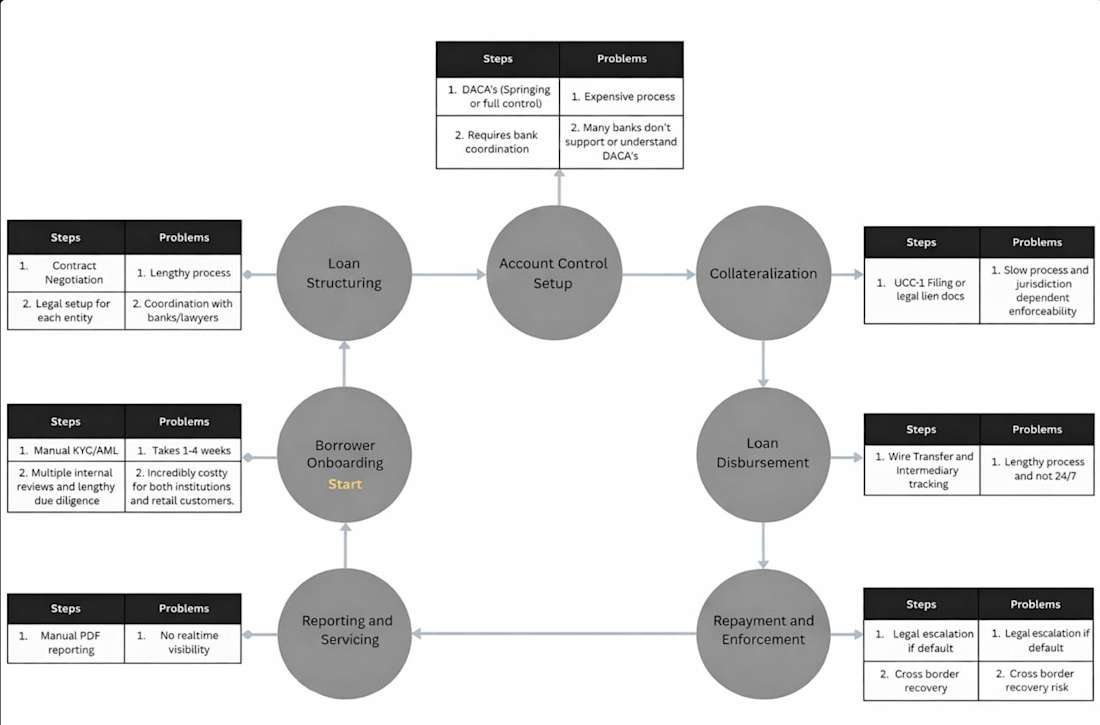
The convergence of artificial intelligence and blockchain infrastructure is no longer a theoretical future; it is a current market driver. As AI agents become capable of autonomous execution, the need for automated, onchain billing mechanisms has shifted from a convenience to a structural necessity. Traditional payment rails cannot handle the micro-transactions and high-frequency settlements required by agentic workflows, creating a distinct demand for specialized onchain subscription SaaS infrastructure.
This shift is redefining how value flows in the crypto economy. AI agents require reliable, programmable payment channels to operate at scale. They need to pay for data, compute, and other agents without human intervention. This creates a direct link between AI adoption and the growth of onchain billing solutions. The market is responding to this need, with infrastructure providers building tools that allow developers to embed subscription models directly into their applications.
The visual representation of this trend is clear in the broader crypto market data. The performance of infrastructure tokens often correlates with the development activity of AI-related projects. As more agents come online, the demand for the underlying billing infrastructure increases, driving volume and interest in this specific sector. This is not just about speculation; it is about the functional requirements of a new type of digital economy.
The market for onchain subscription SaaS is growing because it solves a critical friction point. Without automated billing, AI agents cannot sustain long-term operations or access premium resources. This creates a feedback loop where better infrastructure enables more capable agents, which in turn drives demand for more sophisticated billing solutions. The companies that build this infrastructure are positioning themselves at the center of this emerging market.
The following chart illustrates the recent performance of relevant infrastructure tokens, reflecting the market's response to these technological shifts.
Compliance and risk management steps
Running an onchain subscription SaaS isn't just about writing smart contracts; it's about navigating a fragmented legal landscape. High-stakes B2B crypto subscriptions attract scrutiny from regulators who view recurring token flows as potential securities or money transmission activities. To protect your infrastructure and your customers, you need a compliance framework that matches the permanence of the blockchain.
Your first step is determining where your service legally operates. Unlike traditional SaaS, onchain transactions are borderless, but your legal entity is not. You must identify which jurisdictions apply to your users and your infrastructure. This involves analyzing local securities laws to ensure your subscription tokens aren't classified as unregistered investment contracts. Consult legal counsel to define your "nexus" and establish clear terms of service that limit liability across borders.

Recurring payments trigger higher compliance thresholds than one-off transactions. You must implement Know Your Customer (KYC) and Anti-Money Laundering (AML) checks at the point of subscription renewal. This means verifying user identities not just at sign-up, but periodically or when transaction volumes spike. Use onchain analytics tools to screen wallet addresses against sanctions lists (like OFAC) before processing any subscription fee. Failure to do so can result in your platform being flagged as a money laundering conduit.
Your subscription logic lives in code, and code is law until it isn't. Before any mainnet deployment, have your smart contracts audited by reputable firms. The audit should specifically target the recurring payment logic, access controls, and pause mechanisms. Ensure the audit report is public or available to enterprise clients to build trust. Treat the audit as a living document; if you update the subscription model, you need a new audit or at least a targeted review of the changed functions.

In the event of a detected exploit or regulatory freeze order, you need the ability to halt subscriptions. Build a multi-sig governance structure that allows authorized administrators to pause contract functions. This "circuit breaker" should be transparently documented in your whitepaper or terms of service. Without this, a single vulnerability could drain user funds, leading to irreversible reputational damage and potential legal action for negligence.

Regulators scrutinize hidden fees. Clearly disclose all gas costs, platform fees, and token conversion rates in your subscription interface. Ambiguity in pricing can be interpreted as deceptive trade practices. Use stablecoins or fiat-pegged tokens for subscriptions to reduce volatility risk for B2B clients, and clearly state how exchange rate fluctuations are handled. This transparency reduces chargeback risks and builds long-term trust with enterprise buyers.
| Component | Purpose | Risk if Missing |
|---|---|---|
| KYC/AML | Verify user identity and screen sanctions | Regulatory fines and platform shutdown |
| Smart Contract Audit | Identify code vulnerabilities before launch | Fund loss and irreversible exploits |
| Pause Mechanism | Halt transactions during security incidents | Uncontrolled damage and liability |
| Fee Disclosure | Ensure transparent pricing for clients | Deceptive trade practice claims |
Compliance is not a one-time checkbox; it is an ongoing operational requirement. As regulations evolve, your onchain subscription infrastructure must adapt. Prioritize these steps to build a resilient foundation that can withstand both technical and legal pressures.
No comments yet. Be the first to share your thoughts!