Defining onchain subscription SaaS infrastructure
Onchain subscription SaaS infrastructure replaces traditional payment gateways with smart contract-based recurring billing, enabling automated, trustless, and programmable revenue streams for AI agents and SaaS platforms.
To understand why this shift matters, it helps to look at how billing works today versus how it works on-chain. Traditional offchain billing relies on centralized intermediaries like Stripe or PayPal. These systems process transactions in their private databases, keeping users and merchants in a black box. You pay fees, you wait for settlement, and you trust the platform to handle disputes and retries. It’s efficient, but it’s also fragile. If the gateway goes down, or if they freeze your account, your revenue stops.
Onchain subscription infrastructure flips this model. Instead of a middleman holding your money, the logic lives in a smart contract. When a user subscribes to an AI service, for example, they authorize a recurring token transfer or a subscription token that grants access. The contract automatically checks if the payment is due, renews access, and distributes funds to the developer’s wallet. There is no customer support team to call when a payment fails; the code either executes or it doesn’t.
This isn’t just about avoiding fees. It’s about programmability. With onchain subscriptions, you can build complex revenue models that were impossible before. Think of an AI agent that pays its own API costs by burning tokens from its own wallet, or a SaaS platform that offers fractional access based on token balance. The infrastructure handles the logic, not a spreadsheet.
Of course, there are tradeoffs. Onchain transactions are slower and often more expensive than offchain ones, especially under heavy network load. Stripe notes that this latency and cost difference means onchain billing isn’t a drop-in replacement for every use case. It shines where trustlessness and automation are more valuable than instant settlement. For AI-native businesses, where agents operate autonomously and globally, that value proposition is hard to ignore.
The result is a new category of SaaS. It’s not just software that accepts crypto payments. It’s software where the payment is the product. The infrastructure handles the recurring nature of the subscription, ensuring that access is granted or revoked based on real-time onchain data. This creates a seamless, automated loop between value delivery and revenue collection.
For developers and founders, this means less time managing billing systems and more time building features. The complexity of recurring payments, currency conversion, and compliance is abstracted away into the protocol layer. You focus on the AI model. The infrastructure handles the money.
As the market matures, we’ll see more specialized tools emerge. Some will focus on stablecoin subscriptions for predictable revenue. Others will explore dynamic pricing based on token volatility. The key is to start with the right infrastructure for your needs. If your users are global, autonomous, and tech-savvy, onchain subscription SaaS infrastructure might be the foundation your business needs to scale.
Comparing rails for recurring crypto payments
Choosing the right infrastructure depends on what you value most: simplicity, user experience, or control. For onchain subscription SaaS, three primary rails dominate the landscape. Each serves a different founder profile, from solo developers wanting zero friction to teams building complex token-gated communities.
The first option is stablecoin payments. This is the closest crypto equivalent to Stripe. Users pay with USDC or USDT, and you receive fiat-equivalent value. It is the easiest path for mainstream adoption because users do not need to manage volatile assets. However, it still requires you to handle compliance, chargeback disputes, and wallet security if you are self-custodial.
The second option is token-gating. Here, access to your SaaS is tied to holding a specific NFT or token. This creates a built-in community and aligns incentives but can be a barrier to entry for non-crypto natives. It is ideal for exclusive tools or DAO-governed products where ownership equals access.
The third option is wallet-as-a-service (WaaS). This allows you to embed wallet creation directly into your app. It offers the best user experience for crypto natives by abstracting seed phrases and gas fees. However, it requires significant engineering effort to implement securely.
To help you decide, here is a direct comparison of these three approaches across key operational metrics.
The choice often comes down to your user base. If your customers are already in crypto, WaaS provides the smoothest experience by removing the friction of external wallets. If you are targeting traditional B2B buyers, stablecoin payments via a provider like Dfns offer the familiarity of credit card processing with the speed of blockchain. Token-gating remains a niche but powerful tool for building loyalty and exclusive access.
AI agents and no-touch SaaS payments
The traditional SaaS payment model relies on friction: a user clicks "subscribe," enters card details, and waits for confirmation. AI agents are removing that friction entirely. Instead of humans managing recurring billing cycles, autonomous software agents negotiate, purchase, and renew subscriptions on behalf of their users. This shift transforms payments from a manual administrative task into an automated, continuous data stream.
Onchain infrastructure provides the ideal settlement layer for this automation. Smart contracts enable "no-touch" transactions where access to software is granted instantly upon payment verification, without the need for manual invoicing or reconciliation. This reduces churn caused by expired cards and eliminates the administrative overhead of managing subscription lifecycles.
For developers, this means building APIs that speak to other software, not just human users. The value proposition shifts from selling software licenses to selling reliable, automated outcomes. Companies that integrate these agent-friendly payment rails early will capture a growing market of autonomous businesses that operate 24/7 without human intervention.
The onchain migration is reshaping SaaS infrastructure
The financial infrastructure layer of the internet is shifting. As Pantera Capital notes in their analysis of "The Great Onchain Migration," we are seeing a structural move where capital markets and fintech playbooks are migrating to blockchain networks. This isn't just about speculation; it is about the underlying rails becoming programmable, transparent, and accessible globally without traditional banking intermediaries.
For SaaS providers, this shift creates a new category of infrastructure. Instead of relying solely on legacy payment processors, developers can integrate onchain settlement layers that offer instant finality and lower friction for cross-border transactions. This transition allows SaaS platforms to offer features like real-time revenue sharing, automated compliance, and global customer bases without the overhead of traditional banking partnerships.
The data supports this structural change. Onchain transaction volumes, particularly in stablecoins which serve as the primary settlement layer for digital commerce, have shown consistent growth. This volume represents real economic activity—subscriptions, payments, and settlements—moving onchain.
This growth in onchain settlement volume signals a maturing ecosystem. Developers are no longer building experimental apps; they are building serious financial tools that compete with traditional SaaS offerings. The opportunity lies in leveraging these onchain rails to build more efficient, transparent, and globally accessible subscription models.
As the infrastructure matures, the distinction between "onchain" and "offchain" SaaS will blur. The most successful providers will be those who seamlessly integrate onchain capabilities where they add value—such as global accessibility and automated settlement—while keeping the user experience familiar and intuitive. The migration is not a trend; it is the new baseline for financial infrastructure.
Building your onchain subscription stack
Setting up onchain subscription SaaS infrastructure requires a blend of traditional SaaS reliability and blockchain-specific security. You are essentially building a recurring billing system that settles in crypto, which introduces unique risks around wallet security, smart contract auditing, and regulatory compliance.
Start by selecting your payment rails. You need a way to accept recurring payments in stablecoins or native tokens. Platforms like Dfns provide the wallet infrastructure to manage keys safely, while tokenization platforms like Securitize can help if you are dealing with more complex asset structures. Choose rails that support automated recurring logic without exposing your private keys to your application servers.
Next, integrate wallet connectivity. Your users need to connect their wallets (like MetaMask or WalletConnect) to authorize subscriptions. Ensure this flow is smooth; friction here kills conversion. Use standard protocols like ERC-4337 (Account Abstraction) if you want to offer social login or gasless transactions, making the experience feel like a traditional web app.
Finally, implement smart contracts and testing. Your subscription logic—who pays, when, and what they get—should live in audited smart contracts. Never skip formal verification. Test extensively on testnets before mainnet launch. Compliance is also critical; ensure your tokenomics and user verification (KYC/AML) processes meet the regulations of your target markets.
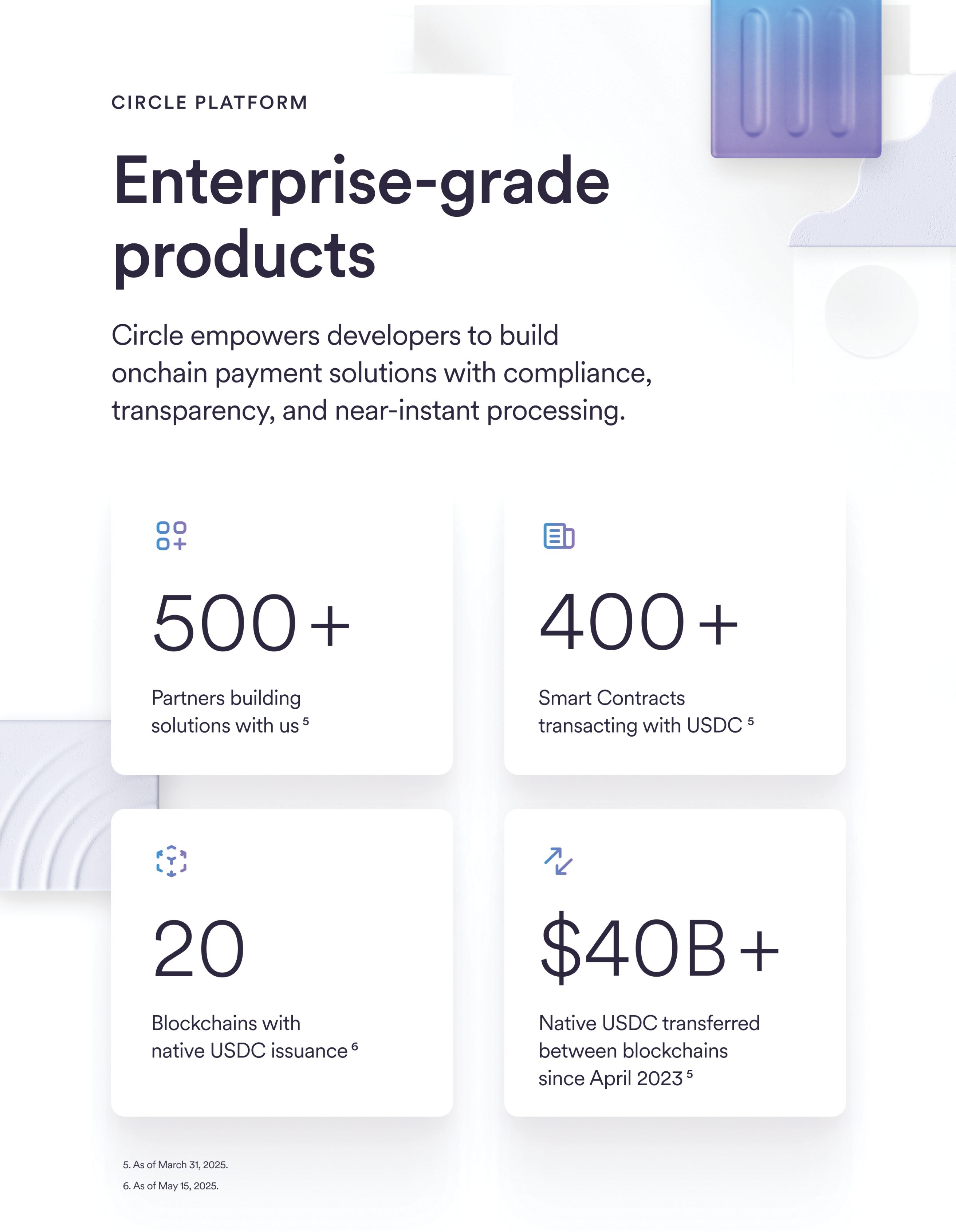
Choose a wallet provider like Dfns for secure key management and a payment processor that supports recurring crypto transactions. Ensure the provider offers multi-sig capabilities and institutional-grade security to protect user funds.
Implement wallet connection flows using WalletConnect or account abstraction. Allow users to subscribe using familiar web2 login methods if possible, reducing friction and making the onboarding process seamless for non-crypto natives.

Write smart contracts that handle subscription logic, such as recurring payments and access control. Have these contracts professionally audited to prevent vulnerabilities. Use established standards like ERC-20 or ERC-721 for tokenized access.

Run comprehensive tests on Sepolia or other testnets. Simulate real-world scenarios like failed payments, user churn, and contract upgrades. Ensure your backend can handle event logs from the blockchain to update user status in your database.
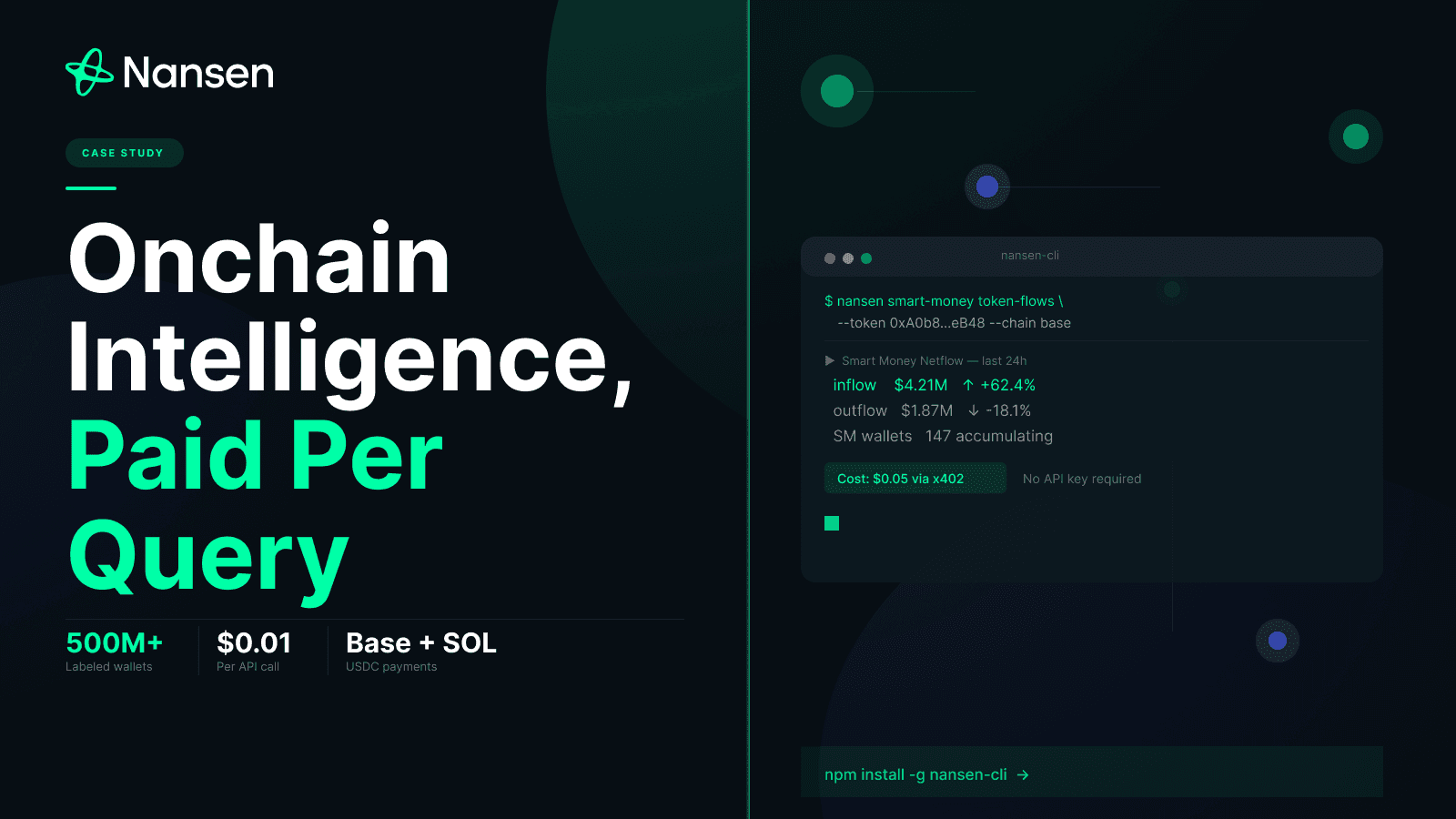
Before mainnet launch, ensure KYC/AML compliance is integrated if required by your jurisdiction. Set up monitoring tools to track subscription health and detect anomalies. Use a platform like Securitize for any tokenization aspects to ensure regulatory adherence.
No comments yet. Be the first to share your thoughts!