Why onchain subscriptions matter for AI
The traditional SaaS model relies on a fragile handshake between a billing platform and a user’s identity. For AI agents, this friction is a bottleneck. Agents don’t have credit cards; they have wallets. To scale, subscription logic must move from centralized databases to programmable smart contracts that execute automatically.
Onchain subscription SaaS strategy isn’t just about accepting crypto. It’s about creating a system where access control is immutable and instant. When a payment clears, the smart contract updates the user’s permissions in real-time. There is no manual review, no failed webhook, and no delay. This automation is essential for AI agents that operate 24/7 without human intervention.
The shift is already visible in payment infrastructure. Stripe and other major providers are integrating on-chain capabilities to simplify these flows, reducing the technical debt of building custom payment rails. For founders, this means your AI service can scale globally without worrying about cross-border banking delays or currency conversion errors.
Token-gated access tiers
Token-gated access tiers represent a direct application of onchain subscription saas strategy. Instead of managing complex user databases and password resets, your platform verifies ownership of specific tokens or NFTs to grant immediate access. This model shifts the burden of identity verification from your infrastructure to the blockchain, creating a frictionless entry point for users who already hold your digital assets.
The mechanics are straightforward. You define smart contract rules that map token balances or NFT holdings to specific service levels. For example, holding one "Pro" tier NFT might unlock unlimited API calls, while a "Basic" tier NFT grants limited access. This approach is particularly effective for AI services, where compute costs can scale rapidly. By tying access to asset ownership, you align user incentives with the health of your token economy.
This model reduces churn and increases stickiness. Users who invest in your ecosystem’s native tokens are less likely to abandon your service, as their access is tied to their holdings. It also simplifies billing. There are no monthly invoices or payment gateway failures to manage. The subscription is implicit in the wallet state. For founders, this means lower operational overhead and a clearer path to sustainable revenue.
Model 2: Usage-based micro-payments
Usage-based billing shifts the risk from the customer to the provider, but onchain infrastructure flips that dynamic. Instead of a flat monthly fee, you charge for exactly what the AI agent consumes—whether that is per-token generated, per-compute unit executed, or per API call made. This model aligns incentives perfectly: the customer only pays for value received, and you are rewarded for efficiency and uptime.
The technical advantage here is granularity. Traditional Stripe invoices cannot easily handle micro-transactions for an AI agent making thousands of calls per second. Onchain, stablecoins like USDC or USDT allow for atomic, near-instant settlements with negligible fees. An agent can pay for a single inference, and the smart contract immediately releases the result. This enables "pay-as-you-go" pricing that feels like a utility bill rather than a software subscription.
This approach is particularly effective for B2B AI SaaS where usage fluctuates wildly. A developer might run a batch job once a month, while another might stream real-time data continuously. By tracking onchain activity or using a verified oracle to report compute units, you create a transparent billing layer. Customers trust the system because the ledger is immutable, and you avoid the friction of monthly contract renewals for variable workloads.
The key to making this work is reducing friction for the payer. Your SaaS platform should handle the abstraction, allowing users to deposit stablecoins once and letting the backend deduct costs automatically. This preserves the speed of onchain payments while keeping the user experience familiar. It is a robust onchain subscription saas strategy that scales with your customers' actual demand, not their predicted growth.
Recurring crypto invoices
For B2B SaaS, the friction of chasing monthly payments often outweighs the complexity of blockchain integration. Recurring crypto invoices solve this by treating annual or quarterly contracts as single, large onchain transactions. Instead of managing recurring subscription fees with Stripe or similar fiat processors, you issue one invoice that covers the entire term. This approach aligns perfectly with how enterprise budgets are typically allocated and approved.
This model shifts the burden of payment collection from the vendor to the buyer’s treasury operations. A B2B team can execute a single transaction for a $12,000 annual contract, eliminating the need for auto-charge management or failed payment retries. It is particularly effective for high-value contracts where the transaction fee percentage is negligible compared to the total value. The clarity of a single onchain receipt also simplifies accounting and audit trails for both parties.
While monthly micro-transactions remain viable for consumer SaaS, B2B entities often prefer the efficiency of fewer, larger settlements. This reduces the number of blockchain interactions required per year, lowering gas costs and administrative overhead. As noted in recent B2B payment guides, annual SaaS contracts pair naturally with crypto because they require a single transaction rather than recurring auto-charges. This makes it an ideal entry point for onchain subscription SaaS strategy in the enterprise sector.
Technical infrastructure requirements
Building a reliable onchain subscription SaaS strategy requires a stack that bridges the gap between blockchain automation and traditional financial rails. You aren't just writing smart contracts; you are orchestrating a system that handles identity, access control, and fiat settlement simultaneously. The core challenge is making this infrastructure invisible to the user while keeping it secure and compliant for the founder.
At the foundation, smart contracts manage access. Instead of manual API calls to a database, your contract holds the subscription state. When a user pays, the contract updates their access token or NFT, which your application checks before granting entry. This eliminates chargeback fraud and reduces the administrative overhead of managing recurring billing manually. For fiat on-ramps, you need payment gateways that support crypto settlement, such as Stripe’s on-chain solutions, which allow you to accept stablecoins while settling in your local currency. This hybrid approach lets you offer the speed of blockchain without forcing users to navigate complex crypto wallets for every transaction.
Oracle integration is the final critical piece. Smart contracts are isolated; they cannot natively pull external data like current exchange rates or off-chain user events. Oracles bridge this gap, feeding real-time price data to your contracts to ensure stablecoin conversions are accurate. Without this, your subscription pricing could drift or become exploitable. Combining these elements creates a robust backend that scales with your user base.
To understand the operational impact of this stack, compare traditional SaaS billing with onchain alternatives. The differences in latency and automation capabilities are significant.
| Feature | Traditional SaaS Billing | Onchain SaaS Billing | Strategic Impact |
|---|---|---|---|
| Payment Latency | 2-5 business days for settlement | Seconds to minutes | Faster cash flow visibility |
| Automation Level | Partial (requires middleware for reconciliation) | Full (smart contract execution) | Reduced operational overhead |
| Chargeback Risk | High (requires dispute management) | Low (irreversible transactions) | Lower fraud losses |
| Global Reach | Restricted by banking corridors | Borderless by design | Access to untapped markets |
| Transparency | Opaque internal ledgers | Publicly verifiable on-chain | Increased user trust |
While the technical overhead is higher initially, the long-term benefits of reduced friction and automated compliance make this infrastructure essential for any serious onchain subscription SaaS strategy. Start with a minimal viable stack: a simple access-control contract, a reliable oracle for pricing, and a gateway that handles the fiat conversion. You can expand into more complex governance or tokenomics as your user base grows.
Compliance and risk management
Building an onchain subscription saas strategy isn't just about coding smart contracts; it's about navigating a minefield of financial regulations. Unlike traditional SaaS, where you handle credit cards through established processors, onchain payments put you directly in the line of fire for KYC (Know Your Customer) and AML (Anti-Money Laundering) requirements.
Regulatory landscapes vary wildly by jurisdiction. What works in Singapore might get you shut down in the EU or the US. You need to understand the specific rules around token classification, data privacy (like GDPR), and cross-border payment reporting. Ignoring these nuances isn't just a legal risk; it's a business-ending one.
Tax implications are another layer of complexity. Every subscription renewal, refund, or upgrade can trigger a taxable event depending on how your jurisdiction treats crypto assets. You'll need robust accounting practices that track the fiat value of transactions at the exact moment they occur.
Don't try to interpret these laws yourself. Engage legal counsel specializing in fintech and blockchain early in your development cycle. They can help you structure your subscription model to minimize liability and ensure you're compliant from day one. This isn't a cost; it's insurance for your entire business model.
Market trends and future outlook
Onchain subscription SaaS strategy is shifting from experimental to essential. As of 2024, subscription models remain the dominant revenue stream for B2B SaaS providers, accounting for roughly 40% of the market [[src-serp-1]]. This legacy dominance is now meeting a new reality: the rise of autonomous AI agents that need to transact without human wallets.
The integration of AI into SaaS workflows is creating a natural demand for onchain billing. Unlike human users, AI agents operate at machine speed and require micro-transactions that traditional payment rails cannot support efficiently. Onchain subscriptions offer the necessary infrastructure for these agents to pay for API calls, data access, and compute resources in real-time.
Looking ahead to 2026, the convergence of these two forces will likely redefine how we think about software access. Instead of monthly flat fees, we may see dynamic, usage-based onchain subscription tiers that adjust automatically based on AI agent activity. This shift promises to unlock new efficiencies for developers and founders who build the next generation of automated services.
Launch Checklist for Your Onchain Subscription SaaS Strategy
Before you go live, verify your infrastructure handles the unique friction points of crypto billing. A robust onchain subscription saas strategy requires more than just a smart contract; it needs a resilient payment rail and clear user expectations.
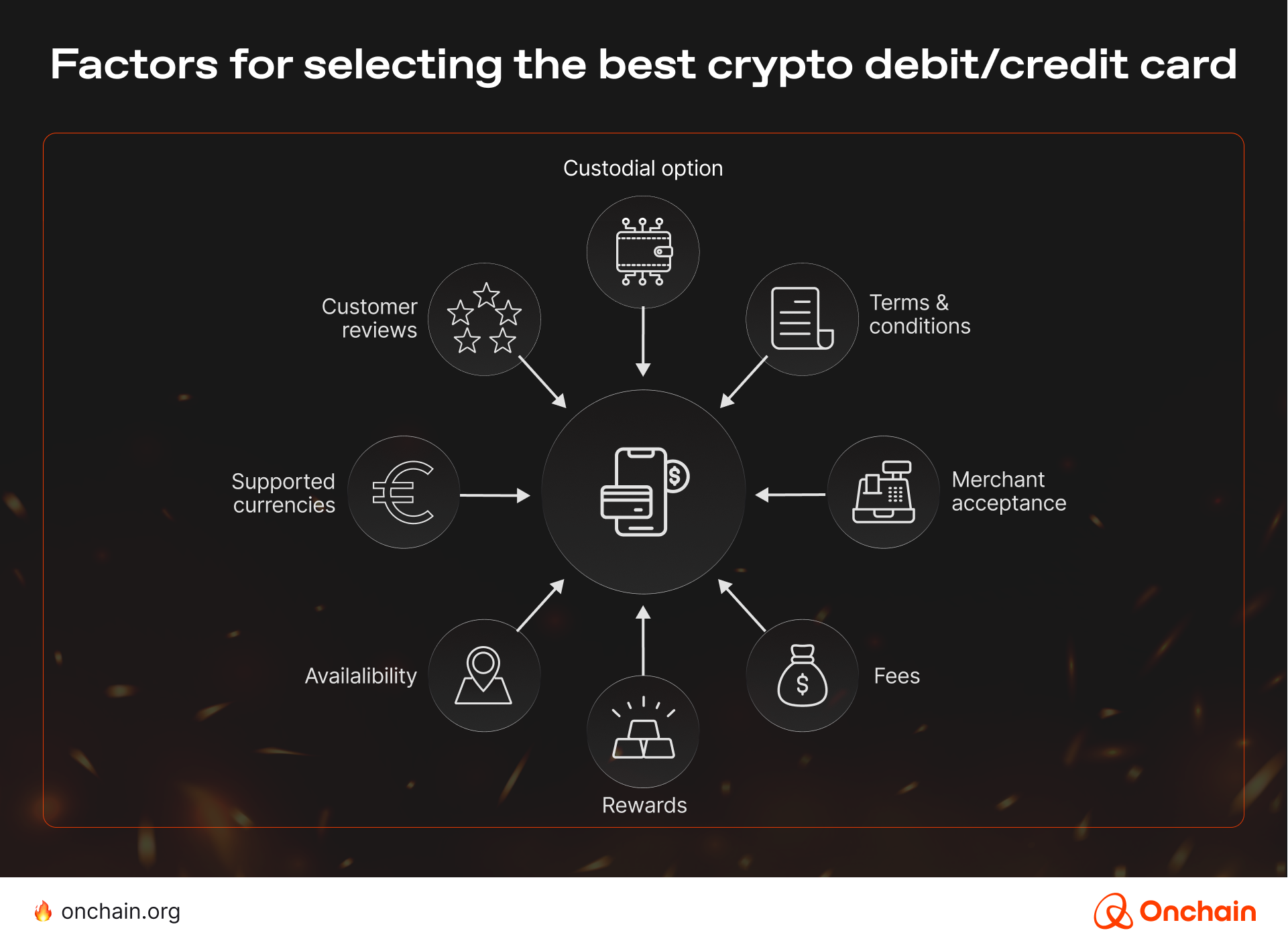
Choose your pricing model—whether tiered, usage-based, or freemium—and encode the renewal intervals directly into your smart contract or off-chain orchestrator. Ensure the logic handles prorations and grace periods to reduce churn.
Connect to a reliable payment processor like Stripe or 0xProcessing to handle recurring crypto payments. This abstraction layer manages retries, invoicing, and compliance, allowing you to focus on product development rather than transaction failure modes.
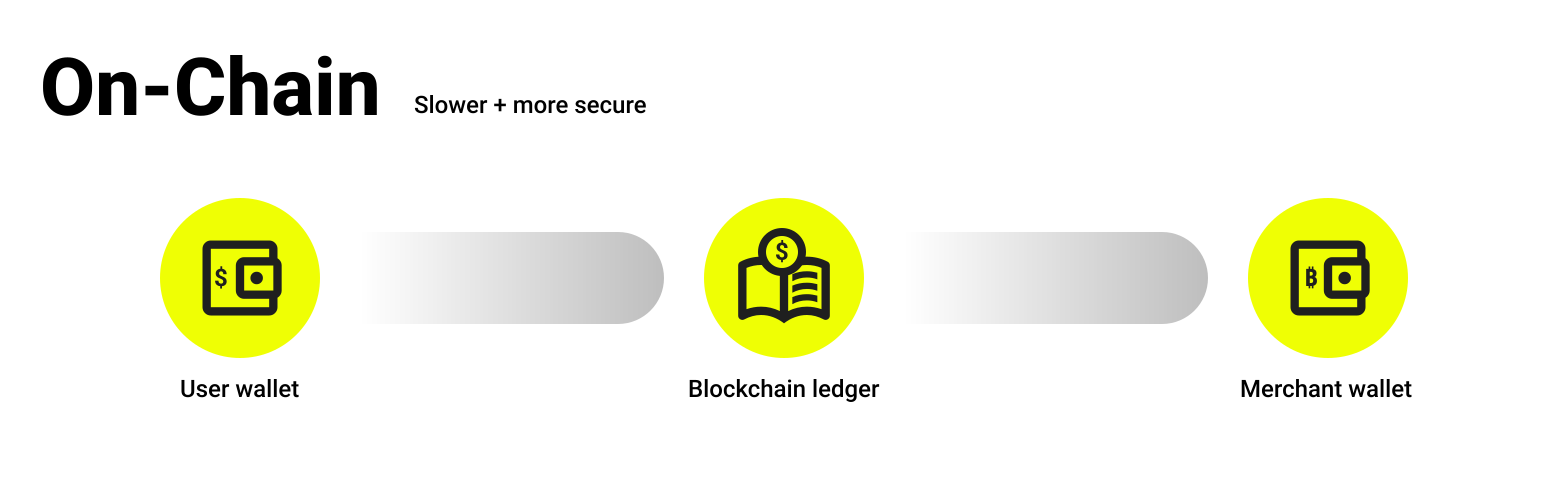
Simulate failed transactions and network congestion. Verify that your system correctly notifies users of pending renewals and that wallet signatures are securely stored for automated billing cycles without compromising private keys.
Ensure your subscription terms clearly state that users are responsible for maintaining sufficient gas fees and wallet balances. Ambiguity here leads to support tickets and lost revenue.
No comments yet. Be the first to share your thoughts!