The onchain subscription SaaS strategy shift
Traditional SaaS operates on a simple premise: you pay for access. You subscribe to a platform, and in return, the vendor controls the roadmap, sets the pricing, and holds your data. This model has worked for decades, but it creates a rigid, one-sided relationship where the user is essentially a renter in their own digital workflow. The onchain subscription SaaS strategy flips this dynamic by replacing static access with programmable economic rights.
This shift is not just about using blockchain for payments; it is about redefining what a subscription actually is. Instead of a recurring fee that disappears into a vendor’s revenue stream, onchain subscriptions can be structured as smart contracts that distribute value transparently. Users gain ownership over their economic participation, allowing for more flexible, user-owned models that align incentives between creators and consumers. As noted in recent industry analysis, this transition moves software from a service you consume to an asset you help govern and benefit from LinkedIn.
For founders and investors, this represents a fundamental change in market structure. The barrier to entry lowers because distribution can be tokenized, and the potential for viral growth increases as users become stakeholders. However, this model requires a new kind of infrastructure—one that handles compliance, identity, and complex economic logic without sacrificing the ease of use that traditional SaaS users expect.
The implications for market valuation are significant. When users own a piece of the platform’s success, retention metrics change. Churn becomes less about dissatisfaction and more about strategic reallocation of capital. This creates a sticky, engaged community that is financially motivated to keep the platform thriving, fundamentally altering the unit economics of software-as-a-service.
Core infrastructure for onchain payments
Building a sustainable onchain subscription SaaS strategy requires a technical stack that bridges the gap between traditional recurring billing and decentralized finance. Unlike one-time crypto transactions, subscriptions demand reliability, idempotency, and seamless user experience. The infrastructure must handle the volatility of digital assets while providing the predictability that enterprise clients expect.
Stablecoins and Smart Contract Automation
At the foundation of any recurring payment system are stablecoins. They provide the price stability necessary for SaaS pricing models, avoiding the daily volatility of assets like Bitcoin or Ethereum. However, stablecoins alone are not enough; you need smart contracts to automate the logic of recurring payments. These contracts can trigger billing cycles, manage subscription tiers, and handle prorations automatically. This reduces the operational overhead of manual invoicing and reduces the risk of failed payments due to human error.
Payment Gateways and Wallet Integration
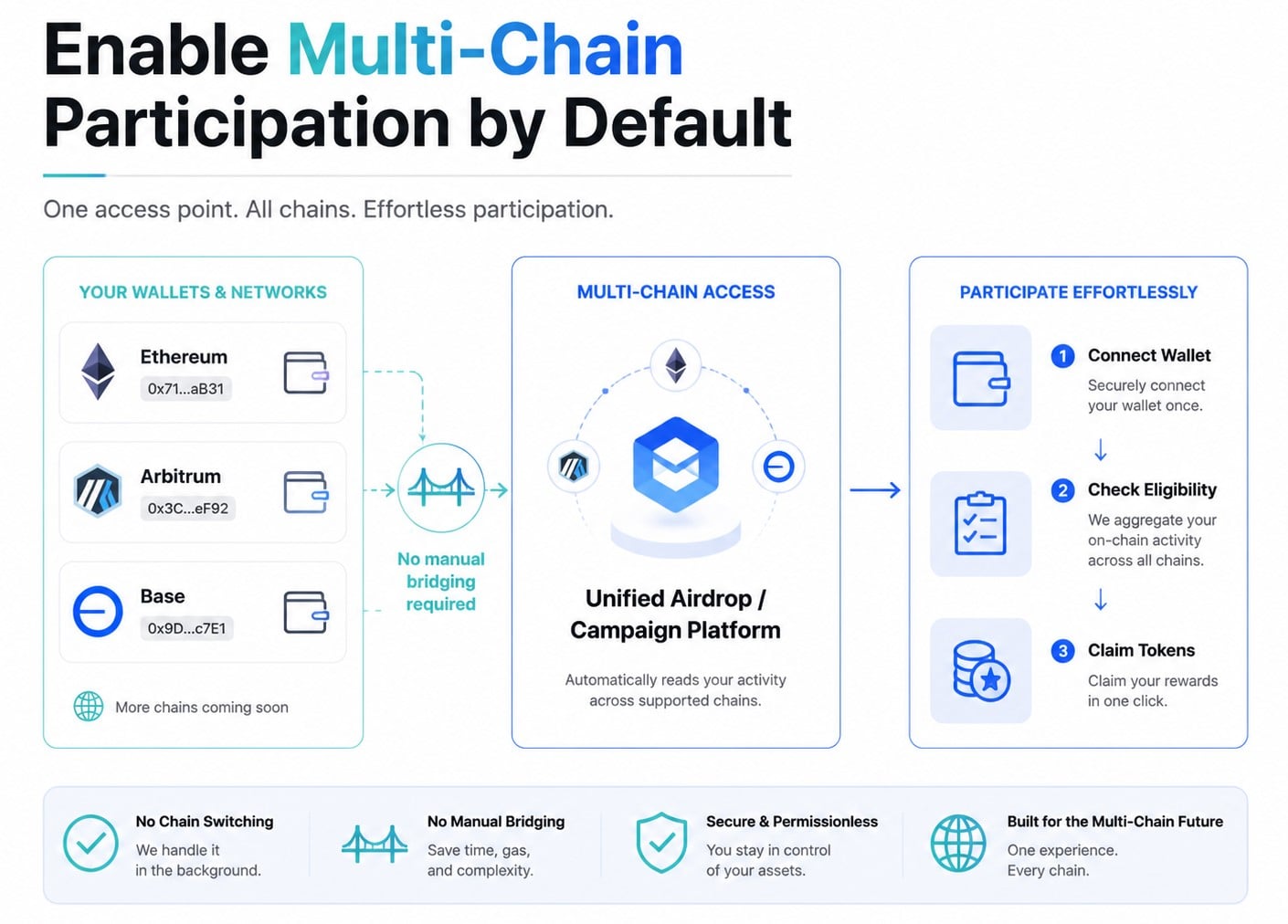
For most SaaS businesses, interacting directly with the blockchain is too complex for the average user. This is where payment gateways come in. They abstract away the complexity of wallet connections, gas fees, and transaction confirmations. A robust gateway integrates with major wallets and provides a familiar checkout experience. It handles the conversion of crypto to fiat if necessary, ensuring that your business revenue remains stable. Look for providers that support multiple chains and offer robust API documentation for seamless integration into your existing SaaS platform.
Technical Flow and Reliability
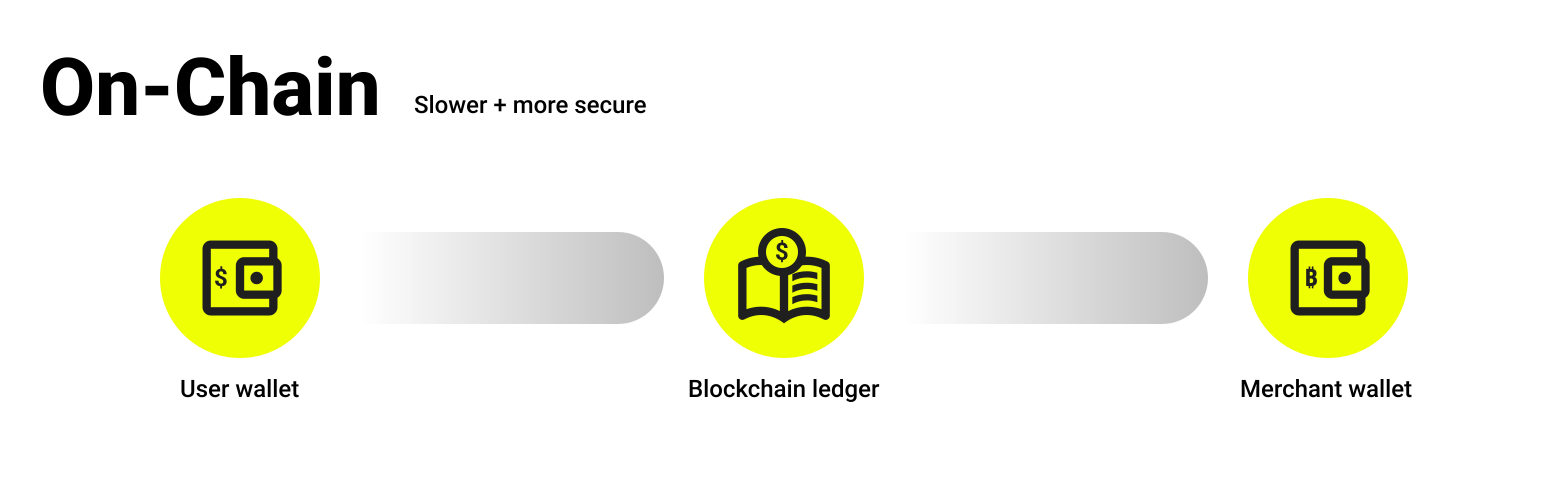
The technical flow of an onchain subscription transaction involves several steps: user authentication, smart contract interaction, transaction signing, and on-chain confirmation. Each step must be optimized for speed and reliability. Delays in confirmation can lead to user frustration and churn. Therefore, the infrastructure must support fast finality chains or layer-2 solutions that offer near-instant confirmation times. Additionally, the system must have mechanisms to handle failed transactions gracefully, such as automatic retries or clear error messages for the user.
How AI-native apps are shifting SaaS revenue models
The traditional SaaS subscription model is hitting a ceiling. According to FTI Consulting, subscription-based pricing still dominates, with 40% of B2B SaaS providers relying on it. However, the rise of AI-native applications is forcing a pivot toward usage-based and "no-touch" revenue models. These new structures align costs directly with value delivered, rather than locking users into static monthly fees.
Galaxy’s research on No-Touch SaaS highlights a critical economic shift: API-driven payments replace the friction of manual billing. In an AI world, agents consume resources autonomously. Charging $15 a month makes little sense when an AI agent might process 10,000 tokens in a minute. This dynamic creates a forcing function for usage-based pricing, ensuring that infrastructure costs match actual consumption.
For an onchain subscription SaaS strategy, this shift offers a clear advantage. Blockchain infrastructure naturally supports micro-transactions and automated, usage-based billing that traditional payment processors struggle to handle efficiently. By moving away from flat subscriptions, providers can capture more value from high-intensity users while lowering barriers for light users.
The table below contrasts these emerging AI-native models with legacy approaches.
| Model | Billing Trigger | AI Agent Fit | User Friction |
|---|---|---|---|
| Traditional Subscription | Monthly/Annual Fee | Poor | High |
| Usage-Based SaaS | Per Token/API Call | Strong | Low |
| No-Touch SaaS | Automated API Payment | Essential | None |
This transition requires a rethink of how we structure onchain subscription SaaS strategy. The goal is to eliminate the gap between software value and payment timing.
Build an onchain subscription SaaS strategy
Turning a traditional SaaS model into an onchain subscription requires more than just adding a crypto wallet. You need a workflow that handles recurring billing, manages stablecoin volatility, and keeps compliance in check. This guide walks through the concrete steps to launch an onchain subscription product, from initial wallet integration to final regulatory alignment.
Start by selecting a wallet infrastructure provider that supports multi-chain transactions. Unlike traditional payment gateways, crypto wallets require gas fee management and transaction signing. Choose a provider that abstracts gas costs for your users to reduce friction, ensuring they can subscribe without needing to hold native tokens for fees.
Implement smart contracts or off-chain orchestrators to handle subscription renewals. Since blockchain transactions are not automatic, you need a reliable system to trigger payments at set intervals. Use stablecoins to minimize volatility risk for both you and your subscribers, and build retry logic for failed transactions to prevent service interruptions.
Onchain payments still fall under financial regulations in many jurisdictions. Integrate Know Your Customer (KYC) checks before allowing users to subscribe, especially if you are processing fiat on-ramps. Ensure your subscription terms clearly outline data privacy policies and how you handle user funds, keeping transparency high to build trust in a decentralized environment.
Once live, track subscription metrics like churn and failed payment rates using onchain analytics. Unlike traditional SaaS, you can see exactly when a wallet fails to pay. Use this data to adjust your billing cycles or offer incentives for early renewals, creating a more resilient revenue stream that leverages the transparency of blockchain data.



As an Amazon Associate, we may earn from qualifying purchases.
FAQ on onchain subscription models
How does an onchain subscription differ from traditional SaaS?
Traditional SaaS operates as a closed loop: you pay a recurring fee, and the platform retains full control over pricing, roadmaps, and data distribution. An onchain subscription shifts this dynamic by moving the billing layer onto a public ledger. This transparency allows for more flexible economic relationships, where users can often verify usage and access terms directly on-chain rather than relying on opaque vendor dashboards. As noted in industry analyses, this shift challenges the rigid control traditional providers have long held over their customer bases [src-serp-1].
Can onchain subscriptions support recurring payments in crypto?
Yes. Onchain subscription models leverage stablecoins and smart contracts to automate recurring billing. Instead of managing credit card expirations or failed ACH transfers, SaaS providers can set up automated on-chain payments that execute when conditions are met. This reduces friction for global users and minimizes the administrative overhead of retries and invoicing. Services like Stripe and specialized on-chain processors now offer tools to integrate these recurring crypto payments directly into SaaS workflows [src-serp-2][src-serp-4].
Why are onchain subscriptions gaining traction in SaaS strategy?
The SaaS landscape is evolving beyond static monthly fees toward more dynamic, usage-based, or "no-touch" pricing models. Onchain infrastructure supports this shift by enabling real-time, programmable billing. This allows providers to align costs more closely with actual value delivered, appealing to customers who prefer pay-as-you-go structures over locked-in annual contracts. With nearly 40% of B2B SaaS providers already using subscription models, the addition of onchain mechanics offers a competitive edge in transparency and efficiency [src-serp-3][src-serp-6].
No comments yet. Be the first to share your thoughts!